
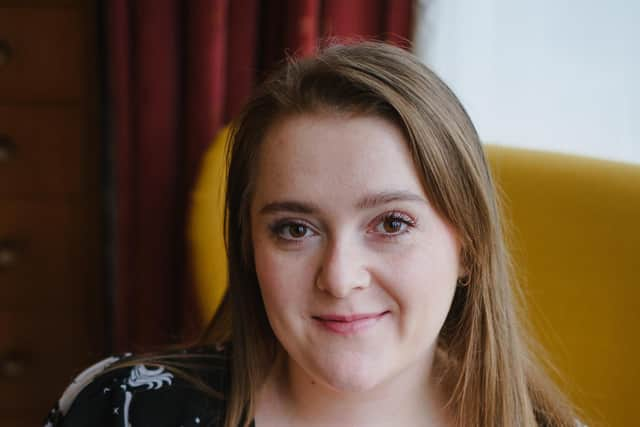
Friday night work drinks need more than a reminder to “behave”: Chloe Wallace
It’s Friday evening, and the team has finished early. There’s a table booked at the local pub, a few drinks covered by the business, and a WhatsApp message from a manager: “Come on, don’t be boring.”
By 9pm, some people have headed home. Others are several drinks in. A junior employee is being pushed to stay out, and a senior colleague is making comments they would never make in the office. Someone notices and feels uncomfortable but isn’t sure whether to intervene. Does this sound familiar?
By Monday morning, the employer may have a problem. Not because summer socials are a bad idea. Not because alcohol “causes” harassment, it doesn’t. Alcohol does not assault people. Warm weather does not harass people. Clothing does not invite misconduct. People make choices.
What alcohol, informal settings and late finishes can do is create perceived vulnerability. And perpetrators exploit vulnerability wherever they think it exists. That is the point employers need to understand.

With the Worker Protection Act now in force, employers have a duty to take reasonable steps to prevent sexual harassment at work. That includes anything connected to work: the summer party, the charity race night, the team barbecue, the awards dinner, the networking event, the drinks after an away day. It may feel informal, but it is still connected to work.
Yet the Act has been widely interpreted as: “How do we stop people having fun?” The real questions are: Where could harm happen? And what are we doing to prevent it?
A quick email telling staff to “behave” is not enough. Nor is a tired warning about drinking too much or dressing “appropriately”. Those messages often point responsibility in the wrong direction.
Employers need practical planning.
First, risk‑assess the event properly. Not as a tick‑box exercise, but as a live document. Consider the venue, timings, transport, alcohol, supervision, seniority, third parties, and whether particular groups in your workforce may be more exposed because of power dynamics.
Ask direct questions. Will alcohol be unlimited? Who is monitoring behaviour? Do managers understand their responsibilities? How will people get home? Can someone leave early without being mocked? Could clients, suppliers or senior leaders create additional pressure?
Second, be clear about expectations before the event, plainly, not in corporate jargon. Spell out that sexual comments, unwanted touching, pressure to drink, intrusive questions, repeated personal remarks and “banter” that humiliates someone are not acceptable.
Also explain what people should do if they witness it. Bystander intervention matters. Many employees freeze because they don’t know whether they’re allowed to step in. Give them simple tools: interrupt the conversation, check in with the person affected, create a reason to move them away, alert a manager, or report it afterwards.
Third, train managers to understand power. A comment from a senior person lands differently from a comment between peers. A junior employee may laugh because they feel they have to, not because they’re comfortable. Silence is not consent. Awkward laughter is not consent. Staying at the table is not consent.
Fourth, plan the aftermath before anything happens. Who will receive concerns? How will they be handled? Will employees be believed and protected from retaliation? Employers cannot claim to take harassment seriously if the reporting route is unclear or if the person raising concerns becomes “the problem”.
Finally, stop relying on victims to manage risk. It is not for women to dress differently, drink less, leave early or avoid certain colleagues. It is for employers to create a culture where perpetrators know they will be challenged.
The legal risk is real. Employers who fail to take reasonable steps face uncapped tribunal awards and compensation uplifts of up to 25 per cent.
But the human risk should matter more.
Without spoiling anyone's fun, summer socials can be good for morale, connection, and culture. But they also reveal what a workplace is willing to tolerate when the setting becomes less formal. The best employers won’t wait for complaints on Monday morning. They’ll plan properly before Friday evening.
Chloe Wallace is founder of OneSource HR