
From manufacturing to education: How Yorkshire's wealth is shifting in 2025, according to The Sunday Times Rich List

Yorkshire’s richest residents are seeing their fortunes rise - and fall - as new sectors reshape the region’s economic landscape in 2025
Yorkshire’s wealth map underwent a transformation in 2025, as The Sunday Times Rich List revealed a region where traditional sectors like manufacturing and retail continued to dominate.
However, they were increasingly joined by fortunes emerging from education, modular construction and sustainable development.
Topping the Yorkshire list that year was the Shepherd family, whose £1.35bn fortune – up £246m from 2024 – came from Portakabin, the York-based modular building firm that had seen surging demand in health and education sectors.
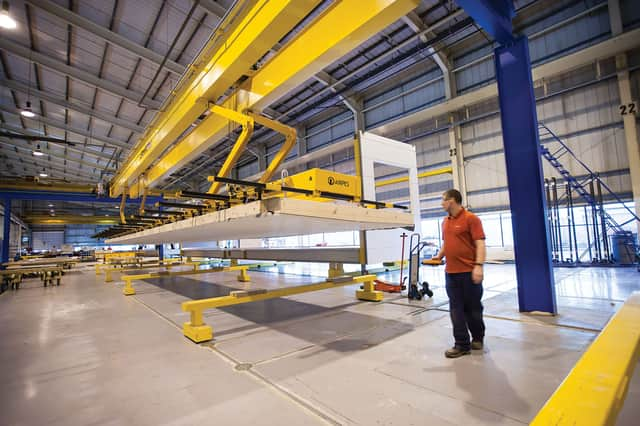

Their rise to the top highlighted how public infrastructure projects and changing workspaces were driving new forms of wealth.
Meanwhile, Lord Kirkham and family, with roots in Doncaster and a long-standing association with furniture retail via DFS, held steady in second place with £1.14bn.
A notable newcomer to the top five was Andrea Shelley, William Morrison and Eleanor Kernighan, who collectively retained £933m from the Morrisons supermarket legacy.
Though unchanged from 2024, their presence reflected stability in Yorkshire’s retail backbone during a period of wider economic recalibration.
By contrast, Malcolm Healey, whose kitchen retail empire Wren Kitchens had helped make him the richest Yorkshire resident in 2024, saw a significant drop.
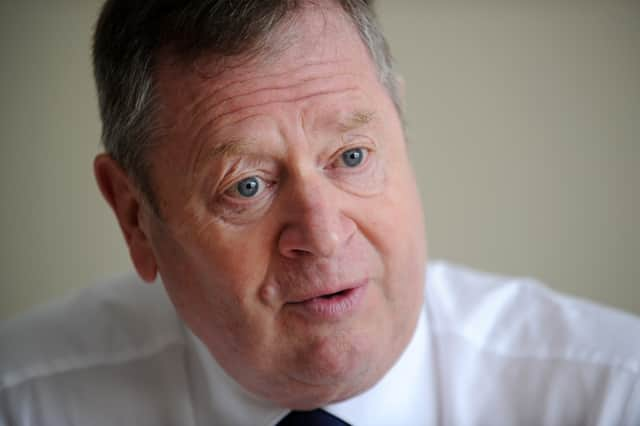
His 2025 valuation of £901m marked a decrease of £8 million – the largest fall among the region’s wealthiest.
It could suggest shifting consumer habits and potentially squeezed margins in home retail sectors.
What became increasingly clear was the diversification of Yorkshire’s wealth base.
Alongside stalwarts in supermarkets, furniture and property, 2025 saw new capital flow from sectors less visible in past lists.
And with the Shepherd family's growth rooted in demand from schools and hospitals, it was a strong sign that Yorkshire’s economic future might hinge as much on classrooms and clinics as it once did on coal and commerce.