
Green shoots for Asda despite further fall in sales over the Easter period: Chris Burn
The UK’s increasingly competitive supermarket sector in recent years has seen Aldi and Lidl close the gap on the traditional ‘Big Four’ of Asda, Tesco, Sainsbury’s and Morrisons.
Indeed, Morrisons has been overtaken as the nation’s fourth largest supermarket by Aldi and is now looking over its shoulder at Lidl, which has an eight per cent share of the market compared to Morrisons’ 8.5 per cent.
But in recent times, Asda has been the main victim of the competitive market with the Leeds-headquartered supermarket consistently recording falling sales and seeing its place as the country’s third largest supermarket chain come under increasing threat from the growth of Aldi.
Asda’s struggles were underlined in November when then-chairman Lord Stuart Rose admitted the private equity-backed business had “slightly lost the plot” on giving customers what they want and stores were “not as nice as I’d like them to be”. The new analysis figures from Kantar of the 12 weeks of supermarket sales to April 20 2025 do show the trend of falling revenue continuing with Asda’s sales down 3.8 per cent compared to the same period last year. Sales have dropped from £4,516m to £4,346m with its market share down from 13.3 per cent to 12.3 per cent.
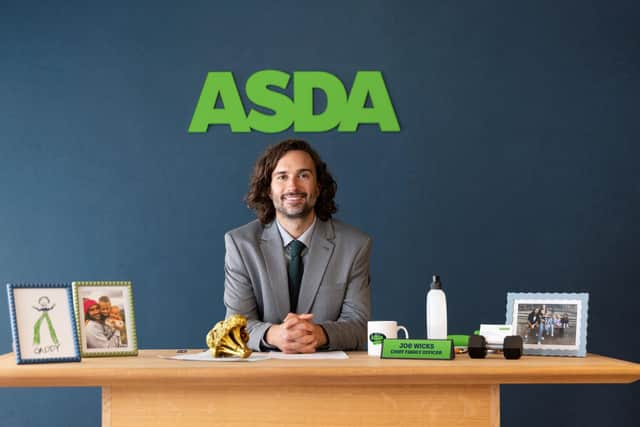

In contrast, Aldi’s sales are up by 5.9 per cent, with its market share rising to 11 per cent. Meanwhile Tesco has expanded its dominance to increase sales by six per cent and take its share of the sector to 27.8 per cent, with Sainsbury’s holding firm in second place.
While the figures don’t look great for Asda – especially as it is the only supermarket chain to record a fall in sales compared to last year – there is a sliver of good news for the brand in there when you consider the wider context. I’ve looked back at the Kantar figures for the rest of this year and there is an undoubted trend showing Asda is addressing its falling sales headache. While the January figures were down 5.8 per cent, in February they were at -5.2 per cent and March saw a five per cent reduction.
The trend is going gradually in the right direction and this month’s figures represent the first time this year the sales drop has been under five per cent. It has hardly cause to break out the champagne, but it perhaps does indicate there are some there are some green shoots coming from the turnaround plan launched by returning boss Allan Leighton, largely based around much more competitive pricing.
In January, Asda said it had brought back its Rollback pricing scheme which saw the prices of 4,000 products slashed by an average of 25 per cent.
It plans to continue to add thousands of new products to Rollback at regular intervals during the year as it looks to move its entire range to a new low “Asda Price”.
The company’s more proactive approach is also indicated by it trialling the replacement of its Asda Living clothing stores with concept stores named after its clothing range George.
Asda still faces plenty of challenges ahead – the increasingly confident Lidl has revealed hundreds of locations around the country, including about 80 in Yorkshire and the Humber, where it is considering opening new stores in the coming years.
Mr Leighton said last month there is no “quick fix” on the horizon for the company but progress is being made.
Following the publication of today’s Kantar figures, an Asda spokesperson said: “We have a clear plan to drive improvements in key areas like price, availability and service and since January our price investment has opened a 3-6 per cent advantage over competitors.
"As we progress on our mission to re-establish Asda as the cheapest full-service supermarket, we will have 10,000 products on Asda Price by the end of May. We know it will take time to get to where we want to be, but it's clear that consumers are responding positively to the changes we have made."