
I know the overwhelming feeling of caring, working and parenting responsibilities so I set up Sandwich Generation Support
The recent Christmas break may have been seen as a time to slow down but for many employees, it was a period when the pressure quietly increased.
Alongside end-of-year deadlines, many people are also juggling caring for ageing parents or elderly relatives, often while still looking after children. This is known as the sandwich generation.
It now affects around one in five employees, more than six million people across the UK, yet it remains largely invisible in working life.
I know this world well, both personally and professionally. My own experience of balancing a demanding national role in the NHS with caring for my mum, who had Alzheimer’s, while also raising three young children, is what led me to set up Sandwich Generation Support.
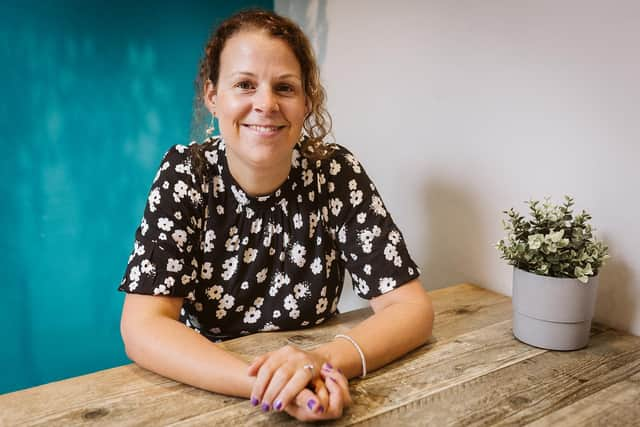

I now work with employers to help them understand what this really looks like for employees, and to put simple, practical support in place.
What’s striking is how rarely caring is talked about at work. Many people don’t see themselves as carers.
They’re simply daughters, sons, partners or parents doing what needs to be done. Caring often builds gradually, then suddenly becomes all-consuming.
Because it doesn’t come with a job title or a clear start date, it’s easy for individuals and organisations to underestimate just how much people are carrying.
I remember one December morning juggling a national meeting on my laptop while my children got ready for school, and my phone kept flashing with my mum’s GP’s number with an important update I’d been waiting for — a moment that captures the overwhelm and juggle so many in the sandwich generation experience at Christmas and all year round.
Through my work at Sandwich Generation Support, I’ve worked with hundreds of employees and managers in the last year alone. These stories keep coming up, in every conversation I have.
People go off sick, quietly reduce their hours or leave roles they value because the strain becomes too much. Employers see the impact in rising absence, stress and the loss of experienced staff, often without understanding the underlying cause.
This isn’t about special treatment or lowering expectations. Most people in the sandwich generation want to work and want to do their jobs well. What they need is understanding, flexibility and a workplace culture where it feels safe to be honest about what’s going on in their lives.
Small changes can make a real difference. Line managers who feel confident starting supportive conversations. Flexibility that recognises caring doesn’t run to a timetable. Clear signposting to practical help, inside and outside the organisation.
None of this is particularly complex or costly, but it does require awareness and leadership.
What stands out most for me is the relief people feel when their experience is named and acknowledged. Simply having language for what they’re dealing with can be powerful. It helps people feel less isolated and gives organisations a clearer picture of who their workforce really is.
The sandwich generation isn’t a niche group. It’s a growing part of today’s workforce. Recognising that isn’t just the right thing to do — it’s essential if organisations want to retain skilled, committed people who are quietly holding everything together.
Sherry King is director of Sandwich Generation Support