
Red Bull shows how bans can lead to business success: David Richards
I have a confession to make. As a naive 12-year-old, I bought a copy of Relax by Frankie Goes to Hollywood. I had no idea what the lyrics really meant. I bought it because it was banned.
Mike Read banned it on Radio 1. Days later, I sat glued to the Top 40 countdown, as Tommy Vance reached number one but still could not play the record.
The next morning, I walked down Fargate in Sheffield and handed over my pocket money at WH Smith. The ban gave it power. It gave it mystery. Most of all, it gave it sales.
People want what they are told they cannot have. Prohibition created the bootlegging fortunes of America’s Roaring Twenties. Schoolyard bans fuelled the appeal of cigarettes.
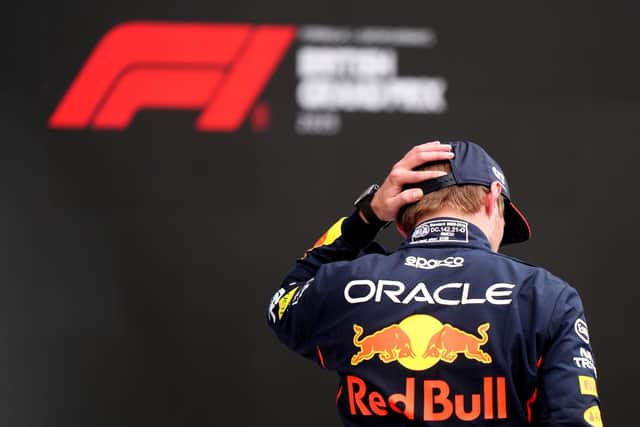

And in more recent times, restrictions turned a little-known Austrian energy drink into a global empire.
Red Bull began life in Thailand in the 1970s, where a businessman, Chaleo Yoovidhya, sold a syrupy tonic called Krating Daeng to lorry drivers and labourers. It kept them awake through punishing shifts.
It would have almost certainly stayed local had Dietrich Mateschitz, an Austrian toothpaste salesman, not discovered that it eased his jet lag. In 1984, he struck a deal with Chaleo.
They formed Red Bull GmbH, reformulated the drink, added fizz, and launched it in a slim silver can aimed at students and nightclubs rather than truck stops.
Regulators reacted with panic. France, Denmark and Norway banned its sale. German officials warned of heart risks. Instead of killing the brand, the bans made it irresistible.
Students smuggled it across borders. Clubbers bragged about finding it. Newspapers fanned the flames. Red Bull became contraband in a can.
From there came lift-off. Today Red Bull sells over 12 billion cans a year in 170 countries, pulling in more than €10 billion in revenue. Forbes values it at over €20 billion. But Red Bull is more than a drink. It owns two Formula 1 teams, football clubs in four countries, a record label, television channels and one of the sharpest content machines on earth.
When Felix Baumgartner leapt from the edge of space in 2012, he was not just skydiving. He was proving that Red Bull had become a cultural phenomenon.
The co-founders became fabulously wealthy. Chaleo Yoovidhya, once a poor farm boy, rose to be Thailand’s third-richest man.
When he died in 2012, his family inherited a majority stake in Red Bull and remains in control today. Dietrich Mateschitz became Austria’s richest man and built an empire spanning sport, media and culture. A drink once banned in Europe now sits at the heart of two dynasties.
What it shows is simple. Scarcity and controversy can light the fuse, but only strategy and relentless execution keep the rocket in the air. Frankie Goes to Hollywood soared to number one on scandal, but their career faded when the shock wore off. Red Bull turned prohibition into the best marketing campaign money could never buy, then used it to build a global empire.
Business leaders should take note. Scarcity sells. Exclusivity excites. People crave what they are told they cannot have. But when the mystery fades, the real work begins. Entrepreneurs who succeed are those who turn curiosity into loyalty and hype into scale.
Bans can ignite the fire, but only great businesses keep it burning. The question for today’s entrepreneurs is simple: when the ban is lifted, will your business still have wings?
David Richards is managing partner of Yorkshire AI Labs