
Why ban on luring new customers with cheap energy deals should stay: Rocio Concha
How can we ensure consumers get a fair deal for energy?
When it comes to getting the best deal, who should energy companies prioritise? Do they try to entice new customers with low prices or reward existing ones for their loyalty?
The question has been thrown into the spotlight recently after the energy regulator Ofgem hinted that it was minded to remove the ban on acquisition-only tariffs - bargain deals only available to new customers - introduced in April 2022.
This ban, at the time deemed a temporary fix during the height of the energy crisis to stabilise the market, has in fact helped give customers confidence that their supplier is acting in their best interests.
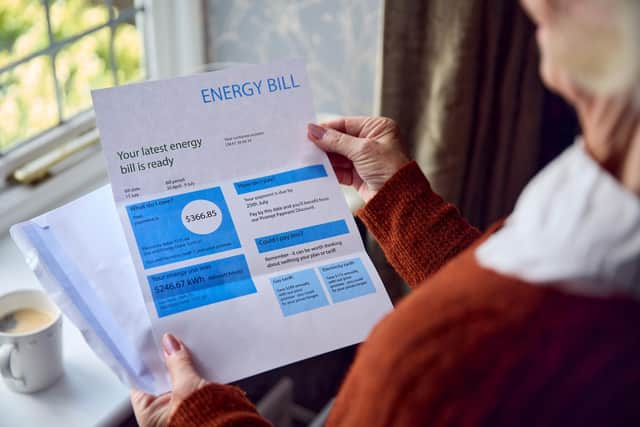

Removing the ban would allow energy suppliers to attract new customers with cheaper options or lure switchers from rival firms and could come into force from October this year. A decision is expected this month.
Which? believes that removing the ban would be a mistake. It would be unfair for existing customers to not have the same access to the best deals that new customers would be offered to join.
These so-called ‘loyalty penalties’ aren’t a new phenomenon. They became such an issue in the insurance sector that the regulator, the Financial Conduct Authority, had to step in and ban firms charging existing customers more than new ones.
Our research underlines the perceived unfairness. A nationally representative survey of over 2,000 people found more than 80 per cent of respondents thought existing customers facing higher rates than new ones was unfair. Only one in 10 thought the practice was fair.
That’s why we, along with a host of energy suppliers and consumer groups, have written to Ofgem, urging the regulator to reconsider its proposals. In a joint letter with energy firms E.ON, Octopus, So Energy, Rebel Energy and fellow consumer groups End Fuel Poverty Coalition, Citizens Advice and Fair by Design, we not only highlight the inherent unfairness of penalising existing customers, but raise the potential impact on customers in debt, who may not be able to switch providers. They could find themselves struggling to access a better deal if their supplier is hiking tariffs for existing customers in order to subsidise cheaper deals for new joiners.
There are also lessons from history for Ogem to take heed of. The pitfalls of encouraging firms to offer unsustainably cheap deals to new customers contributed to over 30 suppliers going bust in recent years. The result was billions of pounds of energy costs left behind by those suppliers that still needed paying despite them leaving the market - in many cases taking customers’ hard-earned money with them. Consumers ultimately paid the money back through higher bills.
Over time, as more consumers look to upgrade their homes with greener technologies, the relationship between customer and supplier will need to be deeper, including non-price factors, than the shallow focus on how much switching on price is taking place. Allowing suppliers to revert to their old ways of enticing new customers and penalising their existing ones risks weakening that relationship.
One interesting piece of data our survey unearthed was that an overwhelming majority of respondents believed that cheaper deals only being available to new customers was unfair - even when they stood to benefit. The ban on this practice has done vital work to protect customers from having their loyalty taken advantage of. Ofgem must reconsider its proposals to remove it.
Rocio Concha is director of policy at Which?