
Yorkshire Wildlife Trust says Calderdale wind farm plans ‘poorly thought through and technically inadequate’
The Chief Executive of Yorkshire Wildlife Trust has strongly condemned a proposed wind farm development in West Yorkshire, accusing plans for the scheme of being “poorly thought through and technically inadequate”.

The comments relate to the Calderdale Energy Park scheme, which proposes building 34 wind turbines on Walshaw Moor, close to Hebden Bridge in an area widely known as “Brontë Country”.
Responding to the developer’s Preliminary Environmental Information Report, Yorkshire Wildlife Trust’s Rachael Bice said those behind the scheme had “neither been robust nor transparent in their site selection and have provided insufficient evidence to suggest that they have properly considered any mitigation.”
Christian Egal, project director on the scheme, argued that the group had “thought carefully” about the impact of development on the local moorland.
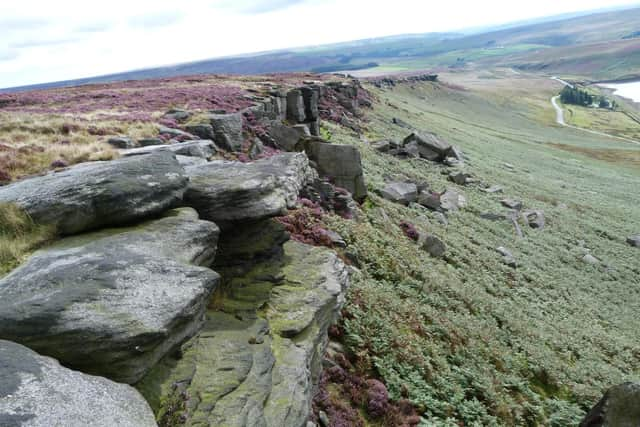

Since its launch, the Calderdale Energy Park scheme has attracted criticism from MPs and local campaign groups, who argue that the project risks damaging important peatland and local wildlife. The proposed scheme would be located on an area which is protected as a Special Protection Area, Special Area of Conservation and Site of Special Scientific Interest.
Plans for the scheme were first introduced in 2023 with a proposed 65 wind turbines, with developers reducing the number of proposed turbines down to 51 in 2025 and later to a “maximum of” 34.
Speaking on the project, Mr Egal said: “We recognise that people will have a range of perspectives, and all feedback received will play an important role in informing the final proposals. Calderdale Energy Park could support the UK’s long-term energy security and clean energy transition, generating enough electricity to power approximately 198,000 homes and reducing CO2 emissions by around 2.9 million tonnes over its lifetime.
"Walshaw Moor has a phenomenal wind resource – which means that wind turbines here can produce clean electricity more reliably than many other locations in the UK - in an area of the country identified as needing more onshore wind generation to meet future energy demand.”
Mr Egal added that refinements to the proposal “demonstrate our commitment to listening to local communities and stakeholders,” adding that the group would continue to do so as it considers how the project responds to recent feedback.
In its most recent response to plans, Yorkshire Wildlife Trust argued that the application had “not demonstrated that the development would not exacerbate existing flood risk to surrounding areas”.
The group said that potential disturbance to upland peat caused by the scheme could “elevate flood risk”.
Yorkshire Wildlife Trust also argued that damaged peatlands are “more prone to drying and ignition, thereby heightening the likelihood and severity of fires”.
Ms Bice added: “Renewables have a vital place in responding to the climate and biodiversity crises but must be carefully sited and designed, this nationally significant proposal does neither of these things. It also sets a dangerous and worrying precedent for our most protected landscapes and communities living near them.
"We support the government’s target to reach net zero but not at the cost of avoidable, severe and long‑term harm to nature and habitat.”