
Converting cow muck to renewable energy could power Yorkshire dairy farm
A Yorkshire farm hopes it can turn muck into brass by using it to generate renewable energy to power the milk-producing business at the site.
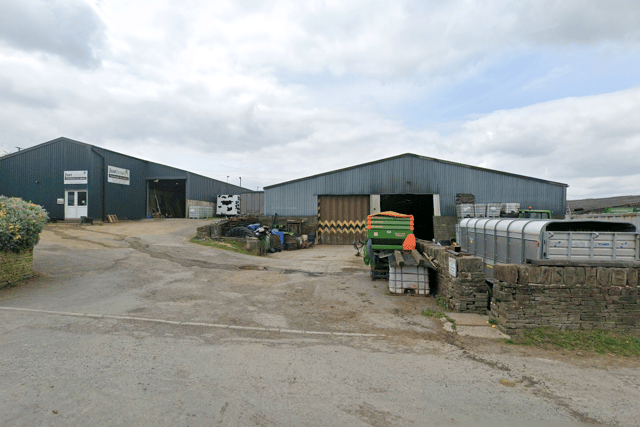
Mr James Clarkson has applied to Calderdale Council seeking permission to build an anaerobic digester and engine building at Hazel Slack Farm, Barkisland.
Supporting statements with the application say Hazel Slack Farm is a family run business, with the applicant having farmed the land for more than 60 years and his family for more than a century.
It is predominantly a dairy farm, with an average milk yield of 8000 litres each cow per year.

The milk produced is sold through Arla Foods on contract to Asda and other supermarket chains, but the farm is also diversifying.
In 2007 the family diversified to ice cream production and the farm is now the base for their family ice cream business Just Jenny’s Farmhouse Ice Cream, according to the supporting statement from agents WBW Surveyors Ltd.
The ice cream business supplies some venues across the region, including farm shops, restaurants, delicatessens and cinemas.
All the ice cream is made and stored on site using milk from the dairy herd and local produce, say the supporting papers.
The anaerobic digester plant will use cattle slurry already produced on the holding, if planners agree.
This will be pumped from the farm’s existing lagoon into a cladded circular tank where it is circulated for a minimum period of 28 days, where the slurry will begin to ferment and break down, the supporting statement explains.
“This process produces bio-ethanol gasses which are used to power a combustion engine, in turn producing electricity and heat.
“The plant will produce electricity to primarily serve the agricultural holding,” it argues.
The proposal is to construct a 30kW plant and it is envisaged that 100 per cent of the electricity will be utilised on the farm.
Outside of peak usage, any excess will be exported to the National Grid to generate another source of revenue.
As the draw of electricity is constant due to the robotic milking units, an anaerobic digester plant is the most appropriate method of producing renewable energy, as wind and solar rely upon uncontrollable factors, argues the supporting statement.
If granted, the proposal will “contribute towards the farm’s aims to mitigate and adapt to the predicted impacts of climate change.
“The proposal will ensure energy efficiency is maximised for the farm and that is one of the priority outcomes for constructing the anaerobic digester,” argue the supporting papers.
Other advantages would be advantages from a decrease in slurry application rates, reduction in input costs, diversifying the business and increasing overall efficiency, say the agents.
The application, number 26/00210/FUL, and supporting papers can be viewed on the council’s planning portal.