
Fertiliser tariffs could be slashed to help farmers with Middle East crisis
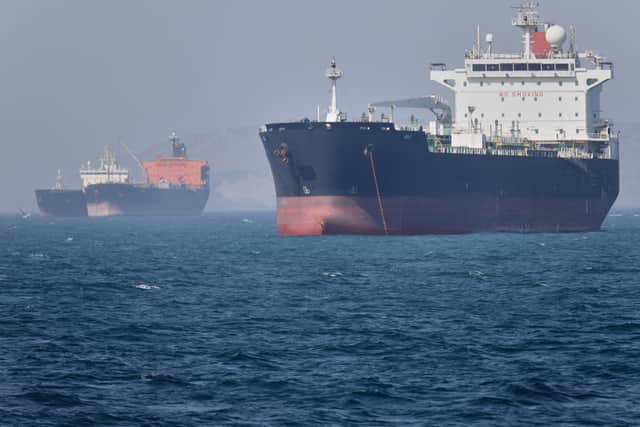
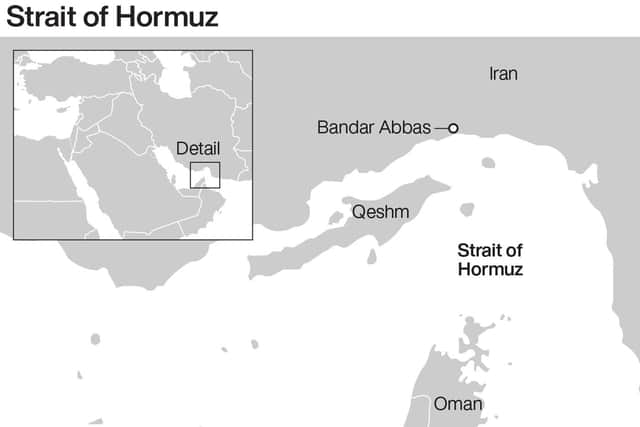
Around a third of the world’s most widely used nitrogen fertiliser is exported from Gulf countries through the Strait of Hormuz, which is currently being blockaded by both Iran and the US.

The Government will consult on whether to suspend fertiliser tariffs to try and help farmers hit by the ongoing war in the Middle East.
Around a third of the world’s most widely used nitrogen fertiliser is exported from Gulf countries through the Strait of Hormuz, which is currently being blockaded by both Iran and the US.
While negotiations for a ceasefire are ongoing, the two countries traded missile strikes at the start of the week.
British farmers, who are already operating in a difficult economic environment, have been facing much higher input costs on red diesel, gas and fertiliser.
The Government has already slashed tax on red diesel for farmers, and is now looking at cutting tariffs on fertiliser imports.
Country Land and Business Association president Gavin Lane said: “We welcome the government’s earlier announcement on the rate cuts for red diesel and rebated biodiesel.
“The proposed suspension of tariffs on certain fertilisers could potentially help farmers with the impact of rising fertiliser prices due to the Iran war, however, the real challenge will be dealing with an impending shortage of supply. We will await the consultation to see what is proposed.
“Fertiliser is a critical farming input to ensure healthy yields, especially our cereal crops.

“Higher fertiliser costs forcing some farmers to leave their fields fallow as a more cost-effective option.
“The adverse economic impacts of the Ukraine conflict showed that the increasing cost of fertiliser led to a reduction in productive capacity, hitting food security and leading to higher food price inflation.”
Campaign movement Save Soil has called for more Government support for the transition to regenerative farming practices, which will reduce the reliance on fertiliser from abroad.
Praveena Sridhar, chief technical officer, explained: “The UK’s food security cannot keep being held hostage to geopolitical events thousands of miles away.
“Every time there is a conflict in the World, British farmers face a fertiliser crisis, which results in higher food bills for British families.
“This is a pattern we can break, but only if we invest now in farming systems that do not depend on imported chemical inputs.”
Meanwhile the Government has listed some 125 household essentials, which could have their tariffs cut to ease the cost of living.
The Government published a list of the household items, which includes garlic, avocados and olive oil, after an announcement by the Chancellor Rachel Reeves last week.
Tariffs may also be taken off chewing gum, throat pastilles, and cocoa powder.
However, the move has proved controversial with the agriculture sector, with National Farmers’ Union president Tom Bradshaw saying: “Rather than looking at further tariff reductions, this is the time for Government to back British food and farming.
“Alongside adopting immediate measures that would help keep on-farm cost inflation under control, we urge ministers to back efforts to boost resilience in our food systems.
“Supporting our food producing businesses will ensure a strong domestic supply of food, with farmers and the public less vulnerable to global price shocks, meaning food price stability and long-term affordability.
“Chasing cheap food in the short-term threatens to undermine our long-term domestic food production and the shared ambition for a sustainable food system.”
Ms Reeves said: “The war in Iran isn’t our war, but one we will need to respond to, and my priority is keeping prices down for households and businesses.
“That’s why we’re freezing fuel duty, increasing the mileage rate for the first time in 15 years and slashed VAT temporarily this summer to help reduce the cost of days out.”