
Peatland protection: near £50m funding boost to help 'UK's Amazon rainforest'
Peatlands store more than half of the carbon found in England’s land-based ecosystems.

Ministers have announced a £47m funding boost for projects aimed at protecting some of peatlands, which are vital for absorbing and storing planet-heating carbon from the atmosphere.
The money, announced by the Environment Department (Defra) today, will be divided between three pots, each supporting projects related to either building wetting infrastructure, growing wetland crops and bulrush, or receiving peatland restoration training.
Farmers, land managers, drainage boards, water companies and environmental organisations can apply for grants from these different schemes depending on which action suits them best.
Peatlands store more than half of the carbon found in England’s land-based ecosystems.
This makes them a powerful nature-based solution against climate change, which is mostly driven by carbon dioxide and other greenhouse gases being released into the atmosphere by burning fossil fuels.
However, 80 per cent of England’s peatlands have been degraded after centuries of drainage to make way for farming caused the soils to dry out and the organic matter they contain to decompose, releasing stored carbon into the atmosphere.
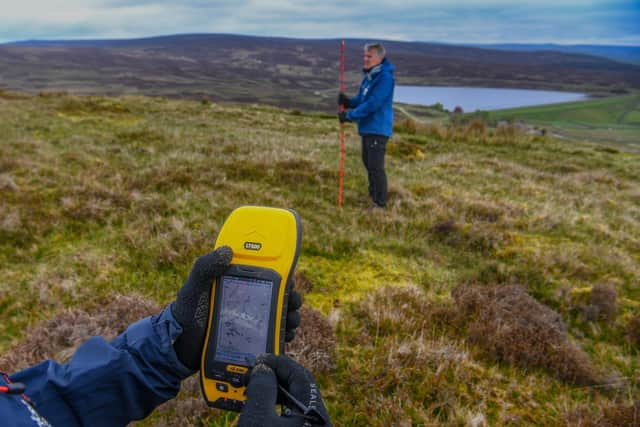

So rewetting the peat can help to lock the carbon back into the ground, support wildlife, increase resilience to drought and better protect communities from flooding.
Nature minister Mary Creagh said: “Peatlands are as vital to the UK as the Amazon rainforest is to Brazil but too many of them are degraded and releasing carbon rather than locking it in.
“These new grants will support better water management on farms, new types of wetter farming, or upskilling local people to restore peatland.”
The Government has been criticised for a controversial decision to ban controlled heather burning on deep peat, despite receiving warnings from the fire service and academics that this would increase the risk of wildfires.
Last August, the UK’s biggest wildfire burned for more than a month on Langdale Moor, in the North York Moors, and was declared a major incident.

The blaze started in a forestry block which was not actively managed and spread across unmanaged moorland
Despite this, the Government pressed ahead with a ban on controlled burning of heather on peatland at a depth of more than 30cms rather than the current 40cms limit from 30 September.
Controlled burning is used on some moorlands to tackle fire risk. However, the Government says that banning it will help biodiversity and environmental protections.
Defra’s announcement comes amid plans to build a huge wind farm on Walshaw Moor, in Calderdale, the wild landscape that inspired Wuthering Heights.
Despite its legal protections, Saudi-backed developers are pushing ahead with plans to build 34 wind turbines – at 200m more than 40m higher than the Blackpool Tower – and a battery energy storage system.
MPs from Labour and the Conservatives have objected to the project, highlighting the fact that the scheme would cover more than 2,300 hectares of protected peatland.