
Curriculum review to try and tackle regional inequalities in education system
Labour’s curriculum review will look at how to make teaching more relevant for pupils from disadvantaged backgrounds to tackle regional inequalities, The Yorkshire Post has been told.
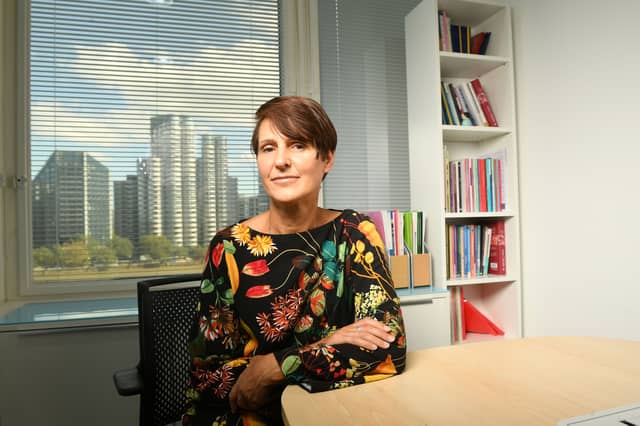


Bridget Phillipson launched the wide-ranging appraisal of the curriculum and exams as one of her first actions as Education Secretary.
The call to evidence from the review in England – which is being chaired by education expert Professor Becky Francis – closed last week.
Ms Phillipson has made ending the “baked-in” regional inequalities in the education system as one of her top priorities, and believes the curriculum review will form a key part of this.
Prof Francis is assessing the exam system, vocational qualifications and how to make the curriculum more relevant for schoolchildren from disadvantaged backgrounds.
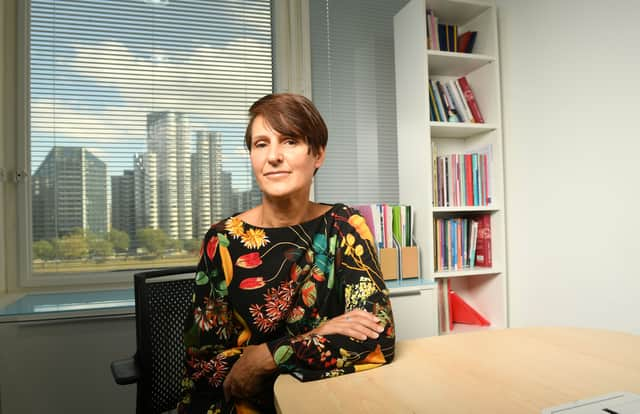
Speaking to The Yorkshire Post after an evidence session at Doncaster College, she said: “It’s over a decade now since the curriculum was last reviewed, so I think there’s a collective recognition that it's time for a refresh.
“Within that refresh, I think there’s an opportunity to ensure we build on the successes of the last 10 years, but ensuring that all young people can thrive and succeed.”
Prof Francis said that one of the issues she has heard “not just in Doncaster, but across the country, concerns that an overpacked curriculum presents challenges … to be able to make the curriculum relevant for their particular cohort or demographic”.
The education expert also said she wanted to broaden the choice for youngsters from disadvantaged backgrounds.
“Over the last decade, there’s been slightly more attention given to maths and English that has squeezed some other subjects,” she said.
“There’s questions of course as to whether that’s a good thing or a bad thing … these are all things we are looking at in the round.”
And Prof Francis said that a focus on young people with special educational needs and disabilities “is core to our purpose”.
“We’re looking at how we can ensure those young people are supported through their educational progress and their assessment, which is something that has come up many times during this engagement process.”
An interim report will be published early next year, with a final report and recommendations due in the autumn.