
Persistently absent schoolchildren returning to classroom in Yorkshire, figures show
Thousands of children are returning to the classroom across Yorkshire, as new figures show school attendance is up across the region.
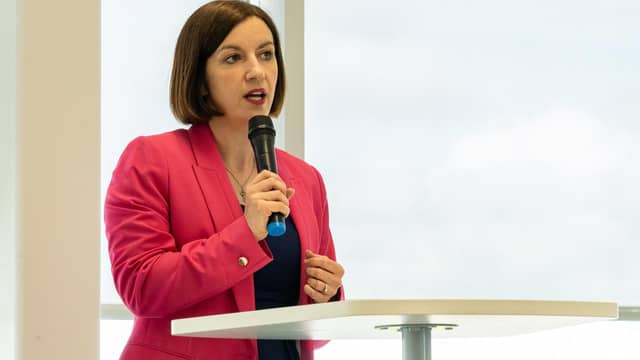


Education Secretary Bridget Phillipson said: “The record improvement in school attendance shows we are turning the tide on a crisis that saw a generation go missing from England’s schools.”
However, experts have said the figures show that the attendance crisis can no longer be seen as a “post-pandemic blip” and risks becoming “deeply entrenched”.
Yorkshire and the Humber has had some of the country’s worst school attendance, suspension and expulsion figures since Covid.
However, the data, published yesterday, shows overall attendance is up by 0.42 percentage points, while persistent absence decreased by 2.3 percentage points.
The latter figure refers to pupils who miss 10 per cent of their lessons, and means 17,000 children are attending school more regularly.
This comes despite an apparent rise in home schooling, particularly among children with special education needs (SEN).
Ms Phillipson said: “Getting children back in classrooms, where they belong, is non-negotiable if we are to break the unfair link between background and success so we can build a fairer country – a cornerstone of our plan for change.
“When we tackle attendance head-on, everyone benefits – pupils get the consistent education they deserve, teachers can focus on driving up standards, and we build the stronger workforce our economy needs."
The Centre for Social Justice’s analysis of the figures found children on free-school meals are nearly four times as likely to be severely absent as their peers, while those with SEN support plans are seven times more likely.
The think tank said that the school absence is contributing to the nation’s economic woes by putting thousands of pupils “on a path to worklessness and welfare dependency”.
Beth Prescott, education lead at the CSJ, said: “Five years on from school closures, classroom absences can no longer be viewed as a post-pandemic blip. The material risk now is that this issue is becoming deeply entrenched.
“This is not just an educational problem. It is sending a bow wave of harm through our economy, driving more young people towards a life of wasted potential and benefit dependency.
“Ministers must now build on the progress they have made and work with local charities and families to provide more absent pupils with the mentorship they need to return to school.”