
Send crisis pushing UK to brink of 'national emergency', new report finds
The “worsening crisis” in the special educational needs and disabilities system (Send) is putting the UK on the brink of a national emergency, experts have said.

The latest Child of the North report, produced by the N8 Research Partnership of universities and Health Equity North in partnership with Baroness Anne Longfield’s Centre for Young Lives, paints a “shocking picture from the last 12 months”.
It comes just days after Education Secretary Bridget Phillipson announced that the Government’s long-awaited reforms to the Send system would be delayed until the new year.
“The stakes are high,” the Child of the North report says.
“Without action the Send crisis will deepen, the UK’s economy will suffer, the NHS will remain under great pressure and the link between a child’s background and life chances will remain.”
One in five children are identified with Send and more than 5 per cent of all pupils now access the highest level of support through Education, Health and Care Plans (EHCPs), almost double the 2017 figure.
However, the report finds that more and more children with EHCPs are becoming severely absent from school, compared with those without Send.
It says this is creating a “widening gap” between pupils with and without Send.
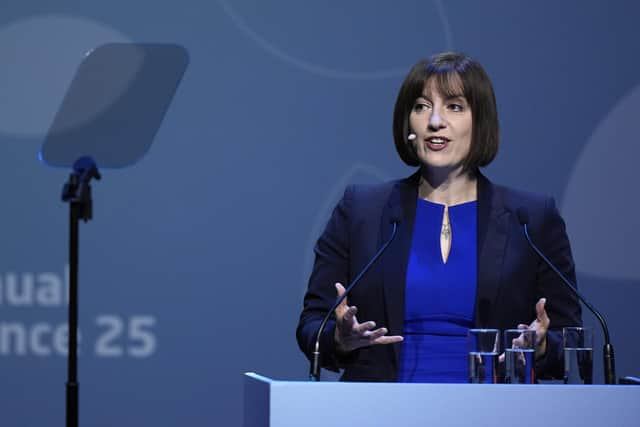

Disengagement from the school system “can have profound consequences for children’s long-term outcomes”, the report explains.
The research finds not only is there a North-South divide when it comes to Send provision, but also a postcode lottery within Yorkshire.
In some areas, such as Barnsley, 97 per cent of EHCPs are issued within the 20-week target, while other areas, such as Leeds, deliver only 9 per cent in this time frame.
In rural parts of the region, the Send crisis is causing significant funding issues.
North Yorkshire Council leader Coun Carl Les revealed that transporting one child with complex needs to school was costing £1.2m a year.
“That is the sort of scale of cost that we can be facing for an individual child, and there are more of those children coming into the system,” he said.
While in the East Riding of Yorkshire, the council receives the lowest amount of per pupil Send funding in the country.
Coun Victoria Aitken, cabinet member for children, families and education said: “The way Send funding is calculated is outdated and doesn’t represent the current demands and needs of children and their families.”

Professor Mark Mon-Williams, the Child of the North report series editor from the University of Leeds, said: “The UK needs to wake up to the existential threats we are facing as a country.
“These reports are helping to highlight that we have a national emergency on our hands.
“We need to cut through the noise and shift the public and political discourse to the topic of how we build a country that works for all children and young people.”
Baroness Longfield, the former children’s commissioner from Ilkley, commented: “Reforming the Send system is an urgent task.
“Too many families face draining and bureaucratic battles to get the right support for their children, and many children are missing out on the extra help they need to learn.
“The Government's forthcoming White Paper must be the beginning of a change of direction - one that puts children first, supports families as early as possible, and provides schools with the resources they need to boost the life chances of every child.”
Last week, Ms Phillipson announced the Government’s reforms to the Send system would be delayed until 2026.
In the letter to the Education Committee, Ms Phillipson said: “To help us deliver the most effective set of reforms we can, I have taken the decision to have a further period of co-creation, testing our proposals with the people who matter most in this reform – the families – alongside teachers and other experts as you highlight in the Select Committee’s report.
“We will bring forward a full Schools White Paper early in the new year underpinned by our belief that high standards and inclusion are two sides of the same coin.”
She added that ministers at the Department for Education (DfE) have been engaging extensively with families and experts in recent months, which is now being fronted by Georgia Gould, who was appointed in September.
The Education Secretary set out five principles for Send reform in her letter, focusing on children receiving support early and locally, rather than travelling far away.
Reforms should be effective and grounded in evidence, she added, with all schools fairly resourced to meet “common and predictable needs”, and education, health and care services working in partnership with each other as well as councils and families.
There have been concerns that Education, Health and Care Plans (EHCPs) may be cut under the Government reforms, however, Ms Gould has previously said there “will always be a legal right to additional support” for young people with Send.