
Coroner questions trust’s actions over death of cancer patient
A coroner has urged changes to the care of cancer patients following the death of a man in hospital in Sheffield following serious side-effects from immunotherapy treatment.
South Yorkshire West assistant coroner Carl Fitch issued a prevention of future deaths report with recommendations to Sheffield Teaching Hospitals NHS Foundation Trust.
The trust apologised and said it is carrying out a review to prevent the situation reoccuring.
The report follows an inquest held into the death of Graham Ian Oxley, which concluded on March 19, 2026.
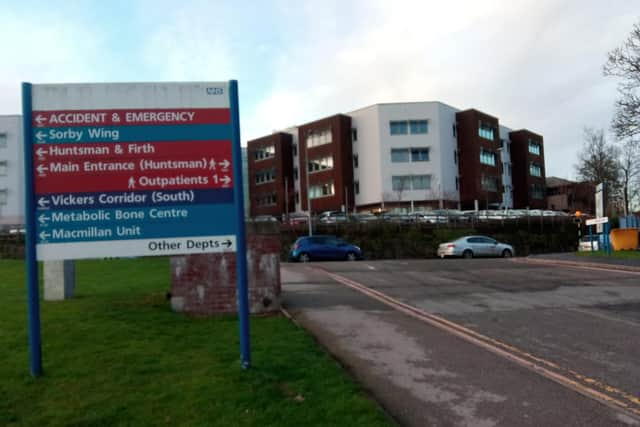

Mr Oxley died on February 22, 2025 at the Northern General Hospital after suffering serious side-effects from pembrolizumab immunotherapy given following kidney cancer surgery.
The coroner reported: “The treatment caused inflammation affecting his heart, muscles and nerves, which led to worsening problems with his breathing and heart.
“He was treated in hospital but his condition continued to decline and life support treatment was stopped.”
The immunotherapy treatment was administered on January 9. The report said: “Within days, Mr Oxley developed symptoms including diarrhoea, fatigue, breathlessness, weakness and later neuromuscular impairment.
“He made repeated attempts to obtain advice via oncology emergency contact numbers, without success. He attended emergency care but was left without diagnosis.
“On January 28, 2025 he was admitted to Weston Park Hospital, appearing jaundiced with neuromuscular weakness. He rapidly deteriorated requiring intensive care. He was diagnosed with immunotherapy-related toxicity.
“He received escalating aggressive immunosuppressive treatment including steroids, IVIG and abatacept. Despite treatment, his condition progressed to multi-organ failure.”
Mr Fitch said: “There are concerns about the reliable operation of systems intended to support early recognition, escalation and access to specialist care for patients experiencing serious immunotherapy toxicity”.
He said the NHS trust describes access to urgent oncology advice through a queue-based triage system and accepted that delays may occur. “The response does not demonstrate how time-critical immunotherapy toxicity is reliably prioritised or escalated when delays arise,” he added.
The report said that patients are issued with an immunotherapy alert card. It added: “The trust’s response does not show that possession or presentation of an alert card triggers a distinct fast-track or priority pathway, instead linking it to the same triage arrangements.
“These matters create a risk of future deaths where patients experiencing immunotherapy toxicity may encounter delay in accessing specialist advice and where urgent risk signals do not result in priority assessment.” The NHS trust has until May 20, 2026, to respond.
Jane McNicholas, chief medical officer of the NHS trust, said: “In January 2025 Mr Oxley suffered a rare but recognised side-effect of the drug he was taking.
“All patients on immunotherapy are given an alert card which gives a telephone number to call if needed and also advises that patients should ring 999 or attend A&E in an emergency. Information about potential side-effects is also provided at consent appointments.
“We are so very sorry that on the day Mr and Mrs Oxley rang the helpline they could not get through and so had to go to A&E which was exceptionally busy.
“Mr Oxley was assessed within a few minutes of arrival and moved to an isolation room in recognition of his compromised immunity, but he then did have a longer wait than we would expect in A&E.
“We have taken what happened very seriously and are reviewing how we provide support and information to patients on immunotherapy to limit the chances of this situation recurring.
“We will of course share the actions we take with Mrs Oxley and the coroner.”