
Maternity services in York and Scarborough lifted out of special measures

Maternity services in York and Scarborough have improved enough to be lifted out of special measures following a damning inspection in 2023.
A Section 31 notice was served on York and Scarborough Teaching Hospitals NHS Foundation Trust by the Care Quality Commission (CQC) after inspectors found “serious concerns” in the maternity care being offered.
Safety errors included a lack of monitoring machines to check on the wellbeing of unborn babies, birthing pools being closed due to e.coli being detected, and ward security meaning babies could have been taken out of the post-natal ward.
Inspectors deemed the maternity department with the lowest possible grade of ‘inadequate’ following the inspection.
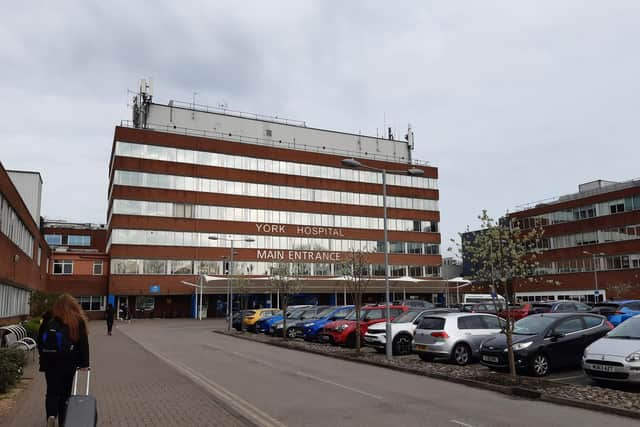

The notice served by the CQC meant the Trust had to legally take urgent enforcement action to improve maternity services.
But late last year, the section 31 notice was formally lifted by the CQC after improvements were made across the departments.
Board papers released by the Trust said senior leaders were “delighted” by the CQC’s decision to formally lift the notice after an application by the hospitals last October.
Members congratulated director of midwifery Sascha Wells-Munro on her “leadership of improvements” which had resulted in the removal of the Section 31 notice.
But there are still key concerns both with staffing levels and with how often the home birth service is suspended.
Around 3500 babies are born in York each year, with the majority of those being delivered at the city’s hospital, which also has a special care baby unit.
It comes as parents are urged to share their experiences of maternity care in England as part of an investigation ordered by the Government.
Baroness Valerie Amos is leading the National Maternity and Neonatal Investigation (NMNI) which is looking at maternity and neonatal care, including cases where babies have died due to failings in the NHS services.
Some families have urged Health Secretary Wes Streeting to launch a statutory public inquiry, saying Lady Amos’ review does not go far enough.
In a new call for evidence, Lady Amos said people’s experiences are central to the investigation, which is due to report in the spring when it will publish a set of national recommendations.