
From chocolate browns to modern heritage: the interior trends shaping homes in 2026 according to Yorkshire designers
After years of pale palettes, pared-back rooms and interiors designed more for Instagram than real life, homes are beginning to feel warmer, richer and more personal again.

Yorkshire designers say homes are shifting away from cool restraint towards richer colour, layered textures and layouts designed for real life rather than show-home perfection. As 2026 approaches, the focus is firmly on comfort, character and longevity.
York-based interior designer Isobel Star says the change is already evident in the colour choices clients are making. “In my projects and colour consultations I’m seeing an increased demand for warmer richer colours, on walls and woodwork,” she says. Chocolate brown shades, in particular, are becoming more common. “I have been specifying chocolate brown shades in particular and I expect this to continue into 2026.” She points to Farrow & Ball’s Cola and Mahogany and Little Greene’s Chocolate Colour as examples of dark shades that feel warming rather than severe.
That desire for warmth extends beyond paint. Isobel says antique furniture is becoming more prominent as homeowners look for interiors that feel authentic and sustainable. “Antique furniture is something that I always incorporate into my projects,” she says, adding that concern about sustainability and a move away from built-in solutions is pushing freestanding and older pieces further into the mainstream.

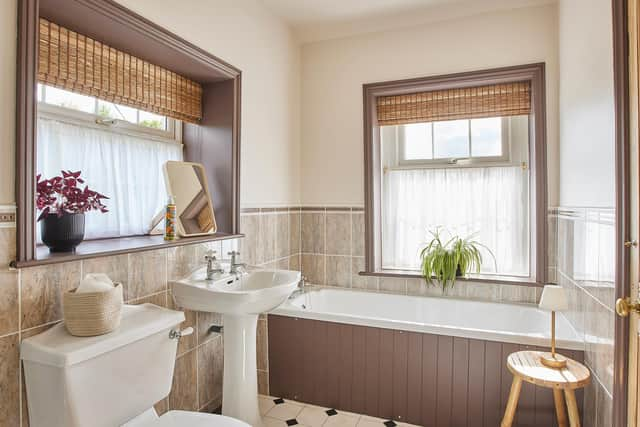
Even homes that lean towards simplicity are softening. Isobel says comfort will dominate interior choices in 2026, with a move away from mass-produced finishes towards natural materials and craft. She expects to see more multi-layered cotton and linen window dressings that diffuse light, alongside wall-hung textiles that “dampen sound and bring warmth and texture”.
Metal finishes are changing too. “The softening of interior spaces translates into less demand for polished metal,” she says, with a shift instead towards aged finishes such as bronze and pewter. There will also be “much much less focus on matching the metal finishes throughout the home”.
At Skipton-based furniture maker Secret Drawer, that blend of warmth, craft and history is summed up by what the team describes as “modern heritage”. It reflects a move away from stark minimalism towards homes with what they call “soul, story and purpose”, combining restored architectural details with contemporary living.
Furniture designer Richard Mason, owner of The Secret Drawer, says the approach starts with understanding both the building and the people living in it. “Embracing the heritage of the customer’s home and understanding how the space will be used is the starting point for creating designs that are both functional and beautiful,” he says, adding that “the quality of materials and skilled craftsmanship bring the vision to life”.
After nearly three decades in the industry, Richard believes longevity matters more than fashion. “Trends come and go, but for me it’s always been about creating modern-heritage pieces that will be loved and lived with for a lifetime.”
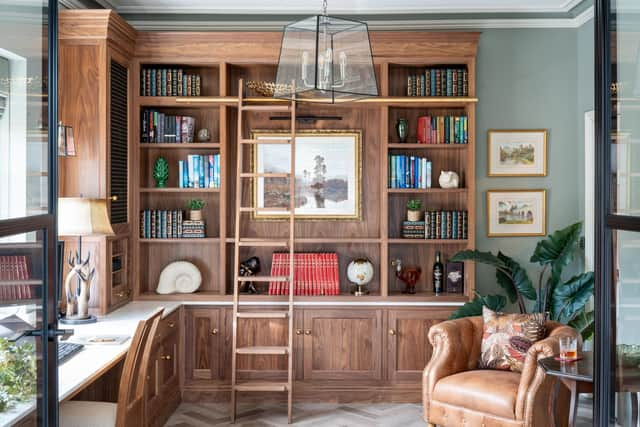
That philosophy is reflected in how homes are being laid out. Richard points to growing demand for adaptable spaces: “A boot room that doubles as a utility, a bespoke island in an impossibly narrow kitchen, a hideaway fitted around 600-year-old beams, or an office reimagined as a traditional library.”
Rather than removing original features, designers are restoring mouldings and trims to anchor a home’s identity, while colour is being used more confidently through saturated blues, greens and expressive patterns, he says.
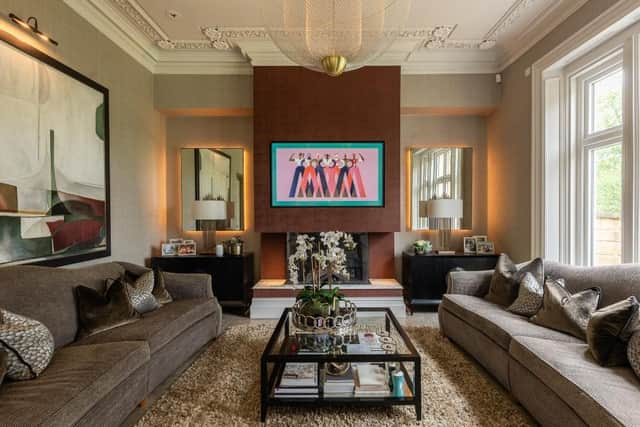
Ben Huckerby, design director of Ben Huckerby Design in Leeds, says the past year marked a turning point. He describes 2024 as “very pared back, understated, almost contemporary, minimalist”, but says clients are now moving towards “more earthy sort of tones” and “a much richer, moodier palette”. Terracottas and muted greens are replacing creams, while colour is being used more boldly across entire rooms. Grey, he says bluntly, “has died a death”.
Pattern is also returning in a big way. Ben notes that fabric houses are forecasting heavy pattern stripes, while wallpapers that resemble tapestries or murals are making a comeback. Organic materials remain central, from natural stone and stained woods to handcrafted finishes. Furniture, too, is changing, with more rounded edges and retro influences appearing, creating what he describes as an eclectic, almost ethnic feel.
How people use their homes is shaping design decisions just as much as aesthetics. Ben says that cinema rooms, once a priority for some, are no longer sought-after.
Home entertainment bars, kitchens designed for gathering and flexible rooms linked to the kitchen are replacing dedicated media rooms. “People are opting for bar-style set-ups more to entertain,” he says, often combined with larger screens in main living spaces rather than separate cinemas.
Across Yorkshire projects, designers agree that interiors in 2026 will feel less formal, less uniform and more personal. The emphasis is on homes that invite people to relax - spaces designed not just to be looked at, but to be lived in.