
Solar panels: Costs, savings and everything homeowners need to know in 2026
Many homeowners have embraced the idea of installing solar panels on their roof to harness the energy of the sun and put it to good use by helping to reduce electricity bills and few have regretted the decision.
The good news is that the cost of installing the panels, aka the solar array, and the accompanying equipmeGreen energynt to capture the sun’s energy has fallen significantly over the past few years.
“Now, the average sized roof array of panels plus battery storage to store the electricity generated stands at around £10,000 all in for the average size home,” says Damian Stansfield from Wooldale Renewables in Holmfirth which specialises in solar panels and battery storage systems along with EV charging points.
For those keen to invest in this technology then scaffolding is a must and that’s an added extra likely to cost anywhere from £500 to £1,000 plus, depending on how large your home is.
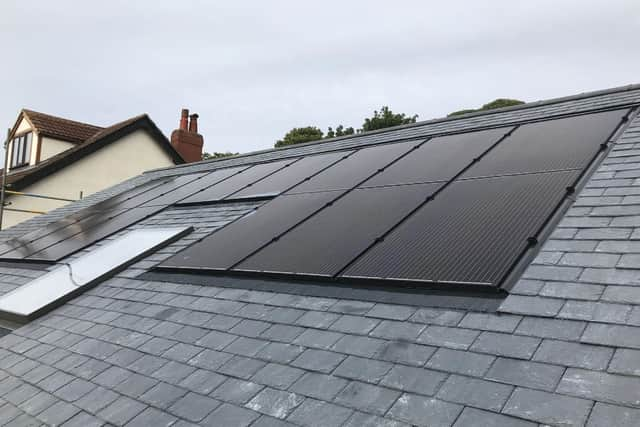

The panels can be put on rails slightly above an existing roof or they can be integrated which involves removing the roof tiles and sinking the panels onto trays to streamline them with the roof tiles, creating a sleeker look.
This also banishes issues such as pest infestation including birds and other wildlife nesting beneath raised panels, which can cause damage to cables and reduce airflow. Raised panels are also more exposed to wind gusts that can put stress on the racking system.
For those contemplating solar energy, be prepared to wait for the best installers with a good track record.
“We are run off our feet at the moment with people wanting solar panels and battery storage and part of that is because there’s a nervousness about what might happen to electricity prices and also because the price of solar panels and battery storage has dropped making them much more affordable,” says Damian who adds: “For a standard semi-detached house we would fit 10 to 12 solar panels with a four and a half kilowatt inverter, though that is creeping up to 465kw so the panels are even more powerful.
“The inverter is inside the house away from the sun and converts the direct current electricity to the useable alternating current, aka AC, which is the power needed to run appliances and and feed energy back into the grid. The inverter also monitors efficiency and highlights any fault with the system.
“Then we add a five to ten kilowatt battery to store the power and this generally sits inside the house or its garage.”
The free, home grown electricity can be used to power your house and your electric car while any energy left over can be sold to the grid.
The great bonus for EV drivers with a charging point connected to solar power is that they can take advantage of being able to charge their car at night when electricity is much cheaper compared with charging in the day. It usually costs 24p per kilowatt hour in the day but this drops to around 7p per kilowatt hour at night.
Damian adds: “Another thing we have noticed is that the payments for exporting your excess energy back to the grid have increased. It used to be 3p per kilowatt hour and now it’s much higher. Octopus are now paying 12p.”
For those with solar panels and those contemplating investing in them, Money Saving Expert has a great guide, freshly updated, on how to get paid top rates for the electricity you export back to the grid from your solar panels.
The payments generated from selling the energy add up and the panels also bring the added benefit of protecting your roof.
For those who want extended functionality and good looks from their battery storage, then the sleek, wall-mounted Tesla Powerwall, which has an integrated solar inverter, is popular, though it comes at a far greater cost compared to the average solar battery.
It is around £8,000 compared to the average solar battery with an inverter which is half that price, but it is highly efficient and protects your home during outages, among other things.
If you are thinking of investing in a solar power then the good news when adding up the costs is that there is zero per cent VAT on domestic installations until March 2027. More positive news comes from the government which has announced a Warm Homes Plan to deliver the biggest investment in home upgrades while harnessing clean energy.
This includes promoting home grown power, such as solar panels. Ed Miliband, Secretary of State for Energy Security and Net Zero, said: “We know installing technologies like solar, batteries, heat pumps and insulation can save families hundreds of pounds a year.”