
Calderdale Energy Park’s project director Christian Egal on why the scheme is needed, and why Walshaw Moor is the right place
Calderdale Energy Park’s project director, Christian Egal, on why the scheme is needed, and why Walshaw Moor is the right place
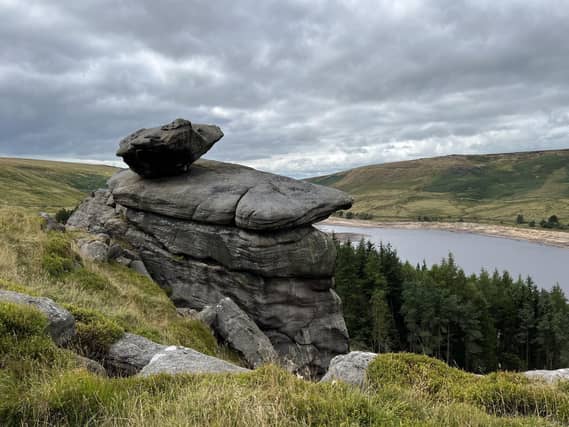

I want to start by acknowledging something honestly: I know many people have concerns about this project. I understand the depth of feeling, and I don’t dismiss any of it. This is a landscape people cherish, tied up with memory, identity and a real love of place. That deserves respect, and I hope this piece reads as part of a conversation, not an attempt to talk anyone around.
So let me simply explain why I believe Calderdale Energy Park is needed.
This summer’s heatwave in the UK and in all Europe, with Yorkshire hitting record-breaking temperatures last month, is a reminder that climate change isn’t a problem for the future. It is a problem today, with wild fires, hosepipe bans and excess deaths. The need to decarbonise is real and it’s pressing. To do this we need a great deal more home-grown renewable energy than we have available today – from onshore & offshore wind and solar in addition to nuclear sources.
But it is not just about the climate. It is also about the cost of living. It’s about protecting people from volatile gas prices and building security into how we power our lives. Calderdale Energy Park could generate enough electricity to power approximately 198,000 homes – with what is now the cheapest form of electricity generation – on the doorstep of Yorkshire’s biggest cities.
I know “why here” is the question that matters most to people living nearby, as it is the case for any development. And it is a fair one. Walshaw Moor offers what onshore wind genuinely needs: strong, consistent wind – similar to some offshore wind farms -, a nearby grid connection to get the electricity into the grid, on a site with enough available land to deliver wind turbines at scale but at a suitable distance away from nearby properties. These site attributes are rare.
Where I hope we can find some common ground is in what this could mean locally. There would be real jobs, in construction and in long-term operation, as well as opportunities for local firms to get involved in the supply chain. We know from Scotland that the places where the first wind farms were built became the bases where businesses grew and took advantage of the opportunity to support other renewable energy projects across the globe.
We’re also committed to a Community Benefit Fund, and rather than arrive with a fixed plan, we want to sit down with local groups and the community to shape what it should support and how it’s run. To be clear, the fund isn’t part of the planning case for the project and won’t be taken into account in the decision, it’s simply about making sure that, if Calderdale Energy Park goes ahead, real and lasting value stays in local communities.
I want you to know that we are listening, and that the feedback we receive does make a difference. Since our first consultation, we’ve reduced the number of turbines from 41 to 34 and removed the battery storage element - changes made in direct response to what people told us. As we review the feedback from this round, the design will keep evolving so that we can continue to make a nationally significant impact on the UK’s electricity supply and preserve the environment as much as we can.
Christian Egal is Project Director Calderdale Energy Park.