
Ofgem price cap: average annual bill to increase by £221 due to Middle East war
The typical household is now facing an annual energy cost of £1,862, up 13 per cent on current levels, Ofgem said, with early forecasts that this will rise further still in October.

Ofgem’s price cap is to rise by, on average, £221 a year from July 1, due to the energy shock from the ongoing conflict in the Middle East.
The jump will equate to a rise of £18 a month for the average household using both electricity and gas, with households seeing an increase of 24 per cent on their gas bills and 5 per cent on their electricity bills.
The typical household is now facing an annual energy cost of £1,862, up 13 per cent on current levels, Ofgem said yesterday, with early forecasts that this will rise further still in October.
The regulator’s chief executive Tim Jarvis said: “Today’s price change reflects continued volatility in global energy markets. This means higher wholesale gas prices, driven by ongoing conflict in the Middle East, is impacting the price we pay for energy.
“We understand many will be concerned about rising prices. While energy use typically falls over the summer months, there are still practical steps households can take to manage costs, including exploring fixed tariffs or changing their payment method. Smart meter customers can also take advantage of half price or cheap electricity at the weekends.
“While our energy supplies remain secure, the best way to limit this exposure is by investing in our energy network.
“That’s why we’re unlocking the funding needed for the biggest transformation of our lifetime to deliver a system that is secure, resilient and works for consumers across Great Britain.”
The supply of gas and oil across the globe has been severely disrupted by the ongoing blockades by the US and Iran of the Strait of Hormuz.
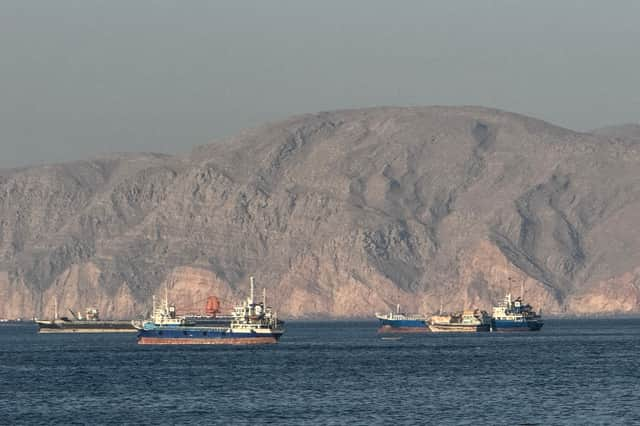

The narrow waterway provides about a fifth of the world’s oil from the Gulf, yet both warring nations are restricting shipping.
Amid ongoing negotiations about a possible ceasefire, the US made strikes against Iran, which it claimed were defensive actions, while Tehran said it would “leave no act of aggression unanswered”.
Energy Secretary Ed Miliband said: “The rise in the price cap because of a war we did not choose is deeply unwelcome news for households across the country.
“We know people were under pressure before this crisis, and that’s why easing that burden is our number one priority.
“We will continue to monitor the situation ahead of the winter and plan for all contingencies.
“In the immediate term it is essential to de-escalate this conflict to bring oil and gas prices down and as Britain faces the second fossil fuel crisis of this decade, we must learn the right lessons.
“The way to get bills down for good and avoid these price spikes is to go further and faster with this government’s drive for clean homegrown power we control. We are upgrading as many homes as possible ahead of winter with the biggest investment in warm homes in British history.”
Cornwall Insight’s forecasts suggest the next cap in October will be at a similar level to July, even if the Middle East conflict were to end soon, because of the physical damage to infrastructure and lingering effect of disrupted supply.
Campaigners have warned over an “extremely difficult winter” ahead for the most vulnerable without extra support on bills.
Calls have been mounting for the Government to set out action to support the most vulnerable, but Chancellor Rachel Reeves stopped short of any immediate energy measures in her cost-of-living plan.
Former Labour prime minister Sir Tony Blair said the Government should scrap its net zero objectives, initially introduced under the Climate Change Bill while he was in No10.
He said: “Britain’s emissions are under 1 per cent of global emissions, we can’t solve climate change, and to impose costs on our own businesses and consumers in order to accelerate net zero when the rest of the world is not doing so – I don’t understand the logic behind it, or shutting down our own oil and gas industry in circumstances where, again, I don’t know another country in the world that’s doing that.”
On Mr Miliband, Sir Tony said: “It’s really a question of explaining to the country, and to Ed, that right now we need to get growth levels up, we need to recognise with this AI revolution that we’re going to need cheap energy.”
He added that “it’s not a question of ripping up the idea of clean energy, it’s a question of abandoning what is an unnecessary accelerated target to fulfil that”.