
10 years on from Brexit, immigration is still key concern for voters - Nick Fletcher
The answer for Brexit is simple, according to former MP Nick Fletcher, that is: immigration.
When running to become Mayor of Doncaster last year, I was approached by an elderly lady. She asked: "Can you help?" I asked what was wrong.
She told me she felt trapped. Prostitution was taking place on one side of her home and drug dealing on the other. Her house had become impossible to sell and she felt she had no way out.
The conversation stayed with me. This is an area I know well. I worked in Hexthorpe, Doncaster, for six years as a young man and still visit regularly today.
For much of my life, where I grew up and have lived for more than fifty years, voting Labour was simply what people did. It had been that way for generations.
Then, 10 years ago, the people of Britain were given the chance to vote on whether to leave the European Union, and everything changed.
This was not a traditional left versus right argument. Conservatives and Labour supporters could be found on both sides. People had to make up their own minds.


It was the biggest democratic exercise in our history, and a decade later people are still arguing about whether it was the right decision.
Nationally, the result was 52 per cent to 48 per cent. In many northern towns and communities, however, support for leaving was far stronger.
Why? The answer is simple: immigration.
For many people in towns and communities like Hexthorpe, Brexit was not about trade deals, regulations, the infamous £350m claim or even sovereignty.
It was about immigration. People know when their communities are changing, and they know whether those changes are for the better or worse.
They know what they see every day. They do not need politicians, commentators or academics living miles away to explain their own communities to them.
That is why Doncaster voted to leave.
People were voting on what they saw around them every day, and they did not like it.
They might not have said it out loud, worried about being labelled racist or a bigot, but in the privacy of the polling booth, they knew exactly what they were voting for.
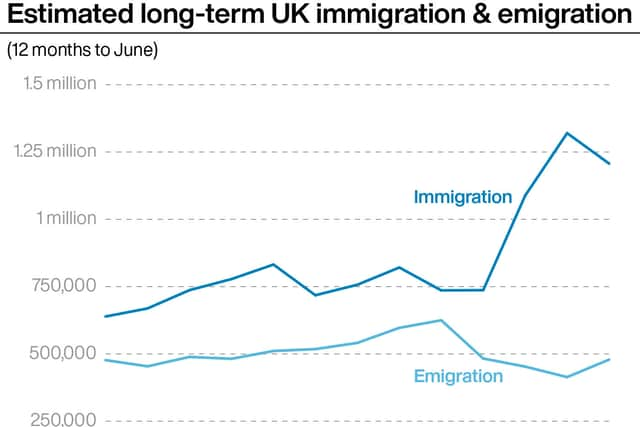
Ten years on, little has changed, and many of those concerns have materialised. Immigration remains the issue raised on doorsteps time and time again. Legal immigration from Europe has fallen, and immigration from elsewhere has declined more recently.
But for many voters, the damage has already been done. They believe their communities have changed beyond recognition, and that is why the issue remains as powerful today as it was in 2016.
For those who voted Leave because they saw economic opportunities, frustration also remains because many of those benefits have yet to be realised.
Meanwhile, some who opposed Brexit point to those frustrations as evidence that leaving was a mistake rather than asking whether those opportunities have truly been grasped.
The challenge remains. Not whether Brexit should have happened, but whether politicians have the courage to regain control of our borders and the competence to deliver the economic opportunities that Brexit made possible.
The polls show that frustration. However, it will take more than words to change it. It will take strength not seen in a leader for decades, and a team with the competence and experience to follow through. Sadly, I am not optimistic.
The failure is not Brexit itself. It is the inability or unwillingness of successive governments to hear the cry from communities that felt ignored and to address the concerns that drove millions to vote Leave in the first place.
Ten years on, the question is not whether people were right to demand change. The question is whether anyone in Westminster intends to listen.
Because if they continue not to listen, the debate about immigration will soon become a debate about emigration. In fact, for many people, it already has.
Nick Fletcher was the MP for Don Valley from 2019 to 2024, and more recently has written The Revival.