
Fiscal devolution is needed but guardrails need to be put in place

Devolution without spending power would see ambitions to empower local communities fall hopelessly short of expectations. As former Treasury Minister Lord Jim O’Neill says: “Without fiscal devolution, mayors and local leaders won’t have the freedom to make real change happen.”
This is underlined by the Institute for Public Policy Research’s (IPPR) latest report, which shows giving mayors in England 5 per cent of income tax would double their local spending power.
The think tank says it would shift £3.8bn a year out of Whitehall and give local leaders greater autonomy to invest in transport, housing and regeneration.
It is widely accepted that local leaders are better placed to make decisions and spend money on the communities that they represent.
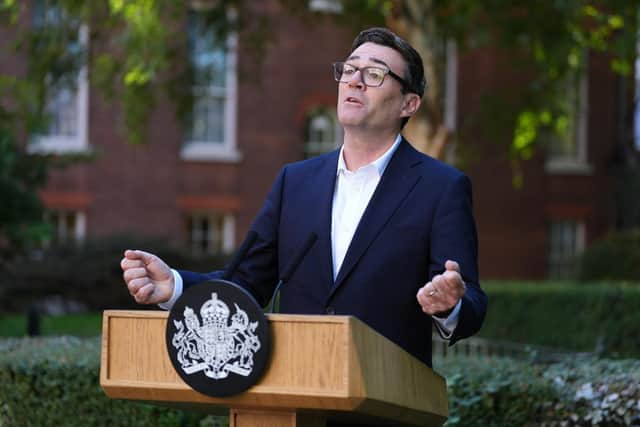

Devolution isn’t just an academic concept, there is real potential for it to transform the lives of those that reside in left behind areas. This disadvantage is through no fault of the people that live in these places but rather an outdated system that other Western European countries have long consigned to history.
Prime Minister Andy Burnham has already signalled that mayors will be allowed to keep a share of the taxes collected in their area.
However, these powers need to come with adequate guardrails to ensure that mayors do not squander taxpayers’ money. A lack of accountability could lead to the democratic deficit widening.
IPPR suggests accountability measures could include regional audit offices so public finances are guarded from overspending and misuse, at national standards.
The Government would also have to figure out how it would prevent inequality from deepening while avoiding alienating more affluent areas. The clamour for money raised locally to be spent locally will be inevitable.