
Food security needs to be at the top of the list of policy priorities

Food security needs to be placed at the top of the list of priorities. It goes hand in hand with the climate crisis that the planet faces.
Britain has become far too reliant on imports, this has left the country vulnerable to external shocks. The war in Ukraine, energy outages across Europe last year and the recent conflict in the Middle East have all served as reminders of Britain’s vulnerability when it comes to food security.
Importing food only adds to Britain’s carbon footprint, at a time when there is a need to drastically reduce emissions. Unfortunately, British farmers have been treated as an afterthought by successive governments. It is gravely negligent to overlook the importance of agriculture. Not only are farmers putting food on the nation’s tables but also custodians of the natural environment.
Climate change can no longer be seen as a factor that affects only far flung places. It is having a noticeable impact here on British shores as well. Farmers have had to contend with extreme weather patterns from prolonged periods of rainfall to extreme dry spells.
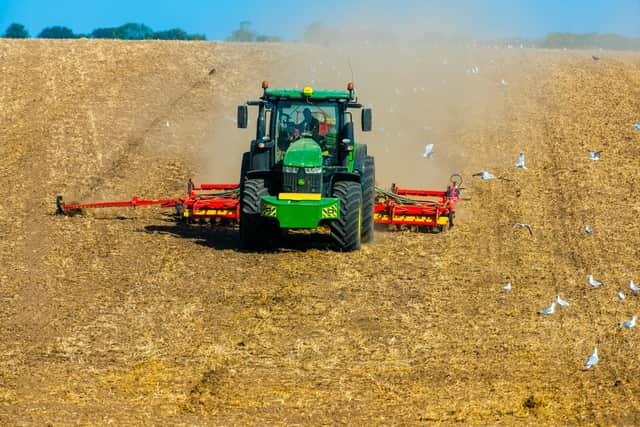

The Climate Change Committee’s Well-Adapted UK report makes it clear Britain is not prepared for the climate risks it is already facing. These risks are already affecting the food system at home and overseas, building pressures on farm businesses, cost into supply chains and onto household food budgets.
The cost of essential food has led to the idea of price caps being floated. But it is hard to see how the Government would be able to apply such a policy without interfering with the market. Predictably, bosses of supermarkets have lashed out at the idea of price caps. One way that food price inflation can be brought under control is by ensuring that supply chains are robust and British farms are sustainable.