
Government intervention needed to prevent further economic damage

The conflict in the Middle East is already putting pressure on household budgets but the situation is widely expected to worsen in the coming months. And the Government has an unenviable economic challenge on its hands.
The Institute for Public Policy Research (IPPR) has warned that a prolonged conflict in the Middle East could cost the Treasury up to £8bn a year through higher debt servicing costs and lower tax revenues.
With little headroom already, the Chancellor can ill-afford having to spend even more servicing debt.
That is why the Government needs to be proactive in tackling this crisis. The Prime Minister has rightly prioritised diplomacy over escalation in the Middle East. The sooner this conflict ends, the better it is for the global economy.
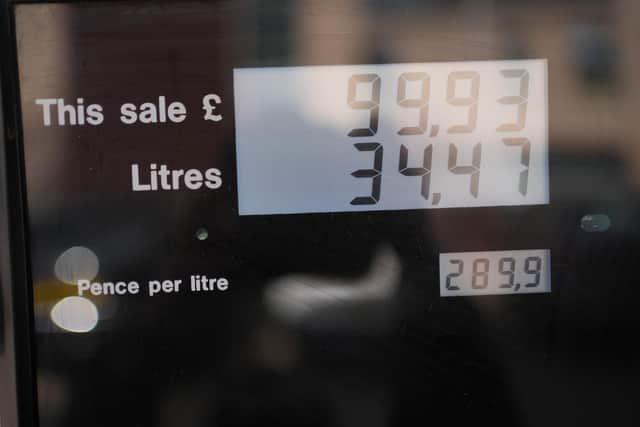

But on the domestic front, the IPPR think tank makes a compelling case for additional support. It recommends capping energy prices at £2,000 and cutting fuel duty by 10p as well as lowering speed limits to reduce demand.
In the face of a climate crisis, cutting fuel duty may seem like the antithetical thing to do.
However, given that Britain is still a long way off reaching net zero, it is important to recognise the reality on the ground, which is that people are paying the price right now for the conflict in the Middle East.
That and a cap on energy prices would not only protect vulnerable homes but could help limit inflation.
This would come at an initial cost to the treasury. However, if the Government is successful with any intervention, then it would prevent more scarring to the economy.
Lessons from the mishandling of the economic fallout from the war in Ukraine need to be learned. Otherwise Britain risks falling deeper into a hole.