
Why the Government should change fiscal rules - Yorkshire Post Letters

From: Bryn Glover, Dallowgill, Kirkby Malzeard, Ripon.
In David Copperfield, Charles Dickens described the character of Wilkins Micawber, whose philosophy of life was to believe always that “Something will turn up”.
He also reckoned his personal finances on the basis that if he spent sixpence over his annual income of £20, the result would be misery, whereas to spend sixpence under, he would achieve happiness.
This may be true on a personal family basis, or when applied to businesses and other institutions, but it is not valid when considering national fiscal financial matters.

Family incomes and outgoing commitments are usually fixed on a short-term basis, but national ministers of finance can do, technically and lawfully, almost anything they choose to do.
They are part of governments who are free to change the rules as they desire and as they are democratically able to do so.
If they plead that they are bound by ‘Treasury Rules’, they need to be reminded that such rules are made by themselves and can be changed almost at will, especially in environments of enormous parliamentary majorities.
It is therefore dishonest of politicians to attempt to compare national expenditure plans, as one well-known politician of the 1980s often did, with the “housewife and her weekly house-keeping allowance”.
The foregoing thoughts have been prompted by observing that the Micawber principle is once again being quoted by politicians at the national level. Once again it needs to be pointed out that the comparison is invalid and frankly dishonest.
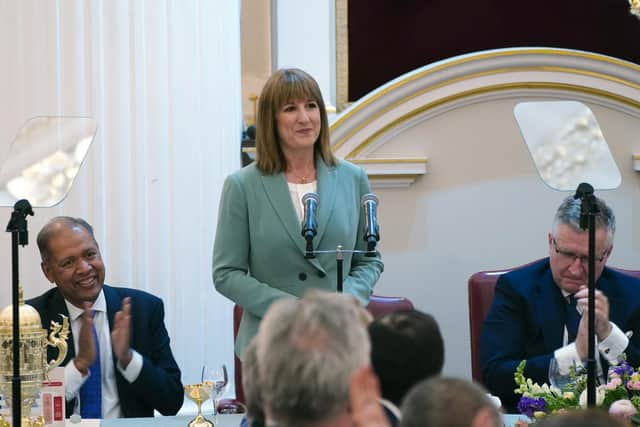
Our government and our chancellor will be accused of U-turns and betrayals whatever course they choose to follow.
So if they need to put more resources into our desperately underfunded public services, then they should go ahead with whatever is necessary.
Our country, like most nations of the rich North-West of Planet Earth, is simply awash with wealth; all that is needed is a little redistribution to make everything more fair and equitable.