
Cut fuel duty and lower speed limits to combat energy crisis, IPPR says
A new report from the Institute for Public Policy Research (IPPR) has predicted that a prolonged conflict in the Middle East could cost the Treasury up to £8bn a year.

Rachel Reeves should bring in a temporary 10p fuel duty cut and lower speed limits to combat rising oil prices from the war in Iran, a think tank close to the Labour government has said.
A new report from the Institute for Public Policy Research (IPPR) has predicted that a prolonged conflict in the Middle East could cost the Treasury up to £8bn a year, through higher debt interest payments and lost tax revenue.
This would quickly start to eat into the Chancellor’s headroom, the amount of money left over in the Exchequer after paying for day-to-day government spending, which was £24bn at the spring statement earlier this year.
IPPR says that consumer price index (CPI) inflation could peak as high as 5.8 per cent, which would feed through to government debt repayments.

The think tank has called for a targeted package of support that it says could reduce inflation, protect growth and avoid the need for damaging interest rate rises.
This includes introducing a temporary energy price cap at £2,000 to limit inflation, and bringing in a short-term 10p fuel duty cut to offset rising oil prices.
Ms Reeves recently told The Yorkshire Post that fuel duty remains “under review”.
The think tank calls for these measures to be paired with policies to reduce energy demand, including, most controversially, lower speed limits.
It claims it could be funded through a strengthened windfall tax on energy profits, and says this would make it “broadly fiscally neutral”.
Sam Alvis, associate director at IPPR, said: “A well-designed intervention, that pairs capping prices with clear incentives to reduce energy demand, would not only protect living standards but prevent the need for damaging interest rate rises, and insure against the risk of more severe damage.
“This is cost-effective, and if permanent damage is avoided, this actually saves the government money.

“Keeping interest rates lower and investment higher prevents any damage to deploying and using clean energy, the long-term solution to crises like this.”
This comes as analysis from the Centre for Cities has found that Doncaster, Bradford and Barnsley are likely to be some of the worst-affected cities and towns impacted by higher energy bills.
Households in Doncaster spend the second-highest share of their disposable income on energy across Britain’s 62 largest cities and towns. People in Bradford and Barnsley are also both in the top 10.
Yesterday, Work and Pensions Secretary Pat McFadden admitted that the economic shock of the Iran war could lead to job losses over the course of the year.
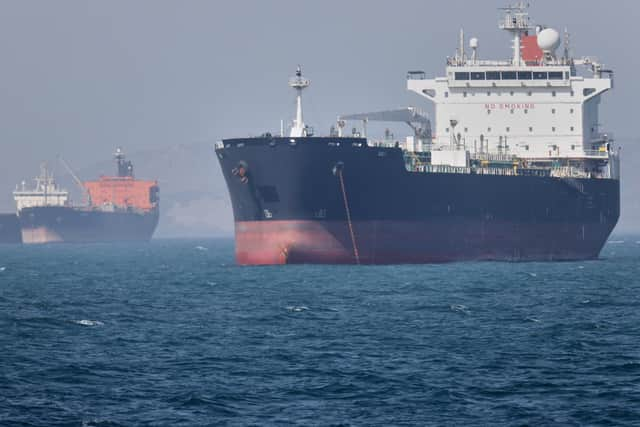
He told Sky News the impact of the continued closure of the Strait of Hormuz, an important oil shipping route, could feed through to the labour market.
The blockage of the strait, through which a fifth of the world’s oil normally flows, has driven energy prices up across the world.
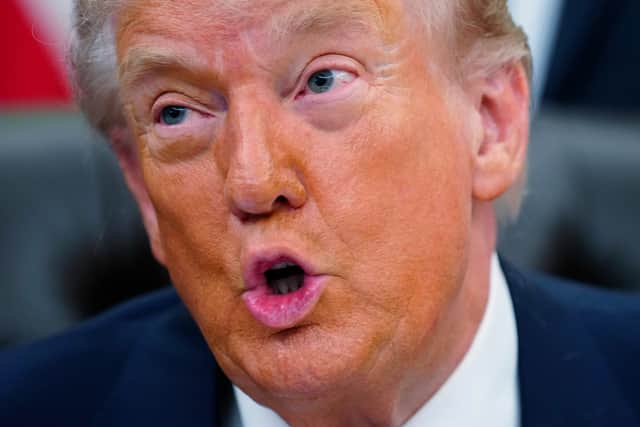
Yesterday, Mr Trump said the US Navy would stop escorting container ships through the narrow waterway, and could recommence a bombing campaign on Iran.
Mr McFadden said the economy had been “going in the right direction” at the start of the year, before the US-Israeli war with Iran began.
He added: “The latest unemployment figures for February showed a fall, interest rates were expected to come down, the markets were pricing in a couple of cuts during the course of the year.
“The truth is, with the effect of the Iran war, we can’t count on any of that at the moment. There is likely to be an effect on prices, which feeds through from energy costs, and there may well be labour market implications.”
Asked if this meant job losses, Mr McFadden replied: “Yes. It could happen.”
A Treasury spokesperson said: “This is not our war and that is why we did not join it. Our priority is de-escalation. We are getting debt and borrowing down while supporting families and businesses through this crisis.
"Thanks to our decisions, the energy price cap has fallen by £117. We have extended the 5p fuel duty cut until September, supporting households using heating oil, boosting pay for millions, and freezing rail fares and prescription charges.”