
'Financial consequences' for welfare rebellion, Cabinet minister warns unruly MPs
There will be “financial consequences” to Sir Keir Starmer’s last-minute climbdown on welfare reform, a senior Cabinet minister has said, as he declined to rule out tax rises.
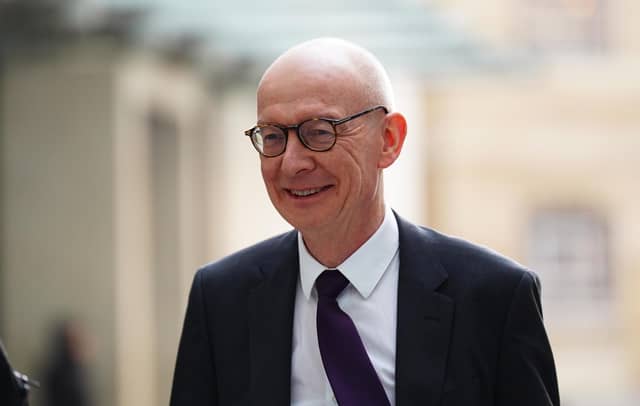


Pat McFadden, one of the four most senior members of government, said ministers “will keep to the tax promises” in their election manifesto, but refused to rule out other hikes.
Rachel Reeves has seen the £4.8bn predicted savings from welfare reforms whittled away through the Government’s changes to plans designed to keep backbenchers onside.
In a humiliating concession on Tuesday evening, ministers shelved plans to restrict eligibility for the personal independence payment (Pip), with any changes now only coming after a review of the benefit.
The Prime Minister had a revolt of almost 50 MPs regardless of the changes.
The Chancellor of the Duchy of Lancaster told Times Radio yesterday there will be “financial consequences” to the decision, and he indicated that it would be set out at the budget expected in the autumn.
Economists at the Institute for Fiscal Studies (IFS) and Resolution Foundation think tanks warned Tuesday’s concessions mean Ms Reeves can now expect no “net savings” by 2029/30 – a key year for meeting her fiscal targets.
Mr McFadden told BBC Breakfast he is “not going to speculate” on what could be in the budget, but said ministers “will keep to the tax promises” in their manifesto.
Asked explicitly whether he could rule out tax rises, the Cabinet Office minister told the programme: “I’m not going to speculate on the budget.
“We will keep to the tax promises that we made in our manifesto when we fought the election last year. But it doesn’t make sense for me to speculate on something where, as I say, there are so many moving parts of which this is only one element.”
Ministers have repeatedly insisted Labour will not raise taxes on “working people”, specifically income tax, national insurance or VAT.
But Ms Reeves also remains committed to her “iron clad” fiscal rules, which require day-to-day spending to be covered by revenues – not borrowing – in 2029/30.
The Institute for Fiscal Studies’ incoming director Helen Miller said: “Since departmental spending plans are now effectively locked in, and the Government has already had to row back on planned cuts to pensioner benefits and working-age benefits, tax rises would look increasingly likely.
“This will doubtless intensify the speculation over the summer about which taxes may rise and by how much.”
Shadow Chancellor Sir Mel Stride said: “Tax rises are on the way to pay for Labour’s mismanagement of the economy.
“Hard-working families will have an agonising summer waiting to hear how Rachel Reeves will claw back the cash to make up for the failings of this weak Prime Minister.”
Despite the last-minute concessions, a total of 49 Labour MPs rebelled and voted against the legislation, the largest revolt of Sir Keir’s premiership.
Overall, the legislation cleared its first parliamentary hurdle by 335 votes to 260, a majority of 75.
Amendments to the Universal Credit and Personal Independence Payments Bill to put the Government’s climbdown into effect were tabled yesterday.
In a sign of how much the legislation has been gutted, the title will be changed to remove the reference to Pip.