
Labour think tank tells Reeves to copy Margaret Thatcher and her windfall tax on banks
Rachel Reeves should introduce a Margaret Thatcher-style windfall tax on banks to recover taxpayer money spent on compensating losses from the Bank of England’s quantitative easing programme, an influential think tank has said.


Hiking a levy on the profits from major firms such as Barclays, Lloyds, HSBC and NatWest could raise up to £8bn a year for public services, according to a report by the Institute for Public Policy Research.
The think tank argues the UK is an international outlier in having its Treasury pay for central Bank losses on its bond-buying QE programme.
This was undertaken on a huge scale after the 2008 financial crisis in an attempt to stimulate the economy, however as inflation and interest rates have risen over the last four years, the Bank of England has ended up facing record losses.
This is estimated to have cost the taxpayer £22bn-a-year since 2021, IPPR said.

This money is then partly being funnelled to bank shareholders due to a “flawed” policy design, boosting profits while millions across Britain continue to face cost-of-living pressures, the report says.
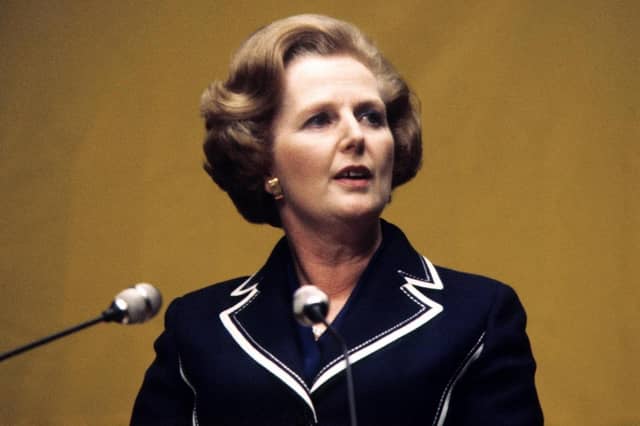
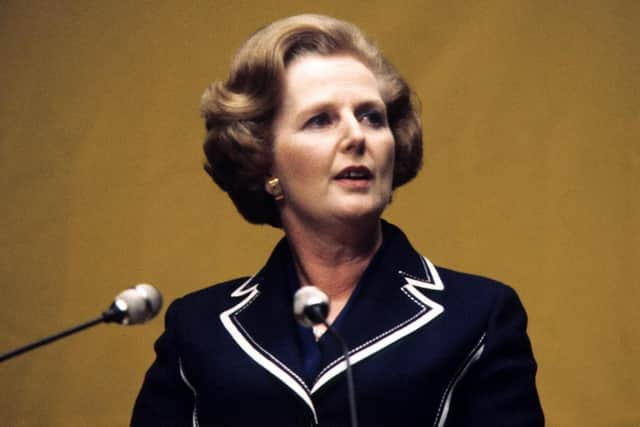
It recommends the Treasury introduce a “QE reserves income levy”, similar to the 2.5% deposit tax imposed on banks under Mrs Thatcher in 1981, to rebalance the existing set-up.
The leading think tank, which worked closely with the Government on its industrial strategy, also called on the Bank of England to slow down its sale of bonds – so-called quantitative tightening (QT) – to save more than £12bn a year.
These two policies together could save more than £100bn over this Parliament, opening up much needed fiscal headroom for the Chancellor, it says.
Under the proposals, the receipts from the banks levy would be used to support “households and growth” and would fall to zero once all QE-related gilts are off the Bank of England’s balance sheet, or when the bank rate reaches 2 per cent, meaning the tax would be temporary.
Given the “targeted” nature of the tax, it should only have a “small impact, if any” on UK banks’ competitiveness and smaller banks should be exempted from the measure, the think tank said.
Carsten Jung, associate director for economic policy at IPPR and former Bank of England economist, said: “The Bank of England and Treasury bungled the implementation of quantitative easing.
“What started as a programme to boost the economy is now a massive drain on taxpayer money.
“While families struggle with rising costs, the Government is effectively writing multi-billion-pound cheques to bank shareholders.
“A targeted levy, inspired by Margaret Thatcher’s own approach in the 1980s, would recoup some of these windfalls and put the money to far better use – helping people and the economy, not just bank balance sheets.”
IPPR’s policy is fairly similar to a Reform UK manifesto commitment at the last election, which called on the Government to stop “indemnifying any losses that might result from QT and for connected purposes”.
It comes amid warnings from economists that tax rises in the autumn Budget are likely needed to plug a hole in the public finances, prompting speculation about which areas the Chancellor might target.
The National Institute of Economic and Social Research (Niesr) has predicted Ms Reeves is now set for a £41.2bn shortfall by 2029-30, and will have to raise taxes or cut spending to plug the gap and meet her fiscal rules.
Reports suggest the Treasury is considering a tax increase on landlords by imposing national insurance on rental income to try and raise cash.