
Middle East war: farmers, food and drink businesses call for government support in face of spiralling bills
Farming, food and drink businesses across Yorkshire are calling for greater government support to tackle the spiralling energy costs caused by the escalating war in the Middle East.

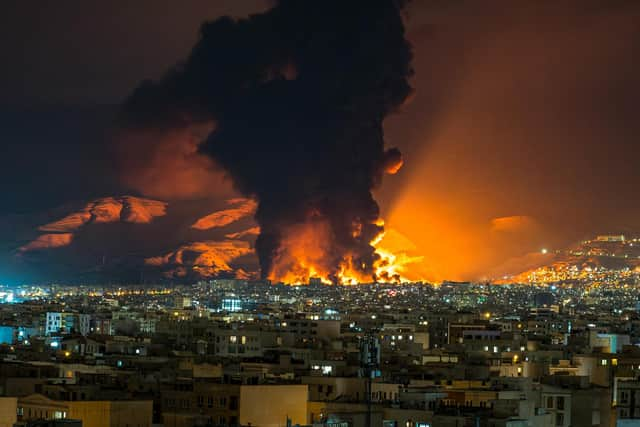
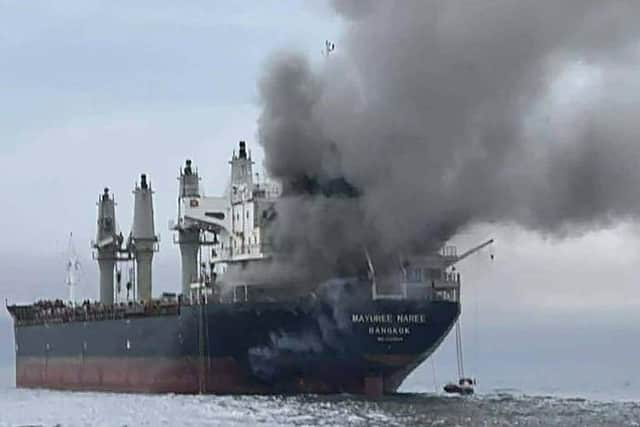
Iran’s blockade of the Strait of Hormuz, a key shipping lane that carries around 20 per cent of global oil consumption, has seen oil and gas prices spike rapidly, with the conflict appearing in danger of spiralling out of control.
Oil prices have jumped above 100 dollars per barrel, despite the release of 400 million barrels from emergency reserves on March 11, with the International Energy Agency (IEA) warning the conflict had triggered “the largest supply disruption in the history of the global oil market”.
Businesses in Yorkshire and the Humber’s multi-billion pound food and drink manufacturing sector have warned of insolvency fears over the huge rise in energy costs.
While households are protected from potential bill rises until July due to Ofgem’s price cap, companies are not included in this and so are even more exposed to the global uncertainty.
The region’s food and drink manufacturing industry is worth £4.1bn to the UK economy, new figures from the Food and Drink Federation, yet the energy-intensive nature of the businesses means they are already being affected by the conflict.

The FDF’s report champions the Nestle site in York, where it has invested over £85m to improve manufacturing efficiency, while Haribo is set to open a new warehouse in Castleford.
The group’s chief executive Karen Betts said: “The last six years has been a rollercoaster of regulatory change combined with geopolitical shocks, all driving inflation and the cost-of-living crisis.
“More often than not, manufacturers are now running to stand still, investing to maintain operations rather than to fit them for the future.
“But if we want a sustainable, resilient food system fit for an island nation, we need companies to be investing in future technologies, new manufacturing methods, new packaging materials and new, healthier ingredients and products.
“We need government to back the future of food manufacturing across the UK by ensuring we’re at least on a par with automotive, aerospace and other sectors.
“It can do this by helping us handle soaring energy costs, as they are with other sectors.”
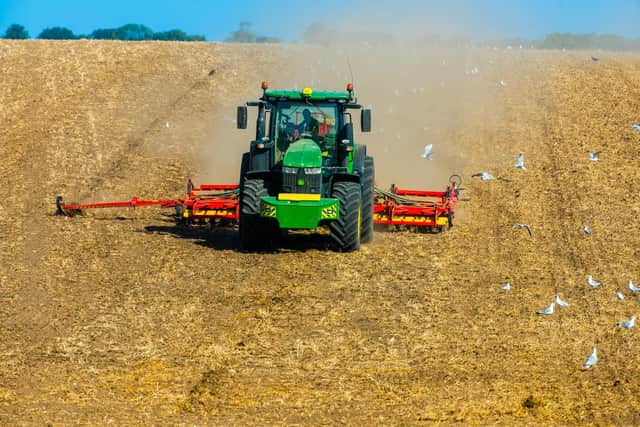
Meanwhile, the National Farmers’ Union (NFU) said some members have reported a 60 per cent increase in red diesel prices, with shortages also being reported because of high demand.
President Tom Bradshaw said: “If these cost pressures persist, which span the whole food supply chain, it could lead to further food price inflation – a situation we’ve already seen play out with the Russian invasion of Ukraine which drove an ongoing cost-of-living crisis here.
“This is something the Government needs to take very seriously. We need to find ways to prevent UK farm businesses becoming collateral damage to global politics.”
This week, The Yorkshire Post asked the Prime Minister’s official spokesman if the Government was looking at support for businesses not protected by the energy price cap.
He responded: “The priority for us is to do all we can to deescalate and end the conflict, and that is the best thing we can do to help the British people, whether it is families or businesses struggling with the cost of living.”
A Government spokesperson added: “From Wensleydale cheese to tea, we’re proud that Yorkshire has such a strong food and drink sector that is making its mark globally.
“That’s why we’re investing £11.8bn in sustainable farming to support food production and strengthen the UK’s food and drink industry, while cutting tariffs to help exporters grow in global markets.”
Downing Street also urged the public to carry on “in normal fashion” despite the IEA’s suggestion that governments should consider advising people to work from home more to reduce demand for oil.
The agency’s list of 10 measures also includes encouraging public transport usage and car-sharing, avoiding air travel and cutting speed limits by 6mph.
IEA executive director Fatih Birol said the proposals provide “immediate and concrete measures that can be taken… to shelter consumers from the impacts of this crisis”.
However, the spokesman said: “This is the IEA’s general advice for countries across the world. It is not in place in the UK.
“We have a diverse and resilient supply. People in the UK should continue to go about their days in normal fashion.”