
'Serious escalation': warnings as gas and oil prices soar after energy attacks in Iran and Qatar

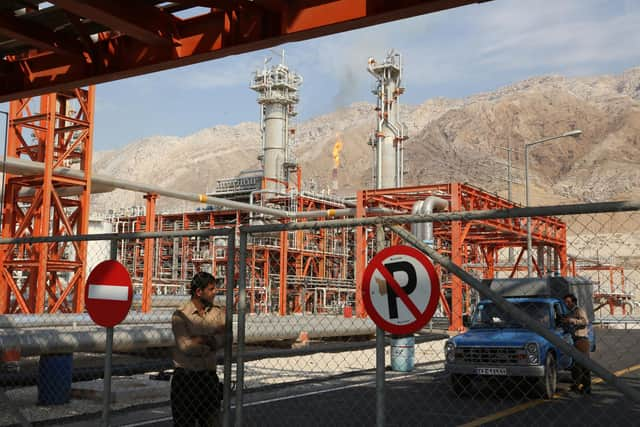
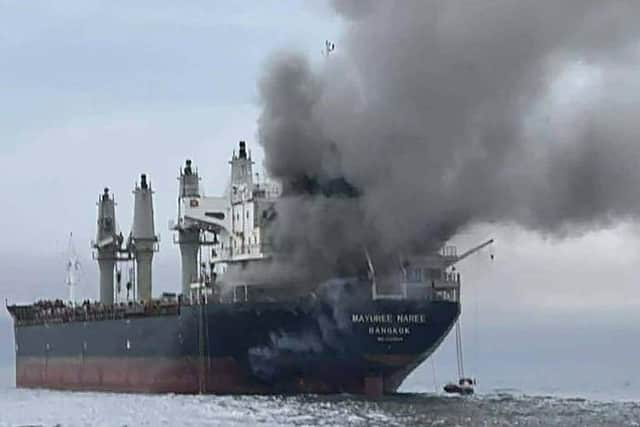
Gas prices have soared to a three-year high and oil prices spiked after attacks on energy sites in Iran and Qatar damaged a Shell plant and stoked fears about disruption to global supplies.
US President Donald Trump said he did not authorise the targeting of energy facilities but threatened to “massively blow up” a key Iran gas field in retaliation if it continues its attacks.
UK natural gas prices spiked by more than 20 per cent yesterday morning to around 172p per therm, which is a unit of heat energy – the highest in three years.
The price of Brent crude oil was rising by about 8 per cent to cross 115 US dollars a barrel.
This means it was closing in on the highest level since the conflict escalated at the end of February.
Defence Secretary John Healey said that energy attacks marked a “serious escalation” of the war, and said that Britain will “step up” defensive support for Gulf allies.
He said that Tehran’s attacks overnight threatened to further destabilise the region as he reiterated the Government’s call for de-escalation.
“They’re a serious escalation,” Mr Healey said. “They further destabilise the region and we will step up the defensive support that we can offer to those Gulf states.”
British forces are already deployed to the Middle East, with RAF jets flying defensive sorties against Iranian drones across the Gulf and British air defence systems protecting critical infrastructure in Saudi Arabia.

UK military planners have also joined the US Central Command to help formulate proposals for opening the Strait of Hormuz, a critical trade route for the world’s oil and gas.
Mr Healey said: “We can see the impact here on the cost of living, the price of fuel, so it’s important that we do everything we can with a lot of other countries that need to be involved in trying to reopen those straits.”
He added that the best way of taking the pressure off world oil prices was “to see a de-escalation and an end to the conflict”.
Meanwhile, Sir Keir Starmer chaired a meeting of the Government’s emergency Cobra committee yesterday morning in response to the attacks overnight.
The Prime Minister also spoke to French President Emmanuel Macron and the Nato secretary-general, Mark Rutte, to discuss what he called the “egregious Iranian strikes” as well as the formulation of a “viable plan” to reopen the Strait of Hormuz.
This comes as the Bank of England signalled it was ready to hike interest rates should the war in the Middle East rumble on.
The Bank kept the rate at 3.75 per cent in a unanimous vote among all nine members of its Monetary Policy Committee (MPC) yesterday lunch time.
The US-Israel war with Iran had caused a significant spike in global energy prices, which was pushing up fuel costs and could lead to higher household energy bills, the MPC warned.
It had therefore decided to keep interest rates the same while policymakers assess developments in the Middle East.
But the MPC signalled that if the conflict persists and has a bigger impact on UK prices, it would need to take a “more restrictive policy stance”, which indicates higher interest rates to control inflation.
Governor Andrew Bailey said that he would “caution against reaching any strong conclusions about raising interest rates” and suggested that markets were “getting ahead” of themselves in predicting multiple rate hikes this year.
Nevertheless, the shifting outlook came as the MPC revised its outlook for UK inflation over the coming months thanks to the recent energy price shock.
It was now expecting inflation to be around 3 per cent in the second quarter of 2026, up from the 2.1 per cent that had been forecast in February.