
Middle East war: Labour under pressure to announce energy support amid economic fall out
Sir Keir Starmer will today pledge that his “Government will always support working people” as the economic fall out from the Middle East war ramps up.

Labour is under pressure not to raise fuel duty for the first time in more than a decade in September as petrol and diesel prices spike, while economists expect the Bank of England to hold interest rates on Thursday over inflation fears.
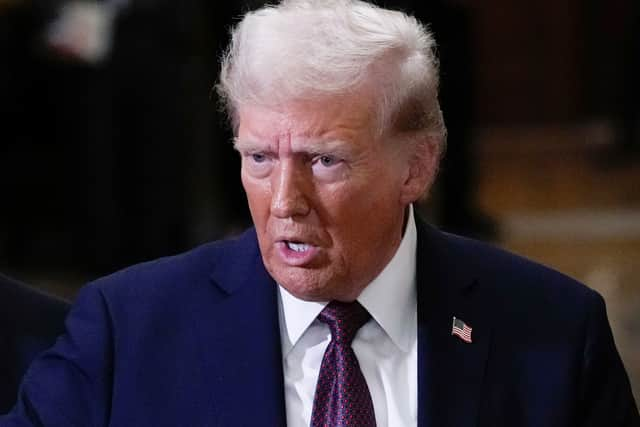
This comes as Donald Trump indicated that the US and Israeli strikes on Iran will continue as "the terms [of the] are not good enough" yet, while Tehran renewed its attacks on Gulf states.
In a press conference on the Middle East today, Sir Keir Starmer is expected to say: “It’s moments like this that tell you what a government is about.
“My answer is clear. Whatever challenges lie ahead, this government will always support working people.
“That is my first instinct – my first priority – to help you with the cost of living through this crisis.”
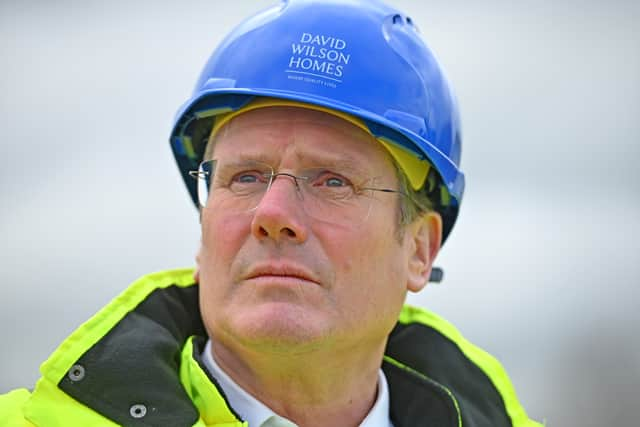

Sir Keir is expected to set out plans to help people in rural areas with the cost of heating oil.
He also renewed the Government’s warnings about profiteering, saying: “I will not tolerate companies trying to exploit this crisis to make money from working people … if the companies have broken the law, there will be legal action.”
This comes after Energy Secretary Ed Miliband hinted the Government is open to halting its plans to raise fuel duty at the end of August.
Fuel duty, the 52.95p per litre tax on fuel paid at the pump, is due to rise for the first time in 16 years.
Ministers have faced calls from their political rivals to U-turn on the planned 1p tax hike in light of the oil price spikes caused by the US and Israel’s war with Iran.
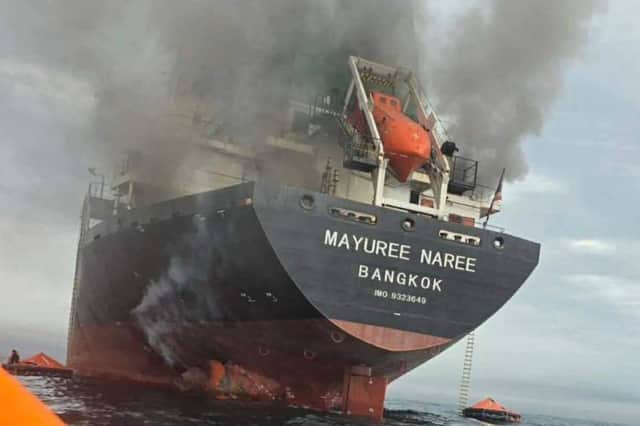
Tehran has been blocking the Strait of Hormuz, a major shipping route used by oil tankers transporting the fuel out of the Middle East, causing global price spikes.
Mr Miliband told the BBC’s Laura Kuenssberg yesterday: “I am sending a clear message, which is we are going to stand by people in this crisis.”
Chancellor Rachel Reeves has signalled the Government will set out a support package for households struggling with energy costs this week.
She told The Times: “I have found the money and we’ve worked through with MPs and others a response for people who are not protected by the energy price cap. We’re giving greater support to those who really need it.”
The cost of the war in the Middle East is being felt all over the economy. Fruit and vegetable producers have warned they may be forced to halt production and end the season early because of the rising price of energy and transportation costs.
Lea Valley Growers Association (LVGA) secretary Lee Stiles warned that supermarket shelves may be empty if nothing is done to support the industry.
He said: “With rising costs, many growers are thinking they might as well send the staff home, stop for the season and not produce anything.
“They’re going to have to make a decision in the next few weeks as to whether or not it’s going to be economic to continue for the rest of the year.”
In York, Sir Ed Davey told the Liberal Democrat spring conference that Britain must de-tangle its nuclear deterrent from America, so it is no longer dependent on Donald Trump.
Britain’s Trident nuclear missile system is operationally independent, meaning the Government could use the weapon should it believe it necessary.
But the Lib Dem leader argued that the American manufacture of the missiles, and the reliance on US maintenance, means the deterrent is not truly independent.
He said: “Britain’s nuclear deterrent must be genuinely, verifiably ours – not dependent on Trump or whoever his successor may be.
“Trump has proven we can’t rely on America as a dependable ally.”