
Population growth grinds to a halt as net migration drops to tens of thousands

The UK’s net migration has plummeted to an estimated 77,000, the lowest level in nearly 30 years excluding the coronavirus pandemic, with experts warning this could affect the Prime Minister’s pledge to reindustrialise the North.
The figure, which covers the 12 months to June, is down nearly two thirds from 204,000 in the previous period, according to the Office for National Statistics (ONS).
It is the lowest annual total – which calculates the difference between the number of people arriving and leaving the country – since 1997, when 48,000 was recorded.
This is except amid the Covid-19 outbreak when travel restrictions saw the figure drop briefly as low as 35,000.
It comes more than 16 years after David Cameron famously staked his political reputation on bringing net migration below 100,000.
Today’s figures prompted a political squabble, with both Labour and the Tories vying for credit over the figures.
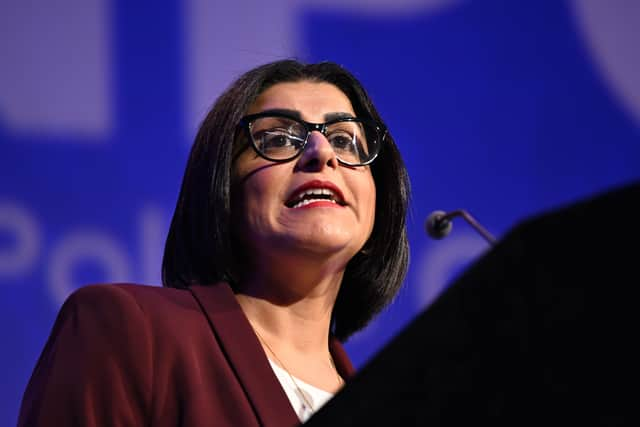
Home Secretary Shabana Mahmood said: “This Government has restored control.
“We have brought net migration to 77,000, down 92 per cent from its peak under the Conservatives.
Black Friday deal: get a whole year of The Yorkshire Post for just £12. That's £1 a month, saving over 80% on the usual £69.90 a year.
You'll get unlimited access to every premium article, daily puzzles and an ad-lite experience. New subscribers only. Offer ends Thursday, December 3.
“Where they failed, we have delivered for the British people.”
Her Tory counterpart Chris Philp said: “The fall in net migration is mainly a result of changes made by the previous Conservative government.
“We now need to go even further with a legally binding annual cap, set by Parliament, at a far lower level.”
The ONS said net migration had “fallen to levels not typically seen since the 1990s” and described the continued reduction as being driven by fewer people from outside the EU arriving in the UK to work or study.
However, think tanks warned any reduction in skilled workers arriving could impact some of the Government’s objectives.
Marley Morris, IPPR’s associate director for migration, trade and communities, said: “The sharp fall in numbers reinforce that the UK does now have control over immigration, given the reduction is a result of a series of policy measures taken by governments over the past three years.

“While it is unlikely numbers will stay this low, the exceptional highs following the pandemic are now firmly behind us.
“But the government must make sure it doesn’t overreach. Its mission to 'reindustralise' the UK requires an immigration system that helps to recruit workers critical to our industrial strategy.
“We also need a competitive regime for international students that supports our university sector and helps to boost a critical British export.”
The figures also meant that the UK’s population growth has ground almost to a complete halt.
The total population is estimated to have increased by just 0.12 per cent in the year to June 2026, from 69,483,900 to 69,564,000, according to provisional data from the ONS.
It is the lowest level of growth since 1983, when the figure was 0.04 per cent.
The annual rate of growth has slowed sharply in recent years, after peaking at 1.34 per cent in the 12 months to mid-2023.
It fell to 0.97 per cent in 2024 and 0.33 per cent in 2025, before dropping close to zero in the latest 12 months.