
The North Yorkshire small businesses forced to close because of Brexit
“Yorkshire was particularly poorer because of the importance of farming, manufacturing and food production,” North Yorkshire business owner Jo Foster said.

“The problem with Brexit is that it stopped you climbing the ladder,” a small business owner from Richmond reflected 10 years after the referendum.
Jo Foster used to own two firms, a manufacturing company which made aromatherapy candles, called Kiss The Moon, and Boom Innovation, a marketing company.
The former, set up in 2014, was sold two years ago and “that absolutely was a direct result of Brexit”, she explained.
“Everybody is poorer in Britain now, so disposable income is now being chased harder than ever before and people just don’t have that spare money,” she explained.

“Yorkshire was particularly poorer because of the importance of farming, manufacturing and food production - and at Kiss the Moon they were my customers.
“I was selling products that help you sleep, things that were about your quality of life, and I think every single person pulled back on those.”
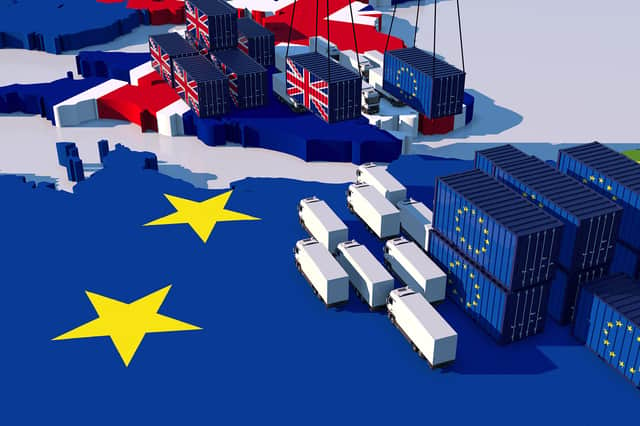
But Ms Foster said: “The big thing that killed lots of businesses, and was definitely a contributing factor of me wanting to get out of Kiss The Moon, was just the red tape.”
“It felt like every way you turned small businesses were being put under so much pressure.
“There was a form for everything, there were delays. Big businesses could set up new departments to manage it - little businesses just gave up.”
Kiss The Moon had just started selling its products in Europe, but “we just stopped”, Ms Foster explained.
“That was a major market on our doorstep which we had started selling to, which we just had to pull out of.”

On top of that, the cost of the essential oils for the candles - which were imported from Spain and France - went up.
Ms Foster said that the “low point” was when the firm had been accepted into Boots, and had to change 18 months’ worth of packaging to comply with new rules stating products had to have an EU address on if they were being sold in Europe.
“We had to do a deal with somebody in Ireland, this beautiful packaging had to be rebooted and we had to sticker something onto all the packaging because we had to have this extra address,” she remembered.
Ms Foster was not the only person in Richmond to sell or close their business in part due to Brexit.
In 2023, four local firms closed, including Ravensworth Nurseries, which traded for 57 years, and York House Antiques.
At the time, Paul Harrison, chair of the Original Richmond Business and Tourism Association, said: “I think the environment that has been created for businesses now is the most difficult I’ve ever known.
“It is the combination of all these different things and, yes, Brexit is part of the formula.
"People don’t want to talk about Brexit and I don’t understand why. Even the most straightforward thing like the exchange rate – anything that has been imported, including food, has been impacted by Brexit."
In Richmondshire, the district council at the time, residents voted to leave the EU by 57 per cent to 43 per cent.
The economic impact of Brexit may not have been as disastrous as outlined by then Chancellor George Osborne during the referendum campaign, but it has still been significant.
The former chairman of the Office for Budget Responsibility, Richard Hughes, has said the impact of Brexit on the UK economy is on the same magnitude as the Covid pandemic and energy crisis.
He estimated that “in the long run, [Brexit] reduces our overall output by around 4 per cent compared to had we remained in the EU”.
The value of the pound - which dramatically plummeted the night of the referendum as the results filtered through - remains lower than before June 23 2023.
Growth has slowed, while red tape and barriers to trade have gone up, reducing goods exports from the UK.