
Hawes: 20mph zone proposed amid concerns over motorbike noise and speeding

A 20mph speed limit has been proposed in Hawes town centre under proposals aimed at tackling noise, speeding and parking problems caused by visiting motorcyclists.
The measure is among a series of improvements identified in a new investment plan for the Wensleydale market town, which also highlights concerns about traffic congestion, tourism pressures and the difficulties facing local residents and businesses.
The Vision for Hawes document proposes feasibility work to establish whether a 20mph zone is needed, alongside a review of parking arrangements and measures to improve road safety.
The report, produced through North Yorkshire Council’s Town Investment Plans programme, says the aim would be to reduce noise, speeding and parking problems associated with visiting motorcyclists, making the town centre safer and more pleasant for residents and visitors.
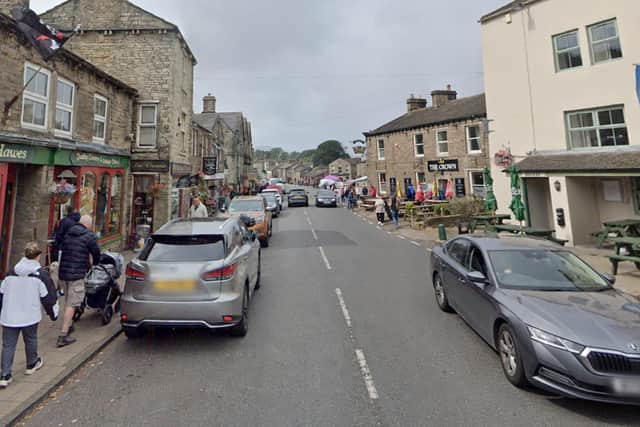

It also suggests improved signage and seasonal messages to help manage congestion during busy periods.
However, the document stresses that evidence of the need for a 20mph zone and any future parking changes would have to be established before restrictions could be introduced.
The proposals follow consultation with residents, businesses and community organisations, which identified concerns about the impact of tourism on the town.
These included noise and disruption from motorcycles and caravans, parking problems during peak periods and a perception that tourism does not always benefit the local community.
But Jill McMullon, chair of Hawes and High Abbotside Parish Council, was not convinced a 20mph limit would help.
She added that it was not just motorcyclists who were guilty of speeding, adding: “I don’t think traffic going through the town centre is particularly the problem. It’s the approaches into Hawes that are a massive issue. That’s what really needs addressing.
“There are endless accidents on the Ingleton Road, particularly around Honeycott and further up. Every weekend, especially during the summer, there seem to be accidents along there.
“That’s where we need to get traffic under control, rather than concentrating on the town centre itself.”
The report said residents also highlighted the need for repairs to the town’s cobbled streets, better street cleaning, improved pedestrian routes and more attractive public spaces.
The document proposes creating better walking and cycling connections between key attractions, including Wensleydale Creamery, the Market Place, Dales Countryside Museum and Hawes Auction Mart.
It also suggests reviewing signage throughout the town, including new signs on main roads promoting the weekly market.
Other potential improvements include new public facilities, cultural and heritage trails, and more activities for children and families.
The investment plan also raises concerns about Hawes’ declining and ageing population.
The population of the wider area fell from 1,312 in 2001 to 1,212 in 2022, while just 11.72 per cent of residents are aged under 16, compared with 18.5 per cent nationally.
Meanwhile, 28.63 per cent are aged 65 or over, significantly above the national average of 18.61 per cent.
The report warns that young people are leaving because of limited employment opportunities, high living costs and a shortage of affordable housing.
It also identifies second homes and holiday lets as contributing to the shortage of properties available to permanent residents, while local businesses are struggling to recruit staff.
Proposals to address some of these issues include creating an enterprise hub in underused buildings, supporting apprenticeships and establishing a programme of activities and support for young people aged 11 to 18.
The document also acknowledges support for reopening the railway between Hawes and Garsdale but concludes that the cost, scale and complexity mean the project is unlikely to be delivered within the plan’s five-year timeframe.
Instead, the proposed walking and cycling route along the former railway is identified as an opportunity to attract visitors.
The Hawes plan is part of a wider programme covering 32 towns across North Yorkshire, funded by York and North Yorkshire Combined Authority