
Labour is 'penny pinching from rural areas' by increasing bus fare cap to £3 ahead of Budget
The Prime Minister is “penny pinching from rural areas” with his announcement that the £2 bus fare cap will be replaced by a new £3 cap until the end of 2025, a North Yorkshire councillor has said.

Sir Keir Starmer revealed yesterday that the fare cap would not be scrapped in tomorrow’s Budget, but instead increase by 50 per cent.
He said: “I do know how much this matters, particularly in rural communities where there’s heavy reliance on buses.”
Labour announced the £3 cap amidst a total of £1 billion new funding for bus services.
Sir Keir’s comments came after reports that the government was going to scrap the £2 fare cap, which is in place on many routes across Yorkshire. The biggest saving per journey in England is the £13 between Leeds and Scarborough.
Coun Keane Duncan, executive member for highways and transport at North Yorkshire Council, had warned the Chancellor that this would have “catastrophic consequences” for the county’s rural routes.
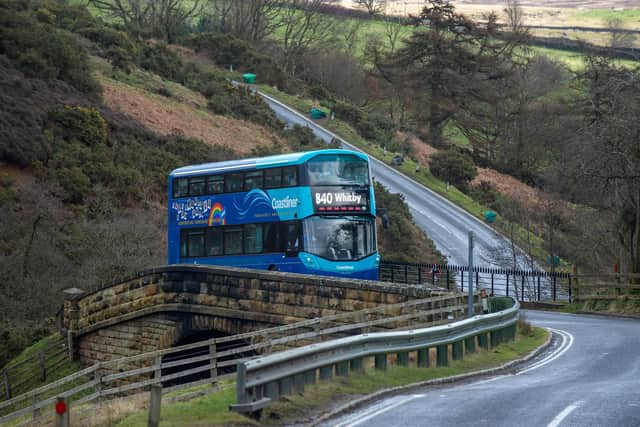

He had told Rachel Reeves that the 840 from Whitby to Leeds, named Britain’s most scenic bus route, is only running today because of the uplift in passengers generated by the cap.
The Tory councillor said: “Keir Starmer has given in, but only after pleas from rural communities like ours not to scrap the cap. It’s wrong that we have had to fight so hard to save an initiative that is particularly essential for bus services in communities like ours.
“The small saving this will generate means the decision feels like penny pinching from rural areas, when the major cities have seen billions invested in transport there.
He added: “There are also fears for the future of the cap after next year. We’re facing another increase or even the cap being scrapped altogether.”
A Labour source told the Yorkshire Post that “the Tories had only funded the £2 fare cap until the end of 2024 - this decision stops fares being hiked overnight”.
They said Transport Secretary Louise Haigh had “fought hard” for the £3 cap during the Budget process, adding: “We know how important it is for rural routes.”
South Yorkshire Mayor Oliver Coppard told this paper that “revenue bus funding” was top of his list for the Budget.
He said: “South Yorkshire’s bus services have been in steady decline for a number of years as a result of not getting funding from the previous government.”

Within the £1bn, Ms Haigh said £925 million would go towards improving bus services across England
She said: “Buses are the engines of economic opportunity across the country. We know that reliable, affordable bus services are vital to keeping Britain moving.
"That’s why the Government will cap fares at £3 for an additional year and provide over £1 billion to deliver better bus services.”
Henri Murison, chief executive of the Northern Powerhouse Partnership, said the bus cap “disproportionately benefits” rural areas over city regions.
He explained: “We need investment in buses - and fare caps and simpler fares like the £1 anywhere in Keighley fare are a good idea as part of wider improvement.
“A £3 cap means a big subsidy for longer distance bus journeys - the disproportionate benefits to rural areas mean there needs to be more funding for city regions where growing bus patronage is also important.
“Bluntly, the last government failed to invest - particularly in South Yorkshire - the area receiving not a single penny when they last bid into a competitive pot.”
Bus fares in West Yorkshire will not increase to £3 as they are protected by Tracy Brabin’s “mayor’s fare”.