
Winter loneliness: How to beat the blues and keep a positive mindset in the cold, dark months
Have you ever experienced a sense of loneliness creep up on you out of nowhere during the winter period? The colder weather can make socialising more difficult and less appealing which can provoke a flurry of negative emotions.
But what factors contribute towards this seasonal wave of loneliness? And is there anything we can do to combat it?
Why do people often feel lonely in the winter?
The prolonged periods of darkness during winter can impact our emotional wellbeing.
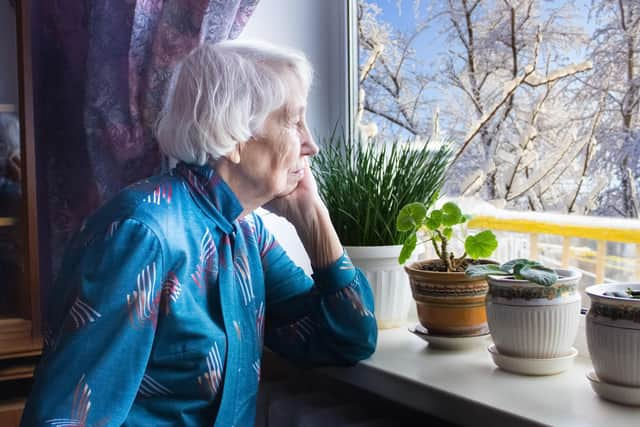

“During winter we spend less time in direct or visible sunlight, reducing the body production of vitamin D which plays a role in our feelings and mood regulation,” highlights Dr Rachael Molitor, chartered psychologist and lecturer at Coventry University.
“Sunlight also influences serotonin levels, a neurotransmitter that also regulates mood, and melatonin, a hormone that plays a role in sleepiness.
“With these biological changes due to the darker, shorter days across winter, we can feel more negative, focusing on thoughts and feelings associated with this, such as loneliness.”
Winter can be a particular challenging time for the older generation who live alone.
“This is due to a number of factors around mobility and transport, health concerns, or isolation due to reduced availability of other people at this time,” explains Molitor. “Decreased mobility may limit the possibility for older adults to get out and about, thus reducing social opportunities that others may have.”
However, we have spoken to some mental health experts who have suggested several things we can do to overcome any feelings of loneliness which may arise over the next couple of months.
“Feeling lonely is not a weakness – it’s a signal that you have social needs which are not being met,” says Lisa Gunn, mental health prevention lead and senior clinician at Nuffield Health. “When we speak about our problems, it helps us feel less alone in them.”
If distance is an issue, set up a family Zoom or FaceTime. “Even if you can’t be in the same place as your loved ones, with technology these days, there’s no reason why you still can’t spend time together on Zoom or Skype,” says Stacey Chishiri, occupational therapist at Cygnet Health Care.
Connecting with people who have similar interests is another idea. “Write a list of the things you love to do and then explore the online content created by people who share your passion, or if you don’t have access to the internet – check if there’s any in-person groups in your area,” says Gunn. “Even just watching someone talk about something you’re interested in can help you feel enthused, engaged and less alone.”
Journaling can also help, as can getting lost in a film or book.
“Writing down thoughts, whether positive or negative, helps you to process your emotions,” explains Chishiri.