
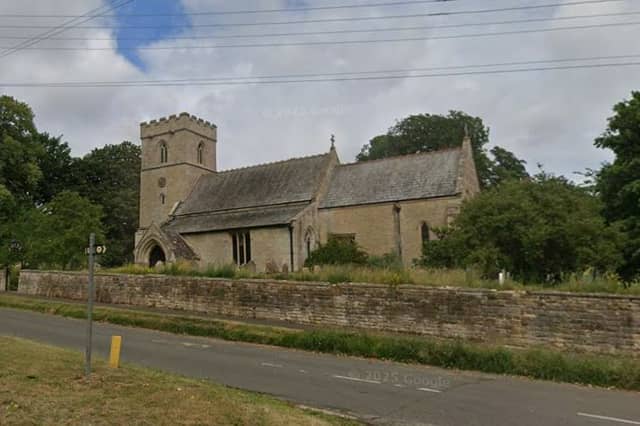


Many of the most bizarre titles for the country’s towns, villages, hamlets and streets offer a fascinating insight into the history of that area.
In some cases, the origins are fairly clear, with the roots often found in Old English words or the names of the region’s wealthiest and most powerful families of yesteryear.
In other instances, the derivation is somewhat muddier, with several competing theories, from the poetic to the more prosaic.
Some of the local legends behind these place names certainly make fantastic stories, even if they’re not the most historically accurate.
This photo gallery takes you on a whistle-stop tour around the UK, stopping off at some of the places with the funniest and oddest names, and attempting to get to the bottom of how they came to be called what they are.
They include one place with two names, depending upon which direction you approach from; another named after an apocryphal encounter between Mary, Queen of Scots, and a fortune teller; and a third referring to the area’s disreputable past.
Some of the names are so brilliant that those places, including one of the UK’s shortest streets, have become tourist destinations in their own right.
Have you visited any of these places, and what is your favourite place name? If you enjoyed this article, you might like this look at some of the UK’s ugliest buildings which have been reduced to rubble.
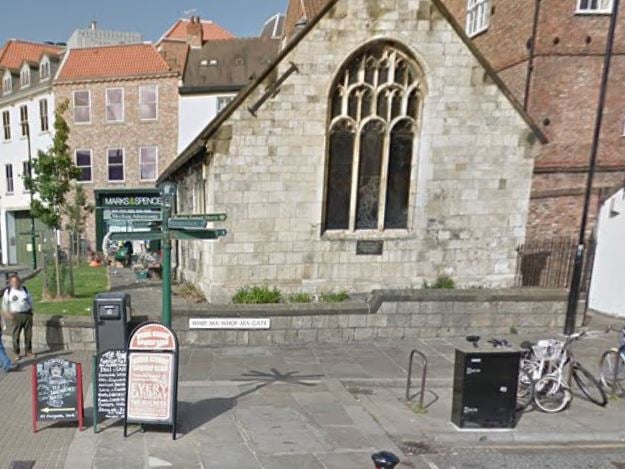
17. Whip-Ma-Whop-Ma-Gate
Probably York's shortest street, but with perhaps the longest name. Much debate surrounds the precise origins of its striking moniker. One explanation is that it refers to the practice of whipping whappets, or small, yelping dogs, which is believed to have happened there. But, given the street's name was first recorded in 1505 as Whitnourwhatnourgate, it's perhaps more likely that this meant either 'what a surprise' or 'neither one thing nor the other' - the latter perhaps making more sense given its length. | Google
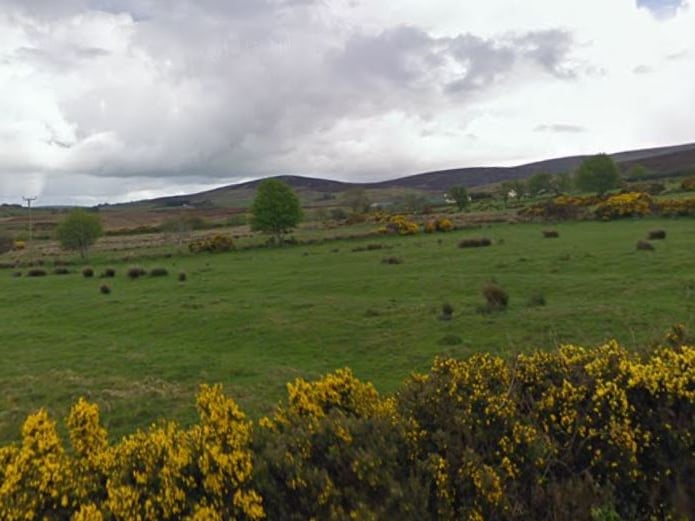
18. Stranagalwilly
The townland of Stranagalwilly in County Tyrone, Northern Ireland, takes its name from the Irish words 'Srath na Gallbhuaile', meaning 'river-meadow of the stone milking place', with a stone milking place or booley being a type of temporary cattle enclosure. | Google
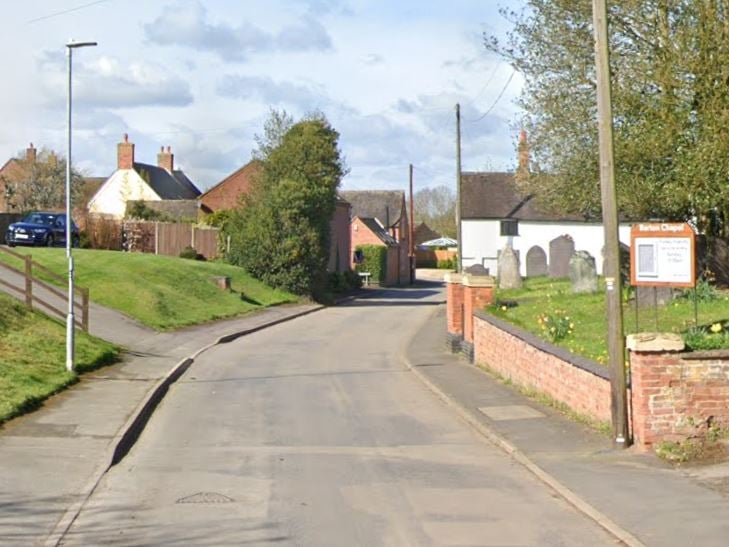
19. Barton in the Beans
This hamlet in Shackerstone, Leicestershire, is one of many Bartons in the UK, with that part of the name probably referring to a grange, or outlying farm within an estate. The 'in the Beans' part relates to its history of cultivating broad beans. There is a local saying which states: "Shake a Leicestershire man by the collar and you may hear the beans rattle in his belly." | Google