
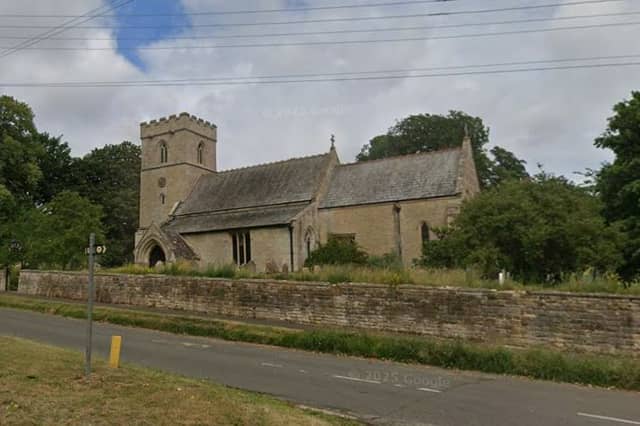


Many of the most bizarre titles for the country’s towns, villages, hamlets and streets offer a fascinating insight into the history of that area.
In some cases, the origins are fairly clear, with the roots often found in Old English words or the names of the region’s wealthiest and most powerful families of yesteryear.
In other instances, the derivation is somewhat muddier, with several competing theories, from the poetic to the more prosaic.
Some of the local legends behind these place names certainly make fantastic stories, even if they’re not the most historically accurate.
This photo gallery takes you on a whistle-stop tour around the UK, stopping off at some of the places with the funniest and oddest names, and attempting to get to the bottom of how they came to be called what they are.
They include one place with two names, depending upon which direction you approach from; another named after an apocryphal encounter between Mary, Queen of Scots, and a fortune teller; and a third referring to the area’s disreputable past.
Some of the names are so brilliant that those places, including one of the UK’s shortest streets, have become tourist destinations in their own right.
Have you visited any of these places, and what is your favourite place name? If you enjoyed this article, you might like this look at some of the UK’s ugliest buildings which have been reduced to rubble.

13. Squeeze Gut Alley
While the roots of many UK place names remain unclear, the origins here are as plain as day. Simply put, you have to hold your tummy in to make it through this narrow passage in the seaside town of Whitstable, Kent. Its humorous name has made it a popular tourist attraction. | Google
14. Salamander Street
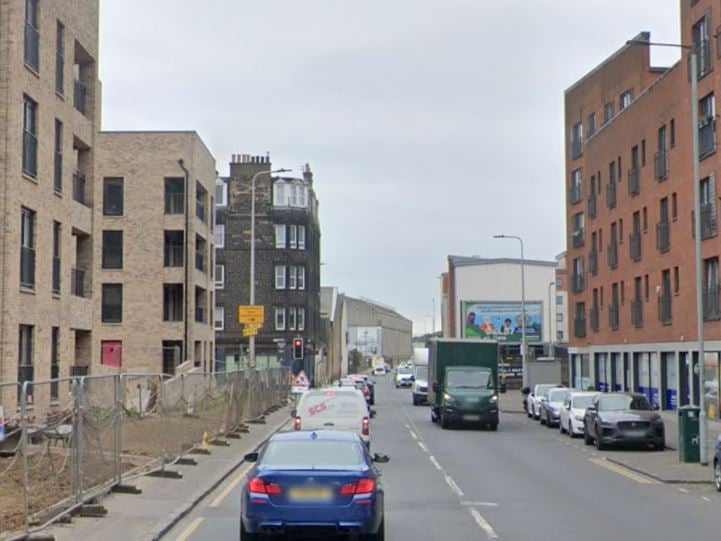
This road in Leith, Edinburgh, takes its name from its industrial heritage. The old Edinburgh & Leith Glass Works was located here and the salamander lizard, which folklore has it can withstand the flames of a fire, is supposedly the only creature that could have survived the fiery conditions there. | Google
15. Mabgate
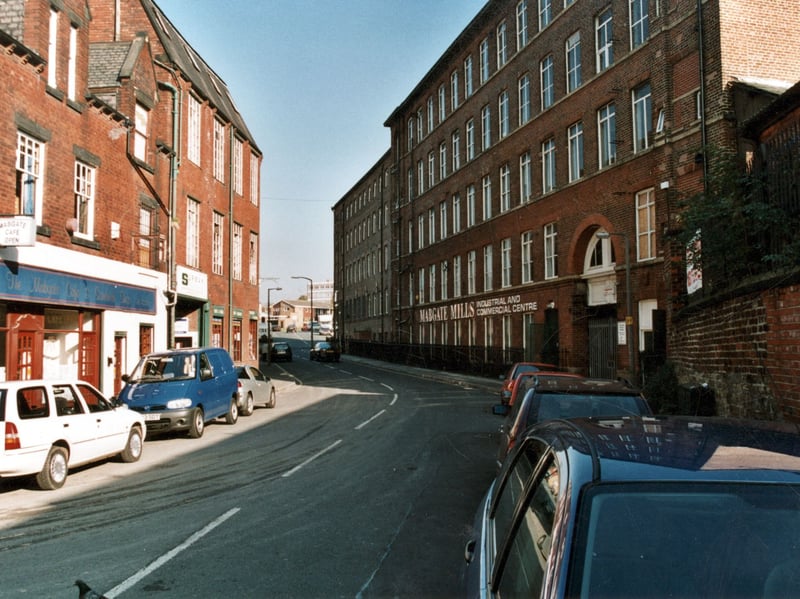
This street just outside Leeds city centre sounds innocent enough but its origins reveal a different story. The name is thought to be a contraction of 'Mable Gate', with Mable being a Middle English term for a 'loose women', possibly referring to the area's past as a red-light district. | Leeds Libraries, www.leodis.net
16. Once Brewed/Twice Brewed
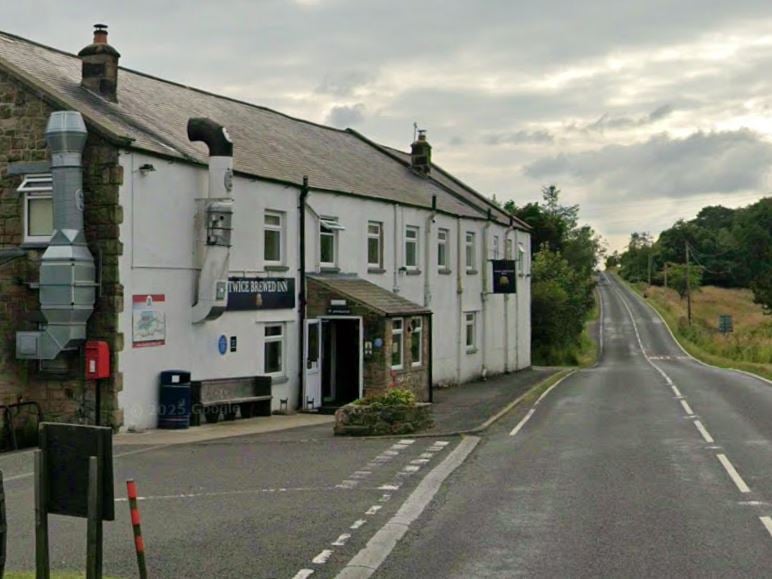
This village in Northumberland, near Hadrian's Wall, has two names. Approach from the east and you'll be greeted by a signpost for Once Brewed, but arrive from the west and you'll be welcomed to Twice Brewed. The origins of its dual name are unclear, but one theory behind the Twice Brewed moniker is that a group of Yorkist soldiers were drinking there the night before the Battle of Hexham in 1644 and complained that the beer was too weak and must be brewed again. Whatever they ended up drinking did the trick, as the next morning they routed the Lancastrians in a decisive victory. Alternatively, the inn may have simply been promoting its stronger ale at a time when weaker tipples were the norm. The Once Brewed title, meanwhile, is believed to come from a youth hostel opened in the 1930s by Lady Tevelyan, who was a teetotaller. She apparently declared it would serve nothing stronger than 'once-brewd' tea. | Google