
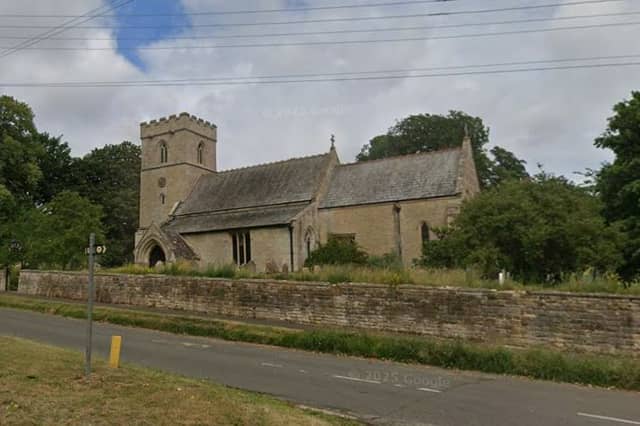


Many of the most bizarre titles for the country’s towns, villages, hamlets and streets offer a fascinating insight into the history of that area.
In some cases, the origins are fairly clear, with the roots often found in Old English words or the names of the region’s wealthiest and most powerful families of yesteryear.
In other instances, the derivation is somewhat muddier, with several competing theories, from the poetic to the more prosaic.
Some of the local legends behind these place names certainly make fantastic stories, even if they’re not the most historically accurate.
This photo gallery takes you on a whistle-stop tour around the UK, stopping off at some of the places with the funniest and oddest names, and attempting to get to the bottom of how they came to be called what they are.
They include one place with two names, depending upon which direction you approach from; another named after an apocryphal encounter between Mary, Queen of Scots, and a fortune teller; and a third referring to the area’s disreputable past.
Some of the names are so brilliant that those places, including one of the UK’s shortest streets, have become tourist destinations in their own right.
Have you visited any of these places, and what is your favourite place name? If you enjoyed this article, you might like this look at some of the UK’s ugliest buildings which have been reduced to rubble.
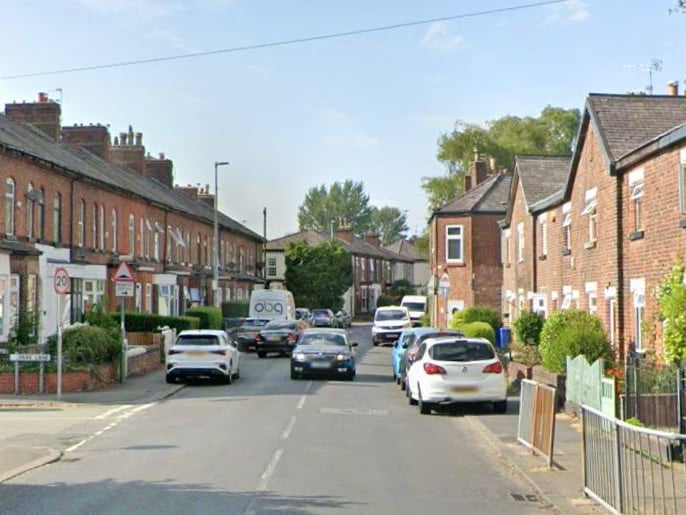
9. Irlams o' th' Height
The origins of this Salford suburb's curious name lie in a long-demolished pub. The Pack Horse Inn, on the old turnpike road towards Chorley, was run for nearly 200 years during the 17th and 18th centuries by members of the Irlam family. Since it was located on higher ground than Pendleton, the area became known as The Height. These two facts combined gave the area its quirky moniker. The Pack Horse Inn was demolished in 1975, but its legacy lives on. | Google
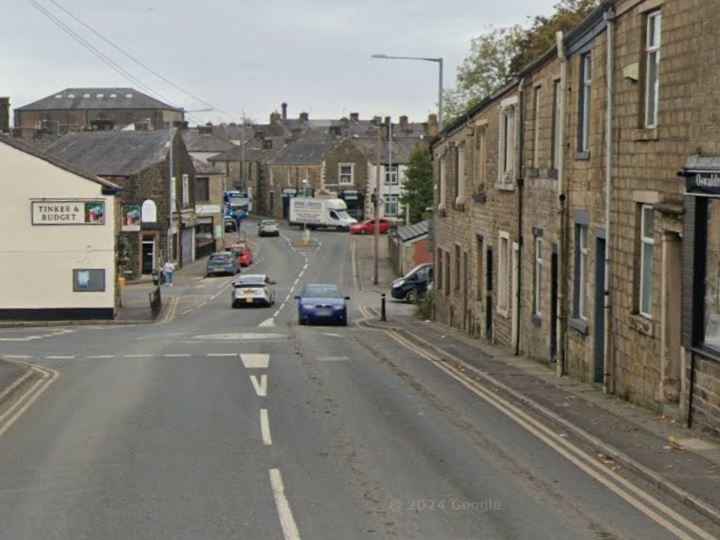
10. Oswaldtwistle
This town in Lancashire is a bit of a tongue-twister. Twistle means a fork in the river, where two brooks meet. The Oswald is believed to refer to King Oswald of Northumbria, who was the most powerful ruler in Britain for a time in the 7th century. | Google
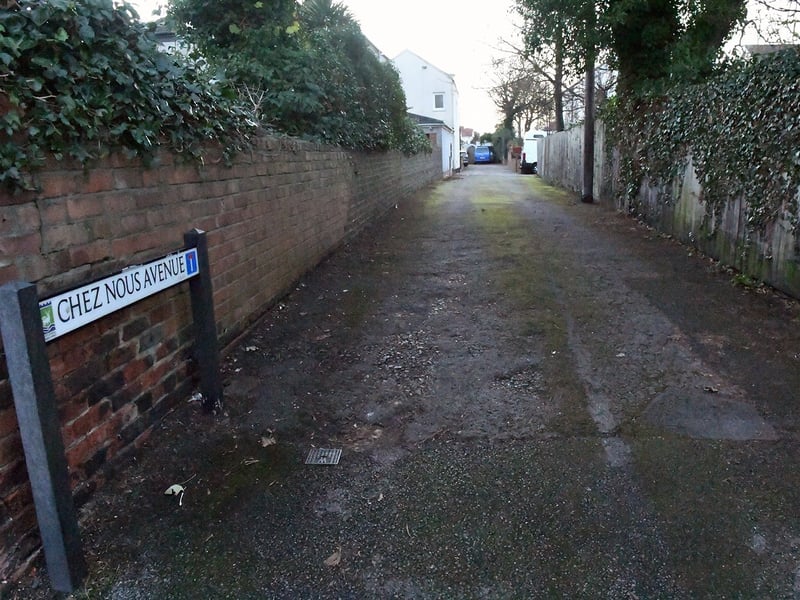
11. Foggy Furze
This historic Hartlepool neighbourhood takes its name not from the weather, as you might assume, but from the local flora. According to the local historian Frances Wilson, fog, or foggage, is the Norse word for thick, coarse grass. Furze may come from the Anglo Saxon term for a furrow, or trench, or it could be another word for gorse, the spiky bush with small yellow flowers which often grows on untended land. Foggy Furze is also home to the fantastically named Chez Nous Avenue. Chez Nous is French for 'at our home', and the street apparently takes its name from the old Chez Nous House, which used to stand there. | National World Photo: Frank Reid
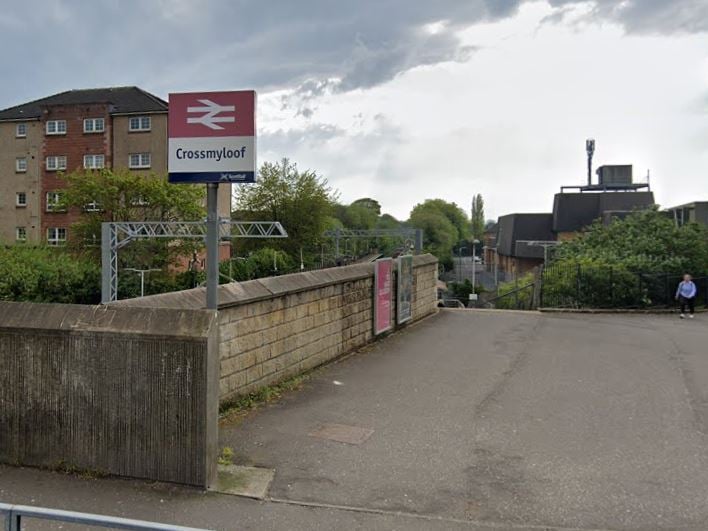
12. Crossmyloof
Legend has it that this area on the south side of Glasgow has Mary, Queen of Scots to thank for its fantastic name. She was supposedly travelling to the site of the Battle of Langside when a fortune teller offered to tell the queen her fate if she would 'cross her loof (palm) with silver'. | Google