
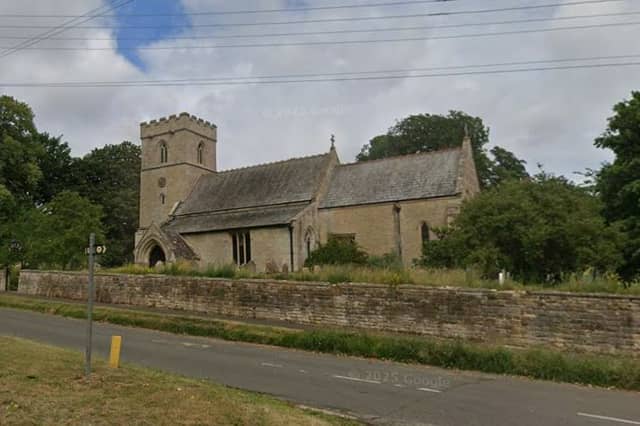


Many of the most bizarre titles for the country’s towns, villages, hamlets and streets offer a fascinating insight into the history of that area.
In some cases, the origins are fairly clear, with the roots often found in Old English words or the names of the region’s wealthiest and most powerful families of yesteryear.
In other instances, the derivation is somewhat muddier, with several competing theories, from the poetic to the more prosaic.
Some of the local legends behind these place names certainly make fantastic stories, even if they’re not the most historically accurate.
This photo gallery takes you on a whistle-stop tour around the UK, stopping off at some of the places with the funniest and oddest names, and attempting to get to the bottom of how they came to be called what they are.
They include one place with two names, depending upon which direction you approach from; another named after an apocryphal encounter between Mary, Queen of Scots, and a fortune teller; and a third referring to the area’s disreputable past.
Some of the names are so brilliant that those places, including one of the UK’s shortest streets, have become tourist destinations in their own right.
Have you visited any of these places, and what is your favourite place name? If you enjoyed this article, you might like this look at some of the UK’s ugliest buildings which have been reduced to rubble.
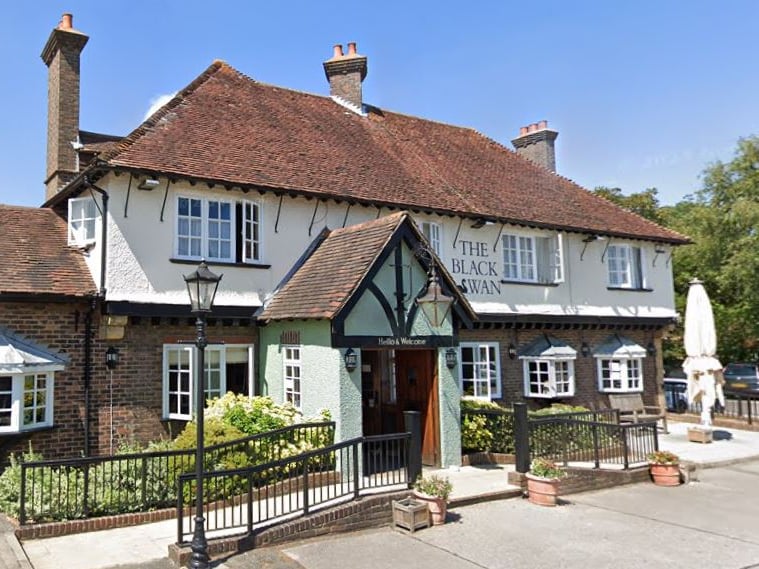
5. Pease Pottage
This small village near Crawley, Sussex, takes its moniker from the traditional English dish of the same name, a thick soup made using peas. Legend has it that this dish was fed to prisoners passing through the village, though this is believed to be a myth as their route would rarely have taken them that way regularly. A more likely source of the unusual name is that the muddy ground in the area resembled a thick soup and was thus named after the meal. | Google
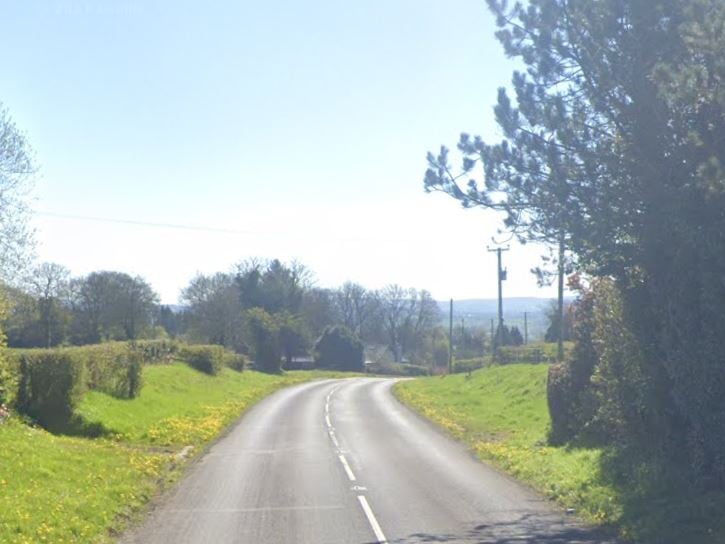
6. Hurtletoot
This small townland near Antrim in Northern Ireland is believed to take its name from the word Hurkletoot, meaning 'hunched ridge'. According to local legend, however, it comes from the story of an old woman who stopped off for a meal at a farmhouse on the way to the workhouse. She was offered a bed for the night but declined, saying she would just 'hurtle it oot'. | Google
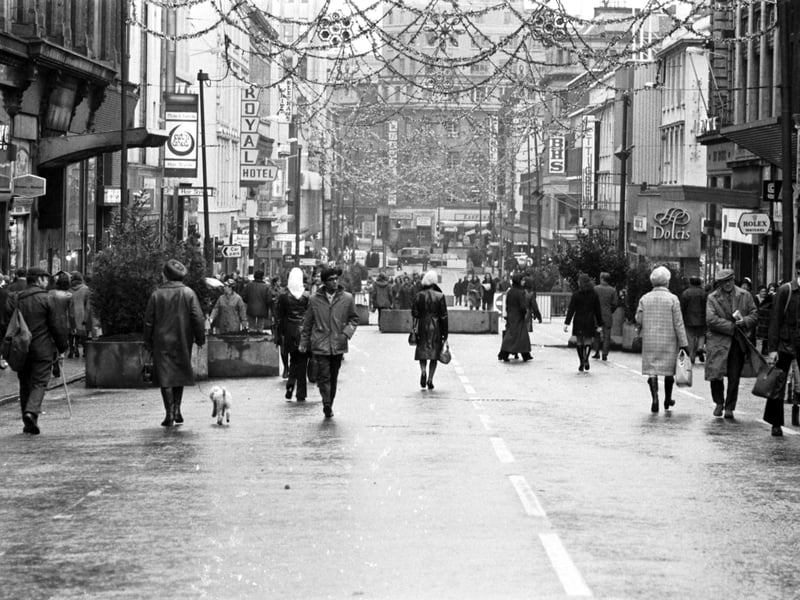
7. Sauchiehall Street
This famous Glasgow street conjures up all sorts of images, but the origins of its name are more prosaic than you might think. It is a combination of two Old Scots words, together meaning 'willow meadow' - referring to the marshy land found there before the site was developed. | TSPL Photo: Alan Milligan
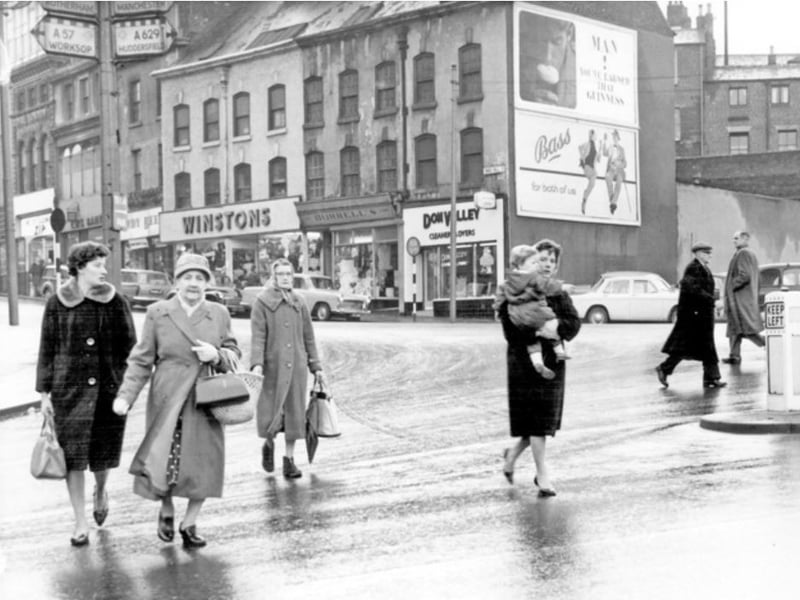
8. Snig Hill
Sheffield is a city famously built upon seven hills, and this intriguingly-named street in the city centre probably owes its moniker to its steep gradient. It is believed the name comes from the old practice of 'snigging' a load up a hill - bringing it up a bit at a time, or giving it some kind of additional help, with a pole under the rear wheels, or with a secondary horse which was known as a snig horse. | Picture Sheffield/Sheffield Newspapers Photo: Picture Sheffield/Sheffield Newspapers