
Flood resilience in practice - managing risk on the River Ouse
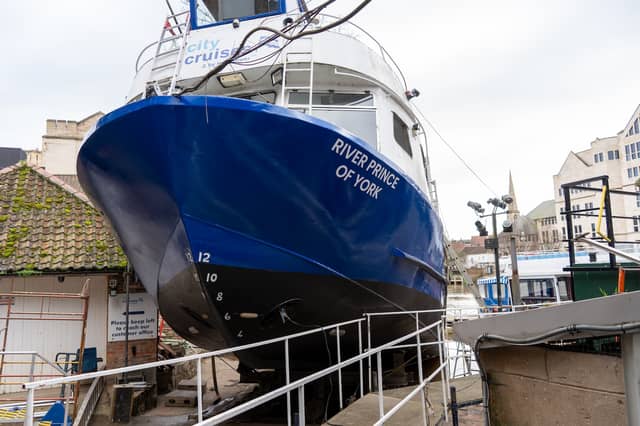

When the River Ouse rises, boats cannot pass beneath York’s bridges and riverside landings become inaccessible.
Yet one York river cruise firm is continuing to grow its business despite increasing disruption caused by flooding and climate change.
City Cruises York offers a range of sight-seeing boat trips on the River Ouse as well as party and corporate cruises, self-drive boat activities, seasonal experiences and a River Bus which connects the city centre with campsites and tourist accommodation downstream.
Flooding presents practical challenges. When river levels are too high, boats cannot sail as they struggle to get under bridges, landings are inaccessible to the public and the ability to carry out maintenance is also affected.
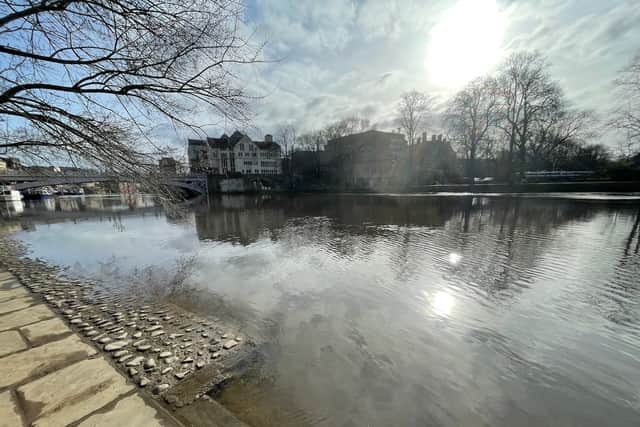
Rainfall miles upstream not only affects immediate downstream communities, but can also affect water levels in York, creating knock-on effects for businesses along the river.
What happens on moorland far beyond the city can determine whether boats sail in York, underlining how upstream and downstream communities are directly connected by the river.
With trading directly linked to river conditions, the team at City Cruises York are reporting net gains in custom thanks to measures put in place to mitigate the effects of flooding, historical data and commercial partnerships with other businesses in the city.
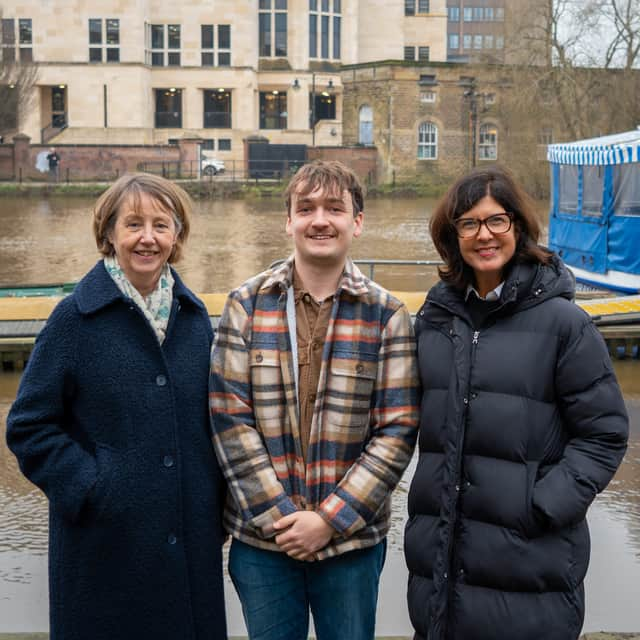
Jack Barton is the marketing manager for City Experiences. He said: “While we are naturally influenced by the weather, we use forecasting tools and long-term data to track patterns and trends.
“We monitor specific areas upstream in the Dales and that helps us understand what might happen in a few days. You can have a nice clear day in York, but snow upstream can melt and rise levels the next day.
“Whilst there is flooding, we're now able to monitor and quickly react resulting in a net improvement despite challenges.”
Instances of flooding are in the quiet season for City Cruises York, which is continuing to enjoy a buoyant summer trade, but prolonged high water can still affect maintenance schedules, staffing and forward bookings.
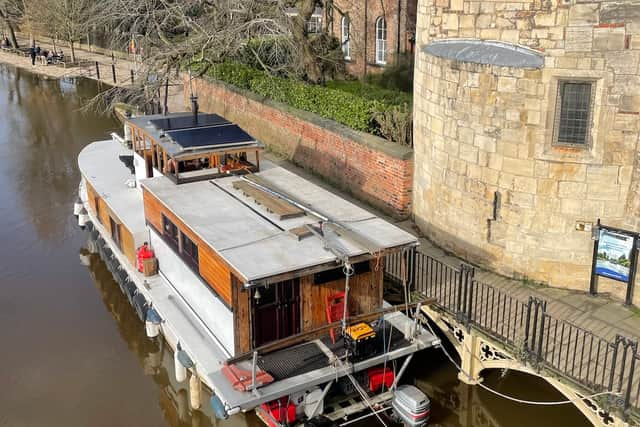
Jack explained: “Our experienced crew can adapt schedules. When the river is high, if it goes down we can deploy quickly. When sailing isn’t possible, we offer stationary events and experiences.
“In December, some of our Santa experiences ran stationary. Despite this, the hard work of our team meant customers still had a magical time.
“We also work with commercial partners to retain revenue. If customers book and we can’t sail, they have the option to go on a different cruise at a later date or a bus tour with Golden Tours whom we have a commercial agreement with.
“We are building partnerships locally and nationally to broaden awareness and support the business.”
As businesses adapt to higher and more frequent river levels, attention is turning to how upstream land management can reduce flood risk downstream. City Cruises York has also teamed up with Ousewem this year on a new project to promote how rivers, landscapes and the city’s people are shaping a more climate-resilient future.
Ousewem is a government funded partnership exploring nature-based solutions (NbS) including natural flood management (NFM) to reduce flood risk across the wider catchment. It forms part of a broader set of measures helping to reduce the impact of flooding for communities and businesses downstream across York and North Yorkshire.
Part of that work includes the York rivers trail, planned to launch summer 2026, which invites residents and visitors to see York’s rivers through stories of nature, heritage and flood resilience. The project encourages people to see York’s rivers not only as a backdrop to city life, but as a dynamic system that connects upland landscapes with business and communities downstream.
Jack added: “The River Ouse is York’s oldest landmark, it flowed here long before the Vikings, and high water is a natural part of its cycle. Through City Cruises work with Ousewem, we're helping visitors understand the river as a dynamic system that connects the Dales to the city centre.”
For businesses in York and communities further upstream and downstream, the future of the river will depend on how the whole catchment is understood and managed.
READ MORE: