
Hair transplant Turkey: A new era in Global hair tourism
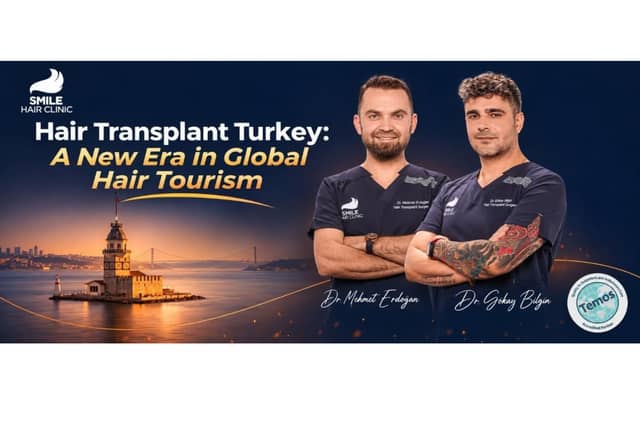

Hair restoration is no longer just a local medical procedure. Every year, people travel across borders in search of experienced doctors, modern treatments, and natural-looking results.
Among the destinations attracting international attention, Turkey has established a strong presence in the hair restoration industry. A simple search for hair transplant Turkey reveals how much interest has grown in recent years. Istanbul, in particular, has become a major destination for patients from Europe, North America, and the Middle East. But behind the growing popularity lies a bigger story about medical tourism, changing patient expectations, and the importance of choosing the right healthcare provider.
What ıs hair transplantation and how does ıt work?
Hair transplantation is a surgical procedure that moves healthy hair follicles from one part of the scalp to areas affected by hair loss. The donor area is usually located at the back or sides of the head. These follicles are often more resistant to the hormonal effects associated with male pattern baldness.
Once transplanted, the follicles can continue producing hair in their new location. Modern hair restoration focuses on creating natural hairlines rather than simply covering bald areas. The angle, direction, and distribution of each graft matter. Successful planning also considers future hair loss and the long-term appearance of the patient's hair.
Why has Istanbul become a global hair tourism destination?
Istanbul's rise in medical tourism is closely connected to its healthcare infrastructure and international accessibility. The city offers direct flights from many destinations, making treatment trips convenient for patients traveling from abroad. Specialized hair restoration clinics have also developed services designed around the needs of international visitors.
Another factor is the availability of experienced medical teams familiar with different hair types and patterns of hair loss. Patients can find clinics offering established transplantation techniques alongside coordinated travel services. Nevertheless, the growth of the industry makes careful research essential. Not every provider offers the same standards of medical care.
Modern hair transplant techniques available in Turkey
Follicular Unit Excision, commonly known as FUE, is among the most widely used hair transplantation techniques. During the procedure, individual follicular units are extracted from the donor area using specialized instruments. These grafts are then prepared for implantation into areas where hair density has decreased.
Sapphire FUE and Direct Hair Implantation, or DHI, are additional approaches used in modern restoration. Sapphire FUE involves creating recipient sites with sapphire blades. DHI uses an implantation pen to place grafts into the scalp. Each approach has specific applications, and the method should be selected after assessing the patient's hair characteristics.
These methods can all produce natural-looking results. The technology itself does not guarantee success. Medical planning, donor management, and careful graft placement remain essential regardless of the technique selected.
What makes a hair transplant look natural?
A natural hairline rarely forms a perfectly straight line. Small irregularities, gradual changes in density, and the direction of individual hairs create a believable appearance. Surgeons must consider facial proportions, age, existing hair growth, and the possibility of further thinning when designing a new hairline.
The donor area requires equal attention. Removing too many follicles can leave visible thinning and limit future treatment options. A carefully planned procedure aims to balance the desired density with the available donor supply. Sometimes a conservative hairline creates a better long-term result than an aggressive approach.
Smile hair clinic: A doctor-founded clinic in Istanbul
Established in 2018 by Dr. Mehmet Erdoğan and Dr. Gökay Bilgin, Smile Hair Clinic is an Istanbul-based medical facility specializing in hair transplantation. The clinic offers treatments including Sapphire FUE and DHI, with particular attention to personalized hairline design. Its approach combines medical assessment, surgical planning, and postoperative care.
Dr. Mehmet Erdoğan graduated from Yeditepe University Faculty of Medicine and also studied Healthcare Services Management at Anadolu University. His professional background includes healthcare management, international patient services, and hair restoration. At Smile Hair Clinic, his work focuses on donor area assessment, surgical planning, and natural hairline design.
Dr. Gökay Bilgin graduated from Istanbul University Cerrahpaşa Faculty of Medicine. He has worked in medical aesthetics and hair transplantation for many years. As a co-founder and managing director, he contributes to the clinic's medical planning and patient care. Smile Hair Clinic also provides international patient coordination, accommodation assistance, airport transfers, and postoperative follow-up.
How ınternational patients prepare for hair transplantation
The journey usually begins well before the flight to Istanbul. Patients often submit photographs showing their current hairline, crown, and donor area. These images help the medical team make an initial assessment. However, a final treatment plan requires an appropriate medical evaluation, including the cause and progression of hair loss.
Patients should also discuss their medical history, current medications, and previous hair treatments. Understanding the procedure beforehand makes the experience easier to manage. Travel arrangements should allow enough time for consultation, surgery, and the first postoperative examination without creating unnecessary pressure around the return journey.
Important steps before traveling include:
● Reviewing the clinic's medical credentials and treatment approach.
● Discussing realistic expectations with the doctor.
● Confirming the services included in the treatment package.
● Preparing relevant medical records and medication information.
● Understanding postoperative restrictions and follow-up arrangements.
What happens during a hair transplant procedure?
On the day of treatment, the medical team examines the scalp and confirms the planned hairline. Local anesthesia is administered before follicular extraction begins. The grafts are collected, checked, and prepared for placement. Depending on the selected technique, the recipient sites are created before implantation or during the placement process.
A hair transplant commonly takes several hours, depending on the treatment area and number of grafts required. After the procedure, patients receive instructions about washing, sleeping, and protecting the scalp. These early precautions are especially important because freshly transplanted grafts remain delicate during the initial healing period.
Hair transplant recovery and expected results
Recovery begins immediately after surgery. Mild swelling, redness, and small scabs are common during the first days. The scalp gradually heals, although some sensitivity may remain. Patients are generally advised to avoid rubbing the grafts, strenuous exercise, and activities that could damage the treated areas during early recovery.
Several weeks later, the transplanted hair shafts often shed temporarily. This stage can cause concern, but it is a familiar part of the recovery process. New growth commonly starts around the third or fourth month. Hair density and texture then improve gradually, with final results often taking twelve to eighteen months.
Recovery periods, and typical changes are:
· First two weeks – Early healing, redenss and scab formation
· Week 2-8 – Temporary shedding of transplanted hairs
· Months 3-4 – Early new hair growth
· Months 6-9 – Increasing coverage and density
· Months 12 – 18 – continued maturation of the result
The timeline varies from one patient to another. Hair characteristics, healing response, and the size of the treated area can influence the pace of visible improvement.
Hair transplant Turkey prices: What affects treatment costs?
When researching hair transplant Turkey prices, patients often notice considerable differences between clinics. Treatment costs depend on several factors, including the surgical technique, the extent of hair loss, medical involvement, and additional services. The price of a package does not necessarily reflect the quality of the procedure.
Many Istanbul clinics offer treatment packages that include accommodation, airport transfers, consultations, and postoperative support. Smile Hair Clinic provides different package options for international patients. Comparing the medical services included in each offer is more useful than choosing based on price alone. Clear information about responsibilities and follow-up care is particularly important.
How to compare transplant clinics in Turkey
Searching for the best hair transplant clinic in Turkey often leads patients to before-and-after photographs, reviews, and promotional websites. These resources can provide useful information, but they should not replace medical research. The qualifications of the doctor and the responsibilities of the surgical team deserve particular attention.
A trustworthy clinic should explain who performs each stage of the procedure, how complications are handled, and what happens after patients return home. The International Society of Hair Restoration Surgery emphasizes the importance of qualified medical professionals in hair restoration surgery. Patients should also be cautious of unrealistic promises or guaranteed outcomes.
The ımportance of long-term hair restoration planning
Hair transplantation is not a cure for every form of hair loss. Although transplanted follicles can continue growing for many years, untreated hair may still become thinner over time. This is why a long-term strategy matters, particularly for younger patients whose hair loss pattern is still developing.
Modern hair tourism increasingly involves more than a single surgical appointment. Follow-up communication, growth monitoring, and continued scalp care can help patients understand their progress. A thoughtful treatment plan considers not only how the hair looks after one year, but also how it may appear several years later.
Frequently Asked Questions
Why do international patients choose Istanbul for hair transplants?
Istanbul offers specialized hair restoration clinics, international flight connections, and organized treatment services. Patients are also attracted by the availability of FUE and DHI procedures.
Is a hair transplant in Turkey permanent?
Successfully transplanted follicles can produce hair for many years. However, existing hair outside the transplanted areas may continue to thin due to hereditary hair loss.
How long should patients stay in Istanbul?
Many treatment visits last several days, allowing time for consultation, surgery, and an initial checkup. The appropriate travel schedule should follow medical guidance.
When can patients return to work after surgery?
People with desk-based jobs may return within one to two weeks. Physically demanding work can require a longer recovery period.
What determines hair transplant Turkey prices?
Treatment costs depend on the technique, surgical requirements, medical services, and package inclusions. A personalized assessment helps clarify the expected treatment plan.
Can women undergo hair transplantation in Turkey?
Yes. Women with suitable donor hair and specific forms of hair loss may be candidates. A medical assessment is necessary to identify the cause of thinning and determine whether surgery is appropriate.
Disclaimer: Always consult your GP or NHS consultant before embarking on any private medical or cosmetic treatments. Ensure you have adequate health and travel insurance to cover treatment abroad and check the UK Foreign, Commonwealth & Development Office (FCDO) and the British Association of Aesthetic Plastic Surgeons (BAAPS) for the latest advice The NHS also provides advice on considering cosmetic surgery abroad via the NHS website.