
Why anaerobic digestion plants are a growing opportunity for farmers and the next step in renewable energy
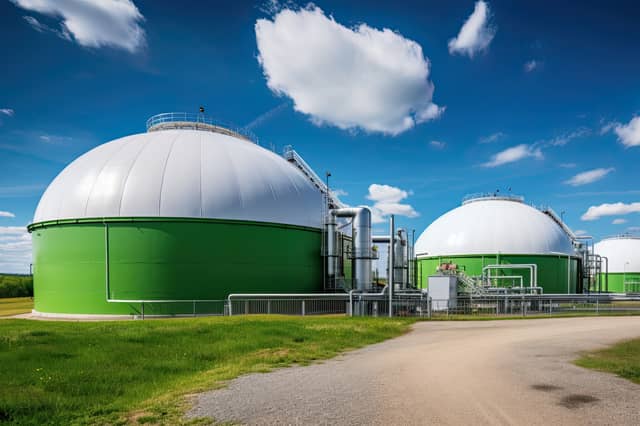

As the UK continues its journey toward reaching net zero by 2050, within the agricultural sector one opportunity gaining momentum is anaerobic digestion (AD), says Wilkin Chapman Rollits Partner Katie Wright.
For farms able to accommodate it, anaerobic digestion presents a great opportunity to produce their own renewable energy, reduce emissions and significantly cut costs.
While building an AD plant can be expensive, many farming businesses report substantial long-term cost savings.

What is anaerobic digestion?
Anaerobic digestion is the process of breaking down organic materials – such as food waste, slurry, manure and crop residues – inside a controlled digester. As the materials decompose, two valuable outputs are produced: Biogas and digestate.
Biogas can be used to generate renewable heat, electricity, gas and even transport fuel. Digestate, meanwhile, is a nutrient-rich material that can be spread on farmland as a natural fertiliser, helping to cut costs and reduce reliance on manufactured fertilisers and those derived from fossil fuels.
For many farms, the financial benefits extend even further. Some have sold excess electricity produced by their AD plant to energy companies, creating extra income for themselves and contributing more renewable energy to the grid.
Over time, these savings can help offset the upfront cost of developing an AD facility as the search for reliable renewable energy sources is becoming increasingly important in the fight against climate change.
A key role in energy ambitions
Agriculture is already extremely important to the UK’s renewable energy ambitions. According to the National Farmers’ Union (NFU), farmers own or host around 70 per cent of the UK’s solar-generation capacity, demonstrating the key role agriculture plays in the country’s goal of reaching net zero.
The NFU has set an ambition of 1,000 anaerobic digesters operating across the UK. As of 2025, around 500 AD plants were in use on farms, which shows clear potential for further growth. Increasing the number of AD plants could therefore be the next step in producing even more renewable energy through farming.
Help and advice
At Wilkin Chapman Rollits, our specialist team has extensive experience advising on the sale, acquisition and development of anaerobic digestion facilities. If you would like advice or support with an anaerobic digestion project, please get in touch with me at [email protected].
For more details on our specialist agricultural law services, please visit our website.