
Strength in numbers: Why Yorkshire's over-50s are changing what fitness looks like

Walk into a leisure centre in Wakefield, Harrogate or Hull on a Tuesday morning and the picture is not quite what it was a decade ago.
The treadmills are busy, certainly. But so are the squat racks, the kettlebell corner and the resistance machines — and a good number of the people using them are well past 55.
It reflects something happening nationally. Sport England's most recent Active Lives Adult Survey, covering November 2024 to November 2025, found just over six in ten adults in England now meet the Chief Medical Officers' activity guidelines — around 30.9 million people, an increase of 859,000 on the previous twelve months. Much of that growth has come from older adults, with a notable rise in the number of people aged 55 and over taking part in muscle-strengthening activity.
Yorkshire has its own version of the story. The county's walking groups, parkrun fields and community rugby clubs have long done the heavy lifting for local participation. What has changed is the addition of structured strength work: church-hall circuits in the Dales market towns, "strong and steady" balance classes run through local authority wellbeing schemes, and a wave of small independent gyms in Leeds, Sheffield and York catering to people who have no interest in competing with anyone.
Why strength moved to the front of the queue
The UK Chief Medical Officers recommend that adults do muscle-strengthening activity on at least two days a week, alongside 150 minutes of moderate activity. For years that first half of the guidance was the one everybody quietly ignored. Awareness has caught up — helped along by physiotherapists, falls-prevention programmes and a general shift in how people talk about ageing.
The practical version is unglamorous. Two sessions a week. Bodyweight squats, step-ups on the bottom stair, carrying the shopping in two hands rather than one. Resistance bands cost less than a takeaway and live in a kitchen drawer.

Where nutrition fits in
More training tends to prompt more questions about food, and this is where things get noisy. Supplement aisles are crowded with proprietary blends, and it is often difficult to tell what is actually in the tub.
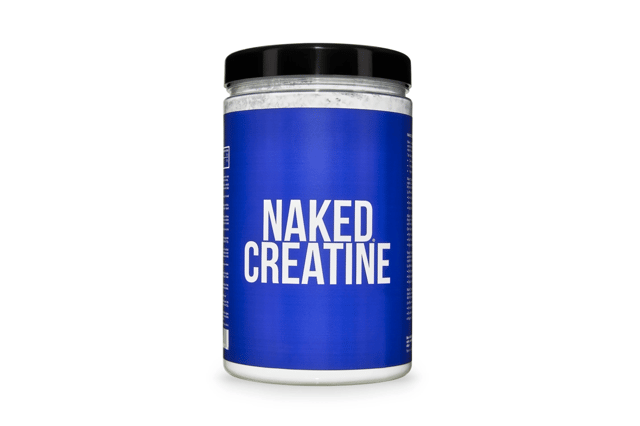
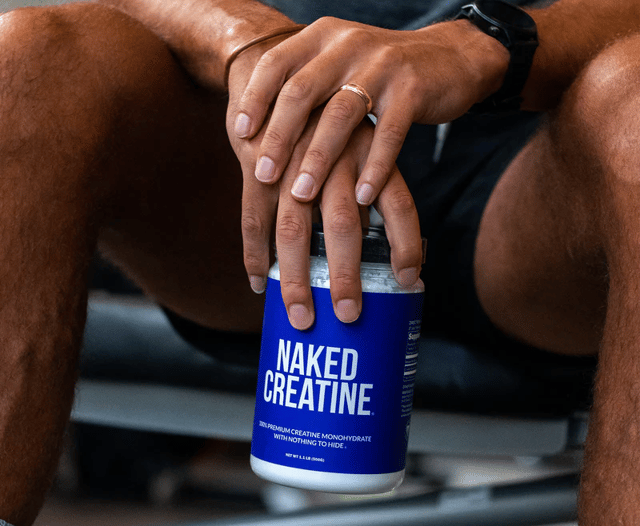
That opacity is part of why single-ingredient products have gained ground. Brands built around minimal formulations — Naked Nutrition among them — publish short ingredient lists rather than long ones, on the basis that a customer should be able to read the label and understand all of it. Their 500g creatine monohydrate powder, for instance, contains one ingredient and no flavourings or fillers.
Creatine itself is not new or exotic. It is a compound the body produces naturally, mostly in the liver and kidneys, and it also occurs in the everyday diet — red meat and oily fish are the main dietary sources. Creatine monohydrate is one of the most extensively studied forms of creatine, with hundreds of published trials behind it, which is precisely why it draws so much discussion.
Anyone considering a supplement should talk to their GP or a registered dietitian first, particularly if they take regular medication or have an existing condition. Readers who want to read more could look at the International Society of Sports Nutrition's position stand on creatine, a peer-reviewed review published in the Journal of the International Society of Sports Nutrition.
Five things you probably didn't know
· It's older than the Tour de France. Creatine was identified in 1832 by the French chemist Michel Eugène Chevreul, who extracted it from meat broth.
· The name is literal. It comes from kreas, the Greek word for flesh.
· Herring outranks steak. Gram for gram, herring is among the richest natural food sources — ahead of beef.
· Vegetarians start lower. Because the main dietary sources are meat and fish, people who eat neither typically have lower baseline stores.
· It isn't only a muscle thing. Most of the body’s creatine is stored in skeletal muscle, with smaller amounts in other tissues, including the brain, which is why researchers have studied it in a range of contexts beyond sports nutrition.
Four things worth doing this month
· Spread protein across the day. Most people load it into the evening meal. Breakfast is usually the weak point —eggs, Greek yoghurt or beans are straightforward ways to introduce some protein at breakfast.
· Book the session. Put two strength slots in the calendar as fixed appointments. Motivation is unreliable; diaries are not.
· Drink before you're thirsty. Thirst is a lagging indicator, particularly in colder months when people drink less without noticing.
· Start embarrassingly light. Progression beats intensity. Starting at a manageable level can make it easier to build a sustainable routine.
None of this requires a transformation, a new wardrobe or a January deadline. Yorkshire's quiet fitness shift is being driven by people who simply want to carry their own shopping at 80 — and who have worked out that the way to get there starts now.
This article is for general information only and is not medical advice. Speak to a qualified healthcare professional before making changes to your diet, supplement routine or exercise habits.