
Sheffield United's Chris Wilder on football's injury epidemic: 'We talk a lot amongst ourselves – why are we getting so many?'

Chris Wilder has called on the footballing authorities to take a close look at the demands they are putting on players as injuries mount at Bramall Lane and elsewhere.
The Sheffield United manager admitted he took a "massive risk" playing Gustavo Hamer, Tom Davies, Callum O'Hare and "three or four others" in his team's fifth game in 14 days, Saturday's 2-1 win at Watford.
The trio have played all five matches, injury-prone Davies only missing the first half against Burnley on Boxing Day, Hamer the last half-hour at Vicarage Road, and O'Hare substituted against Sunderland and Burnley after 77 and 82 minutes respectively.
But the Blades' Christmas schedule is little different to any other club in the Football League and whilst theirs might be more extreme than some, injury problems have been a factor throughout the pyramid.
The Blades’ Championship title rivals Leeds United went a couple of months without either first-choice central midfielder and although Ethan Ampadu is fit again, Ilia Gruev is still not. Max Wober has only recently recovered from a knee problem picked up with Austria but now fellow defenders Pascal Struijk and Junior Firpo are struggling.
Hull City lost wingers Liam Millar and Mohamed Belloumi to season-ending cruciate ligament injuries in a matter of days.
Injuries have left Middlesbrough down to their third-choice goalkeeper, prevented Marcus Forss from starting a Championship game this season and severely hampered the likes of Jonny Howson, Luke Ayling and now Tommy Conway.
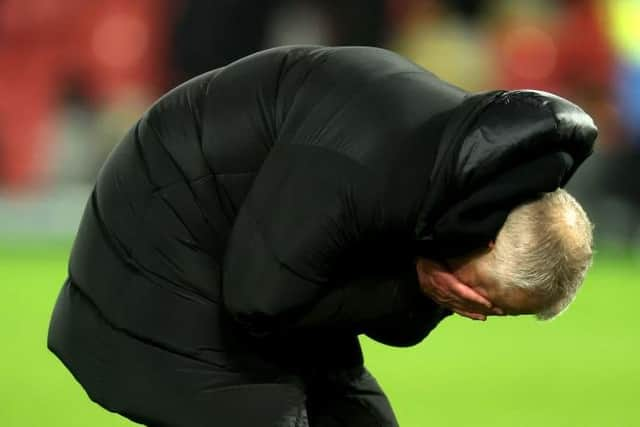

Akin Famewo's long-term injury has been compounded by regular problems for fellow Sheffield Wednesday defenders Michael Ihiekwe and Dominic Iorfa.
There have been issues across the board, from the impact Ballon d’Or winner Rodri's injury has had on Manchester City's hopes of retaining the Premier League, to Harrogate Town's chances of staying in League Two being hit by three months out for captain Josh Falkingham and George Thomson's season-long struggle with his body.
Whatever former ridiculous schedules players might have got through in the past when games were played at a less intense pace, it all suggests the current generation are being pushed too hard.
It is something Wilder thinks those in charge need to give serious consideration to.
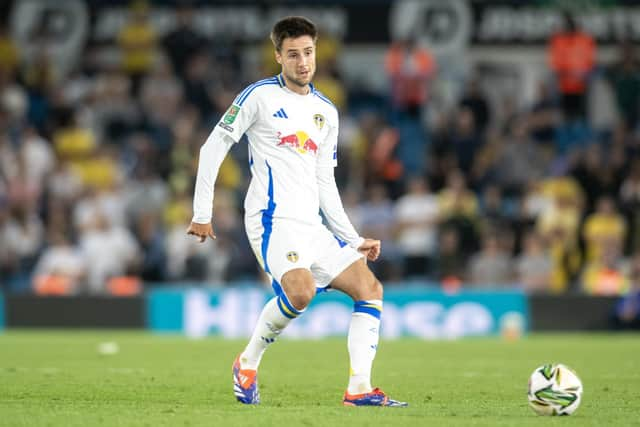
"The acceleration of the game, the speed, the athleticism, the physicality of the game, it's something we talk a lot about amongst ourselves – why are we (getting so many injuries)?" he says.
"You always look at what your lead-up to it is like, what your load is like, in terms of the work you put into the players.
"We don't like soft tissue injuries. I think we have a decent record in terms of soft tissue injuries but we're trying to cut them down. There's some injuries you can't do anything about – Souttar, Arblaster, (youngster Sai) Sachdev, Shackleton.
"There's a couple through strength in depth and squad size where the rotation is a little bit more relevant in three-game weeks but it's a relentless schedule and the travelling in it, up to Sunderland on New Year's Day, back down the next day, work on Friday, down to London (to face Watford), back – there's not a lot of breathing time, not a lot of coaching time as well."

Football League teams play 46 matches a season, plus cup games. For those in Leagues One and Two that includes the Football League Trophy, where the finalists will play eight matches. At Championship level many are internationals, representing their countries in major tournament qualifiers, Nations League games and friendlies.
At the top of European football clubs must cope with competitions which now have eight-match group stages and a play-off round before the knockouts, plus other money-driven jamborees like this summer's nonsensical Club World Cup.
On top of the physical demands, it makes it very difficult for managers to work with their players on the training ground.
"There's certain things we're desperate to work on down on the training pitch but we can't because of the schedule," says Wilder.
"Even the international breaks, when you've got international players they're all over so they don't get that opportunity to rest and recover.
"But we all understood the competition at the start of the season and this is why the better squads, the stronger squads, give themselves the best opportunity of success."
For those at the sharp end, getting their head down and not making excuses is the best policy, but anyone in charge who cares about providing the best entertainment for supporters paying ever-higher prices on the terraces and the sofa owe them and players a long, hard think.