
Wayne Rooney's suicide admission 'massive' for footballers everywhere, says Bradford City manager

"Massive."
That was the word Michael Duff used to describe Wayne Rooney's contribution to football this week.
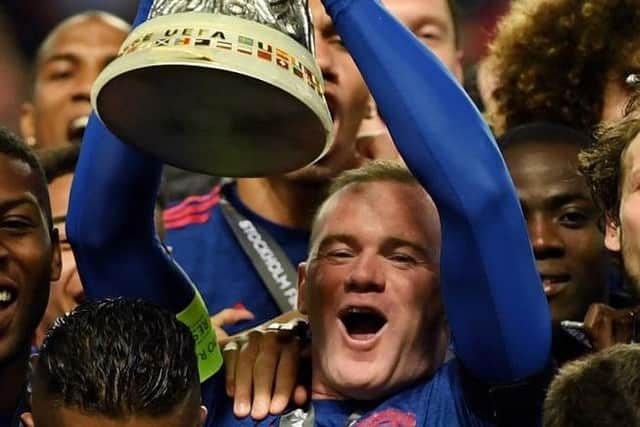
Because one of the great players of his generation, England's most capped outfielder and top goalscorer until Harry Kane took both records, has spoken about considering taking his own life when at the peak of career with Manchester United.
Some seem to think that the obscene amounts players of Rooney's profile get paid makes them immune to psychological problems, insulated against off-field issues and fair game for any criticism going. That argument even seems to extend down the pyramid to those not earning small fortunes, but still lucky enough to be earning a living in a game many of us would have dearly loved to be paid to play.
Even when 48-year-old Duff was a player, in the Premier League with Burnley and at international level with Northern Ireland, that lack of empathy towards players dealing with personal or even physical issues was rife in the game as well as outside of it.
But now Rooney has gone public, Duff can tell the players now under his charge, at League One Bradford City, they should not suffer in shamed silence.
“I think we just see a superstar earning £300,000 a week or whatever he's earning and you think it must be all right for him,” says former Barnsley and Huddersfield Town manager Duff.
“I can assure you none of our lads are earning £300,000 a week but they've all got their own lives as well.

“There's a lot more exposure now, with social media and things – they're all on it.
“That's why I say it is a tough life.
“You have to give up a lot and it's easy to fall into (depression) particularly when you are injured, a long-term one, and you see all your mates going out onto the training pitch. It's all you want to do.
“So we have to help players and educate them.”
Duff thinks Rooney's admission – albeit long after he retired – can help to educate those within the game.
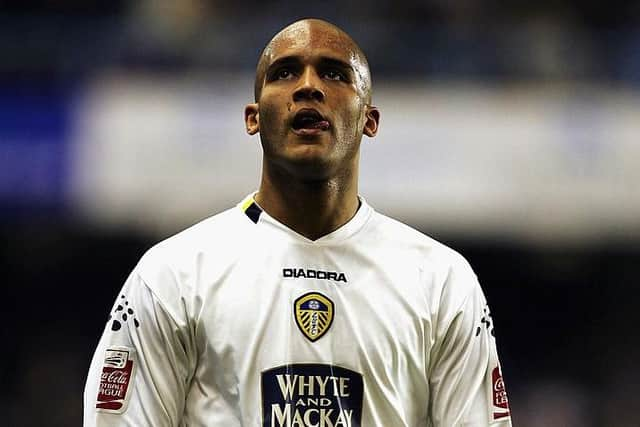
“I played with Clarke Carlisle (at Burnley), who tried to kill himself,” recalls Duff. “You look back and you think I probably should have spotted something there.
“But it was all banter or 'The state of him,' that sort of thing.
“It was probably a cry for help but you didn't know at the time because you weren't educated.
“So for someone at that level to come out and say that about the height of his fame playing at the top, top, top level...
“That's sort of almost like the release is the football pitch. They just want to play football because that's where they're at the happiest.
“So I think it's really good what he's done. I think it's important with the education.”
And it is not just the approach to mental issues where Duff sees a vast improvement when it comes to the well-being of footballers.
“In the old days, it was just 'Get on with it' – injuries and concussions, all those sort of things,” he argues.
“The manager would tell the doctor, 'He ain't coming off' and the player's like, 'I ain't coming off.'
“It's irrelevant what the player thinks any more. It's the safeguarding of the players. It is really important.”
And social media can be a release for the jealousy of others with footballers in their sights.
“Part of the job is you get a stick and abuse,” acknowledges Duff. “Sometimes it goes too far.
“Everyone's got an opinion but you're not allowed to have one back (as a footballer). They are human beings.
“I don't go on social media. I don't need to. If we win, someone will say good things, if we don't, they won't.
“But it's when it starts getting personal it's a slightly different thing.
“And there's other pressures that people don't see.
“They see putting a shirt on and playing in front of 20,000, which is amazing but there's loads of other pressures within that. Whether it's money or whether it's providing for a family or looking after an ill parent or something like that.”
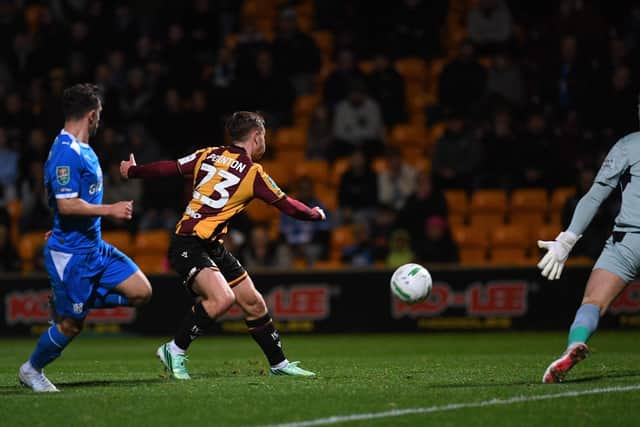
What brought Duff onto the topic of mental health in football was a first serious injury of his career for 22-year-old Bantams forward Bobby Pointon, who is not expected to play again in 2026 because of a knee problem.
Where once you would hear stories of even managerial greats refusing to even acknowledge the presence of injured players at the training ground, now football is super-focused on looking after them mentally.
“Hopefully it's not as bad as what we think,” comments Duff. “But we're in that sort of don't-know situation at the minute.
“It's his first (serious injury) so part of his education is learning what to do, how to live when you're injured.
“We need to help him and educate him to get through these periods because he just wants to play football.
“It underlines the importance of the topic.”