
'Disaster waiting to happen': 18% of at-risk animal products are avoiding checks at Dover, Defra data shows
Almost one in five at-risk shipments of animal and dairy products arriving at the Port of Dover are passing through without being checked for dangerous diseases like foot and mouth (FMD), MPs have warned.

The Environment, Food and Rural Affairs (Efra) Committee has today published new data which shows that significant numbers of meat and plant imports, which are being flagged by the digital border systems, are not then being assessed by border control.
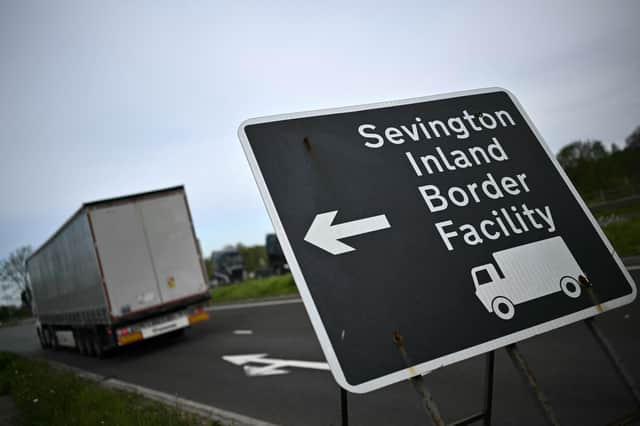
When shipments at the Port of Dover are flagged, the lorry drivers are supposed to take them to Sevington, 23 miles away, for greater checks.
However, in November last year, 18 per cent of flagged consignments of meat and dairy were just driven away for use in UK markets.
This was up from 8 per cent in August, according to figures supplied by the Department for the Environment, Food and Rural Affairs (Defra).
It comes amid heightened fears of animal diseases entering the UK and causing huge damage to the farming sector.
A recent FMD outbreak in Germany cost its economy 1bn euros, while African swine fever is rife in eastern European countries like Romania.

Chair Alistair Carmichael said: “This new evidence from Defra paints a picture of a dysfunctional system.
“Unchecked meat and plant products carrying potentially devastating diseases are being let in through the front door.
“The risks to our livestock and plants are grave and very real. Both the horticultural and livestock sectors see this as a disaster waiting to happen.
“The Government has put all its eggs in the Sevington basket and it needs to make this system work at least until a new system can be agreed with the EU.”
Mr Carmichael explained that so-called “drive-bys” fell when officials chased up lorry drivers as part of a pilot scheme, however, so far, this has not been expanded to meat and dairy products.

“How terribly short sighted that will look if another outbreak of FMD arises from this farce.”
At last week’s National Farmers’ Union conference, vice president Rachel Hallos, a beef and sheep farmer from Ripponden, told The Yorkshire Post that we need to be “stopping more stuff coming in at the border”.
“We need to ensure that we can recognise and deal with disease when it does enter the country,” she said.
“We need to heighten people’s awareness of the products that they can bring into the country and what damage they can cause.”
Currently travellers are banned from bringing in personal supplies of many meat and dairy products due to the biosecurity risk.
The Government has pledged to build a new £1m biosecurity centre in Weybridge, which recently gained planning consent.
“This will be a world class science centre,” Environment Secretary Emma Reynolds has said, “protecting farmers and food producers that will have the capability and capacity to meet future animal disease threats.
“We've already funded over 11,000 vet-led reviews for cattle, sheep and pig keepers, and the evidence is clear, early intervention works.”
A Defra spokesperson said: “Non-attendance at Sevington Border Control Post is a breach of regulation and we expect the relevant authorities to follow up on any breaches of this.
“Whilst available data on non-attendance shows an overall downwards trend, we recognise the concerns Efra have raised and are urgently working to address these, including on data availability.”