
More than 20 rural schools close in North Yorkshire over last decade, figures show
More than 20 rural schools have closed over the last eight years in North Yorkshire, figures have shown, amid warnings that this is setting off a “spiral of terminal decline” for the countryside.

The Country Land and Business Association has conducted a number of Freedom of Information requests, which show that tens of thousands of pubs, shops, bus routes and essential services have closed in rural communities across the UK in the last year.
In North Yorkshire, the CLA revealed that there have been six school closures since 2023, with a further 16, according to the Diocese of York, in the six years before that.
These include in Drax, Horton in Ribblesdale, Rathmell, Ingleby Arncliffe, Swainby, Ings, Burnt Yates, Arkengarthdale, Clapham, Whitby, Kell Bank, Weaverthorpe, Baldersby St James, Harrogate, Hovingham and Skelton.
In 2019, the Arkengarthdale Church of England Primary School closed after educating children in the Upper Dales for 360 years.
Arkengarthdale Parish Council chair Stephen Stubbs told The Yorkshire Post: “It was devastating because I went to school there, my father went there and my kids went there.
“Shortly before it closed it celebrated 350 years of the school being in Arkengarthdale. It was quite an achievement.”
He explained that when it closed, the primary school had just five pupils.
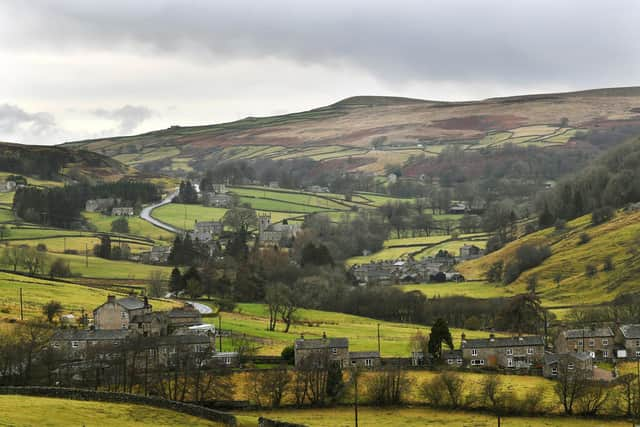

“I've lived in Arkengarthdale all my life,” he added.
“In my time, we've lost two village shops, the Post Office, the village institute, we've lost the chapel and … the school.
"We haven't got the younger generation - they are moving away. Unless we try to reverse this process we are going to see more schools close, and these communities are going to change dramatically."
North Yorkshire Council leader Coun Carl Les said the local authority has seen “an increasing number of requests coming forward” from governors to close schools.
“Inevitably, what it comes down to is numbers,” he explained.
“If numbers fall for whatever reason then it makes the school, not only financially unviable but also academically unviable. You don’t want classes of widely mixed age groups.”
Coun Les put this down to an “unintended consequence of parental choice” and also fewer numbers of local people due to the rise in second homes.
North Yorkshire Council has introduced double council tax for second homes in the region.
“We are not against second home owners, but we are against the impact of second homes on some communities,” Coun Les explained.
“Prices are kept high so that generates pressure on young families who literally cannot afford to live in the communities where they have grown up.
“If you don’t have young families in communities then you don’t have the need for local schools.”
York and North Yorkshire Mayor David Skaith said the key to tackling the decline of rural communities was transport.
“Ever since I came into this post, I’ve been saying that transport underpins everything,” he explained.
“If we don’t link transport into housing and into growing our economy, then it will all fall away and some of our communities will just die.”
Harriet Ranson, CLA director north, added: “The closure of essential services such as schools, shops, pubs and post offices, sets off a spiral of terminal decline.
“The lack of affordable housing, transport links and digital connectivity makes the countryside a less viable place to live, work and businesses to operate in.”
“By ignoring the potential of the rural economy, successive governments have left our communities vulnerable as outdated policies have damaged the financial resilience of individuals, farming families and rural businesses.”