
'Ecological disaster: Conservationists sound warning at multiple threats to British oak tree
British oaks are facing multiple threats which could spell “disaster” for the UK’s most important tree and the wider natural world, experts have warned.

The head of the Action Oak partnership of charities, landowners, research organisations and government bodies, says the UK must pay attention to the “warning signs” about the state of oaks, as the organisation releases a new report on the situation.
Action Oak’s director Annabel Narayanan said the emblematic trees were facing a litany of pressures including acute oak decline which can kill a tree in three to six years and “we cannot allow what has happened with Dutch elm disease and ash dieback to happen” to oaks.
The UK’s two native oak species, sessile oaks and pedunculate oaks, support more wildlife than any other native tree in the UK, playing host to more than 2,300 species, including 326 species that depend entirely on them for their survival.
The country’s 170 million oak trees also store carbon, provide an important hardwood resource and are a key natural icon in British culture.
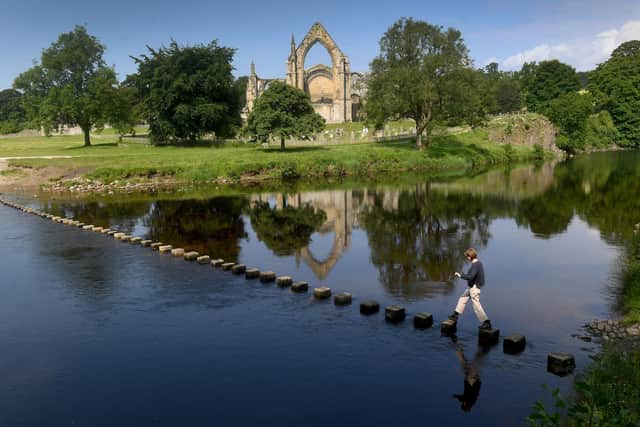
Yorkshire has a number of oak woodlands including Strid Wood at Bolton Abbey, Little Beck Wood near Whitby and in Duncombe Park, in York.

The new report from Action Oak warns the country’s oaks are facing pressures from climate change bringing higher temperatures and extremes such as drought, diseases and pests including invasive and non-native species, damage from deer browsing and grey squirrels bark stripping.
Ms Narayanan said: “What we are seeing with oak is not a single threat, but a convergence of pressures acting at the same time.
“Ageing trees, failed regeneration, climate stress, pests and disease. Each one on its own might be manageable, but together they are pushing the UK’s most important tree towards a tipping point, this is a slow-burn ecological disaster.”
Some woodlands are also under threat from infrastructure, housing and business developments, with large areas of oak woodlands set to be destroyed by the HS2 rail route.
The most prominent threat is acute oak decline, an interaction of several native bacteria and a native beetle, against a backdrop of environmental stress such as drought.
The condition, which can be seen with weeping lesions and cracks in the bark with dark fluid seeping out, can kill trees that would live for a thousand years in a handful of years making it a “serious condition that threatens the long term resilience” of oaks, says chief plant health officer Nicola Spence.
Conservationists want to see better protection for ancient and veteran trees – with Ms Narayanan pointing to the illegal destruction of the Sycamore Gap tree in Northumberland.