
Askrigg: History of Yorkshire Dales village that will be featured in episode of Our Great Yorkshire Life and where its name originated from

The Yorkshire Dales village of Askrigg will feature in the upcoming episode of Channel 5’s Our Great Yorkshire Life - here’s its history and where its name came from.
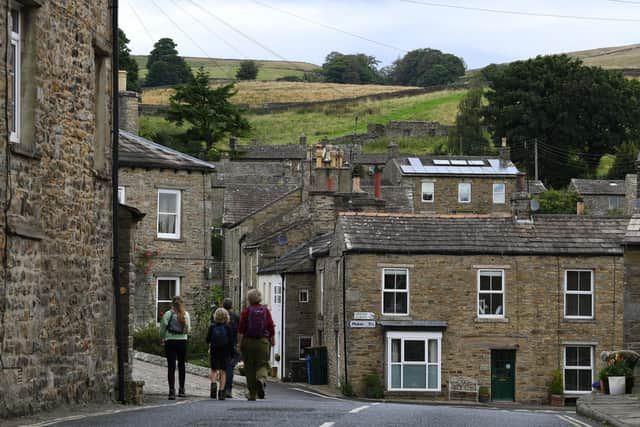
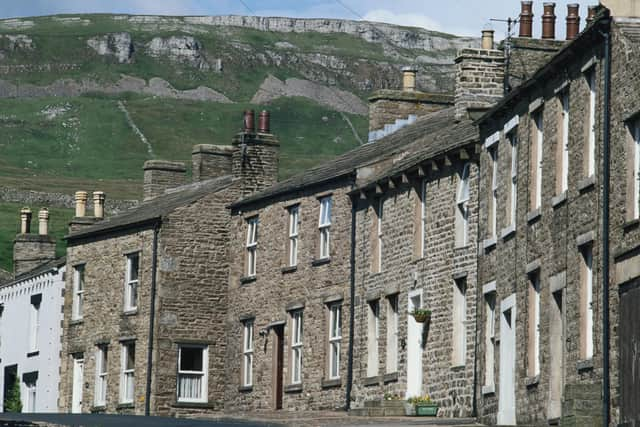
Askrigg is a small village in Wensleydale, Yorkshire Dales National Park, with just three pubs, a bakery with delicatessen, two tea rooms, a village shop and newsagent as well as a number of B&Bs.
The village has become known internationally after being featured as the fictional Darrowby in the original TV adaptation of All Creatures Great and Small which ran from 1978 to 1990.
Cringley House was used to film the exterior of Skeldale House in the series and is now a bed and breakfast.

The first episode of Our Great Yorkshire Life series three will air on Friday, September 11, 2026, at 8pm on Channel 5 and will feature a furniture maker called Tom Addison who will be crafting eight bespoke oak louvres from his rural workshop in Askrigg.
These louvres are for the bell tower of the village’s 15th century church and is part of the final phase of his project.
History of Askrigg
The village is mentioned in the Domesday Book as Ascric.
At the time of the Norman invasion, the manor was held by Arnketil and following it, the lands were owned on behalf of the Crown by Count Alan of Brittany, who granted then lordship of the manor to Gospatric, son of Arnketil.
The manor had been passed to the Fitz Hugh family by 1251 who were also lords of Ravensworth and stayed with them until the 16th century.
In the early 16th century, Sir Thomas Parr bought the manor and his son William died in 1571 when it became the property of the Crown.
In 1664 the manorial rights were leased from the Crown to the Metcalfe family.
Askrigg remained of little commercial significance throughout the 13th and 14th centuries when Wensleydale was extensively used for sheep grazing by the Cistercian monks, who saw a financial growth on the profits of the wool trade.
In the 15th and 16th centuries, secular wealth became important in the dale following the border conflicts in the north and the Dissolution of the Monasteries throughout the country.
Askrigg was granted a Charter by Elizabeth I in 1587 for the holding of a weekly market on Thursday, and of fairs in spring, summer and autumn.
Akrigg’s financial status grew in the 18th century when trade in textiles and knitting was most lucrative and the village supported many craftsmen and gained a reputation for clockmaking.
The earliest reference of Askrigg clockmakers was a Quaker named John Ogden, who moved to Askrigg in 1680 and manufactured his clocks until 1720.
There were other successful clockmakers at the time including Mark Metcalfe, Christopher Caygill and James Pratt. All three had sons who are also clockmakers.
Askrigg was the home of the Wensleydale Metcalfe family who lived at nearby Nappa Hall, where Mary, Queen of Scots was once imprisoned.
In 1751, the village became a junction of two turnpikes; the Richmond to Lancaster Turnpike, which was sent through the village.
A diversion through the then hamlet Hawes in 1795, meant that the market at Askrigg fell into decline as Hawes became the last coaching stop in Wensleydale before going over into Ribblesdale. The turnpike to Sedbergh began six years later.
The market cross was erected in 1830, while a stone pump and an iron bull ring, which dates from the 1700s, are set into the cobbles.
The pub, The Crown Inn, has kept its name since the 1850s and there has been an inn at this site since the late 18th century.
The village once had a railway station which was part of the Hawes Branch of the North Eastern Railway from its founding in 1878 to its closure in April 1954.
The Wensleydale Railway Association has plans to rebuild the railway from Northallerton to Garsdale.
While this project has been planned since 2005, the railway prioritised reaching only Castle Bolton initially from Redmire due to soaring costs.
From 1974 to 2023, the village was part of the district of Richmondshire, it is now administered by the unitary North Yorkshire Council.
Where did the name Askrigg originate from?
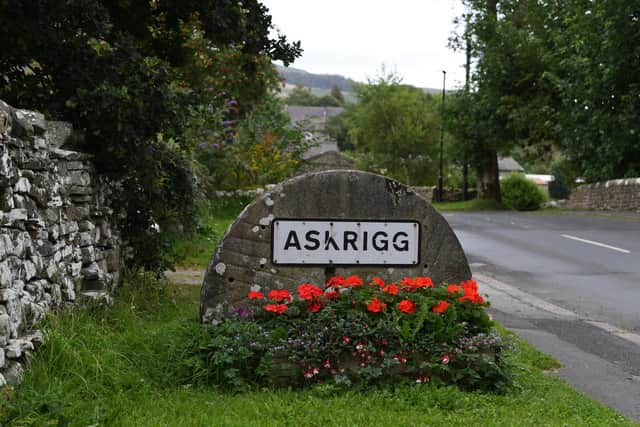
The name Askrigg is derived from the Old Norse origin, consisting of the blend of asmr (ash tree) and hryggr (ridge).
This means ‘the ridge where ash trees grew’, highlighting the existence of Viking settlers and their farming.
The oldest settlement is said to have dated back to the Iron Age.