
How a forgotten recipe book in Leeds attic led to revival of family's beer with Kirkstall Brewery

As a boy Jamie Allsopp could only dream of reviving his ancestor’s great brewing empire, famous worldwide as the pioneers of India Pale Ale (IPA).
Now, with the ‘bible’ of family history books discovered in an attic in Leeds, more than 100 recipes are within reach for the first time in generations.
With Kirkstall Brewery, it brings a new brew, Famous Original IPA. One he believes his seven-times great-grandfather, Samuel Allsopp, might have approved of.
On a pub tour in Yorkshire, he is testing it to make sure. It’s been 38 ‘pinnacle’ pubs so far, in four days this week, from Whitby to Sheffield. Best, he said, to be certain.
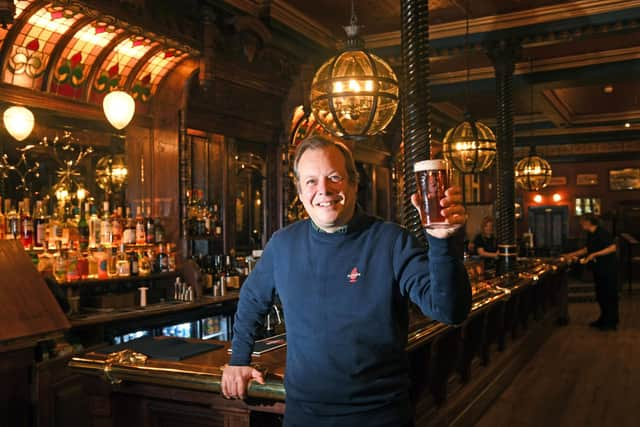

“I like to think he’d say ‘well done, that’s very nice’,” said Mr Allsopp, enjoying a pint beside the fine tiles of Leeds’ Victoria & Commercial.
But he admitted: “I have thought about it. IPA was a lifeline to him and created something that was far greater than ever imagined.
“I hope, and I believe, that this beer we have brewed, that he would have liked to drink it.”
It was back in 2018 that Jamie, stepping away from a career in banking, first set his attention to Allsopp’s as a brewery owned by his famous family since 1730.
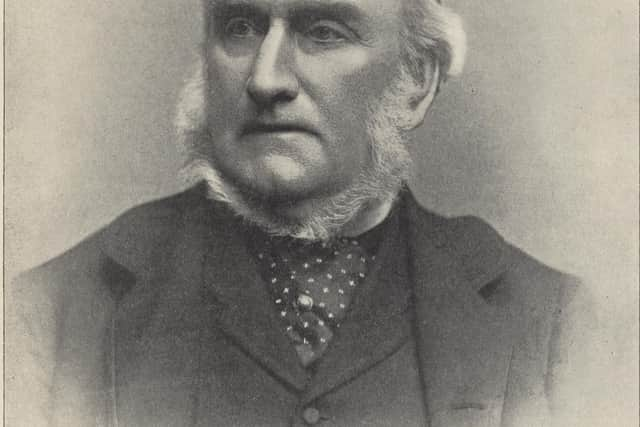
It had been on his mind a long time. As a young boy, he would often hear the story. Of a gamble at sea that was to bring great fame, glory, and fortunes.
Before a series of poor business decisions brought down his family’s empire.
“It had been on my mind since I was a young boy, hearing this wonderful story,” he said. “We lost it all. For any young lad it was utterly fascinating.
“I became obsessed with the idea of restoring the brewery. After two years and hundreds of dead ends, I got a telephone call. Suddenly everything was possible.”
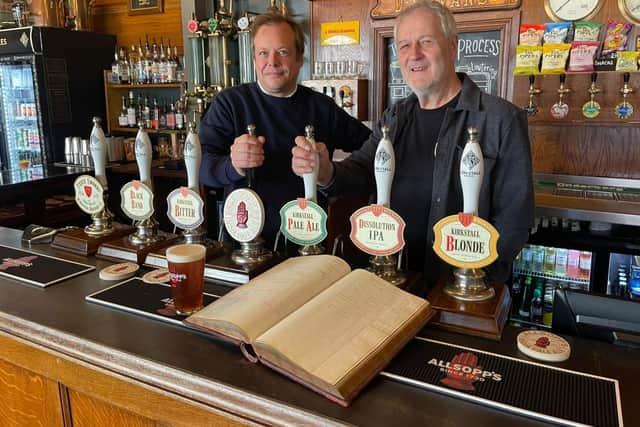
It was brewer and historian Steve Holt, of Kirkstall Brewery, on the end of the line. He’d found, in an attic in Leeds, a great red leather bound recipe book. The family ledger.
“This is the beer bible - an ultimate record,” said Mr Allsopp. “Steve had it in his attic, for 15 or 20 years, just lying there.
“It’s my family’s history. A history of a beer that shaped the brewing past.”
By the early 1820s, he explained, the lucrative trade in beer to India had been dominated by a London brewer by the name of George Hodgson.
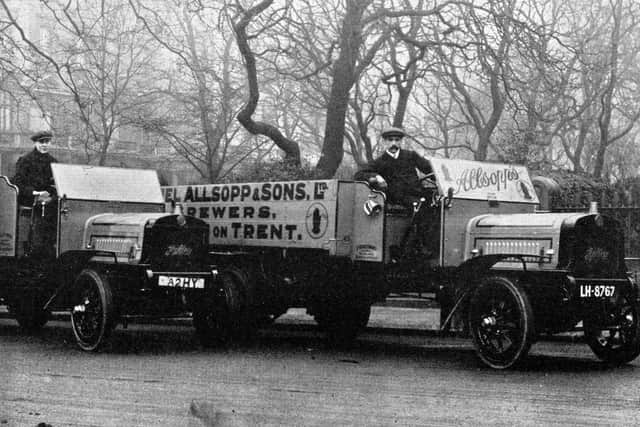
But legend has it that, as relations soured, the East India Company began looking for a new beer that could survive this long voyage.
Director Campbell Marjoribanks, turning to Samuel Allsopp of Burton-upon-Trent, handed him a bottle of Hodgson’s beer and challenged him to create something better.
Famously using a teapot to brew, the answer was a paler, higher alcohol beer, with a high hop content to withstand months at sea. It was India Pale Ale (IPA).
“He took the malt and hop to hitherto unknown levels,” said Mr Allsopp. “So many beers were ruined on that journey.
“They thought it would be a bit bitter, not very pleasant at all. After six months at sea it mellowed. It’s that balance between bitterness and hops.”
The family was to lose control of the business in the 1930s, as fortunes changed. Mr Allsopp, intent on revival, has bought the rights back from Carlsberg.
His famous cousin, television presenter Kirstie Allsopp, helps on the testing panel.
And with Leeds’ Kirkstall Brewery, the new 4.4 per cent IPA is drawn from the original recipes to a more modern taste.
It’s very “moreish”, said Mr Allsopp now, considering the dark, coppery brew. Balanced, with British malted barley and hops, resinous notes and a sweet, malty backbone.
Around 20 years ago, he reflected, everything had been binned. All the Allsopp’s brewing memorabilia, its records, were thrown in a skip as its empire faded.
Apart from a handful of things that Mr Holt had been able to rescue.
“It’s a microcosm,” he said now, with a warning as to why it all matters, and why reviving Allsopp’s is so important to him after all this time.
This is driven from the most important beer in Britain’s brewing history, he argues.
“We are losing our pubs’ heritage, it is being eroded every single day,” he said.
“I know of very few other countries that would throw away that unique heritage such as we are doing, to where pubs and breweries, right now, are at risk and are being lost.”
Allsopp’s with Kirkstall Brewery has released the new IPA this week, handpicking 69 pubs from Hull to London to start with.
They paid a visit to the North Riding Brew Pub in Scarborough this week, and the Phoenix and Slip Inn in York. Otley, then Whitby, with fish and chips. Guiseley, to The Three Swords.
One pint in each, just to test. And to see how it’s going down with pub goers.
To Mr Allsopp, the champions are the publicans keeping cask ale at the heart of their bars.
“There’s a lot in the news at the moment about cask beer and its supposed decline,” he added. “That’s not what we’re seeing.
“Good quality cask beer is never in decline, it’s very much in growth.”